
Rue de Birague, 4ème arrondissement — History & Facts
In the quiet corners of our existence, we often find the most profound truths hidden within the delicate embrace of fragility. Look closely at the intricate details of Rue de Birague. The flickering light dances upon the cobblestones, inviting your gaze through the narrow street, where the buildings stand somber and weathered. Notice how the muted palette of greens and browns evokes a sense of nostalgia, while soft brushstrokes create a gentle rhythm, mimicking the whispers of a bygone era.
The subtle play of shadow and light in the architecture reflects not just a place, but a moment in time, inviting contemplation and connection. Within this urban landscape, there is a tension between permanence and transience. The sturdy facades, etched with history, contrast sharply with the ephemeral nature of daily life that unfolds beneath them. The absence of people magnifies the solitude, suggesting an unspoken story waiting to be told.
Each crack in the wall, each glint of light, holds a narrative of longing and resilience, a fragile whisper against the backdrop of a bustling city that often overlooks such poignant subtleties. In the late 19th century, during the years when this work was crafted, Frémont immersed himself in the vibrant art scene of Paris. Working between 1895 and 1905, he focused on capturing the essence of urban life amidst the burgeoning Impressionist movement, which sought to redefine the relationship between artist and subject. This was a time of innovation, as artists began to explore the sensory experiences of the world around them, and Frémont's keen eye for the delicate interplay of light and shadow marked his unique contribution to this evolving landscape.
More Artworks by Robert Frémont
Browse all →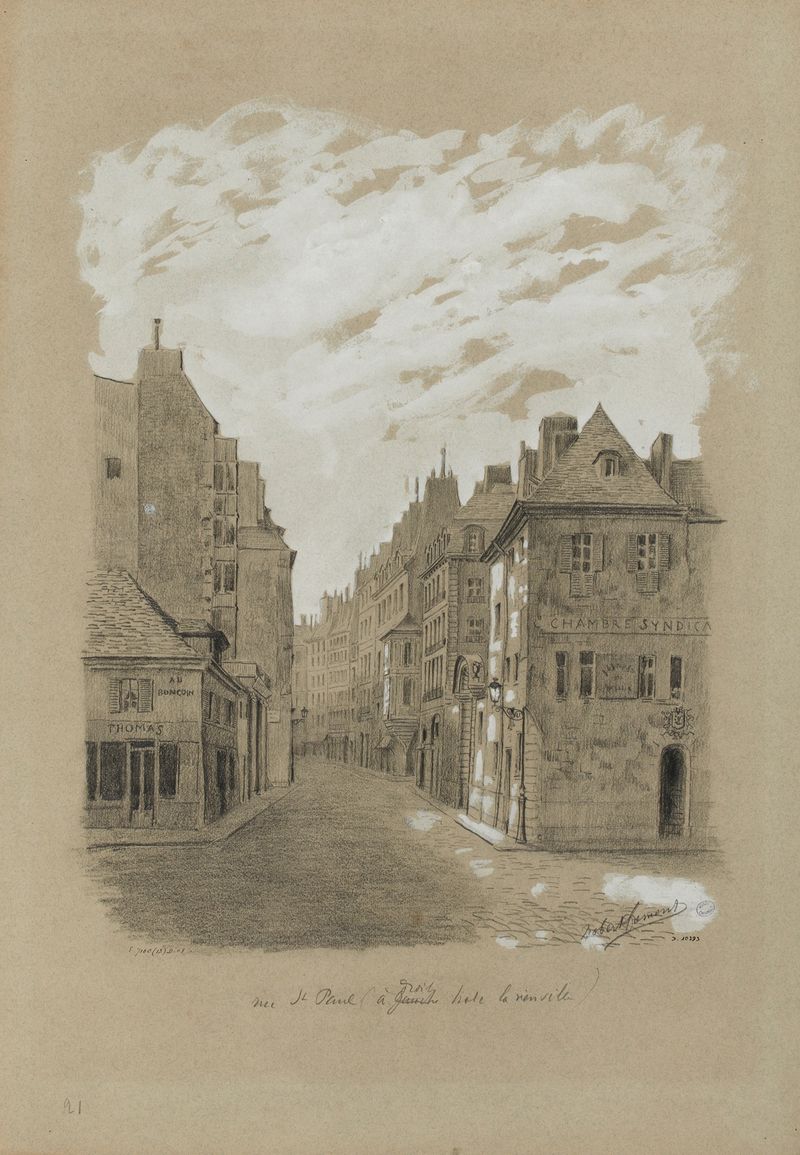
Rue Saint-Paul, à droite hôtel de la Vieuville, 4ème arrondissement
Robert Frémont
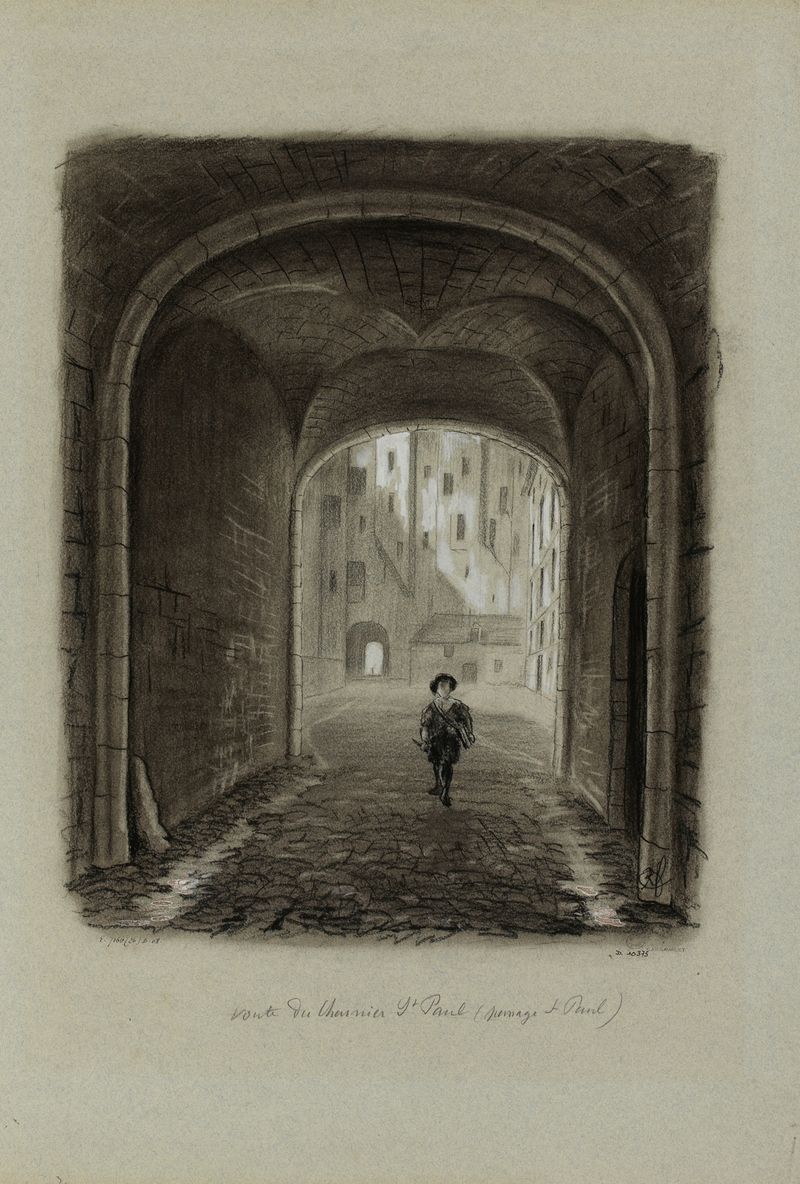
Voûte du charnier Saint-Paul, passage Saint-Paul, 4ème arrondissement
Robert Frémont
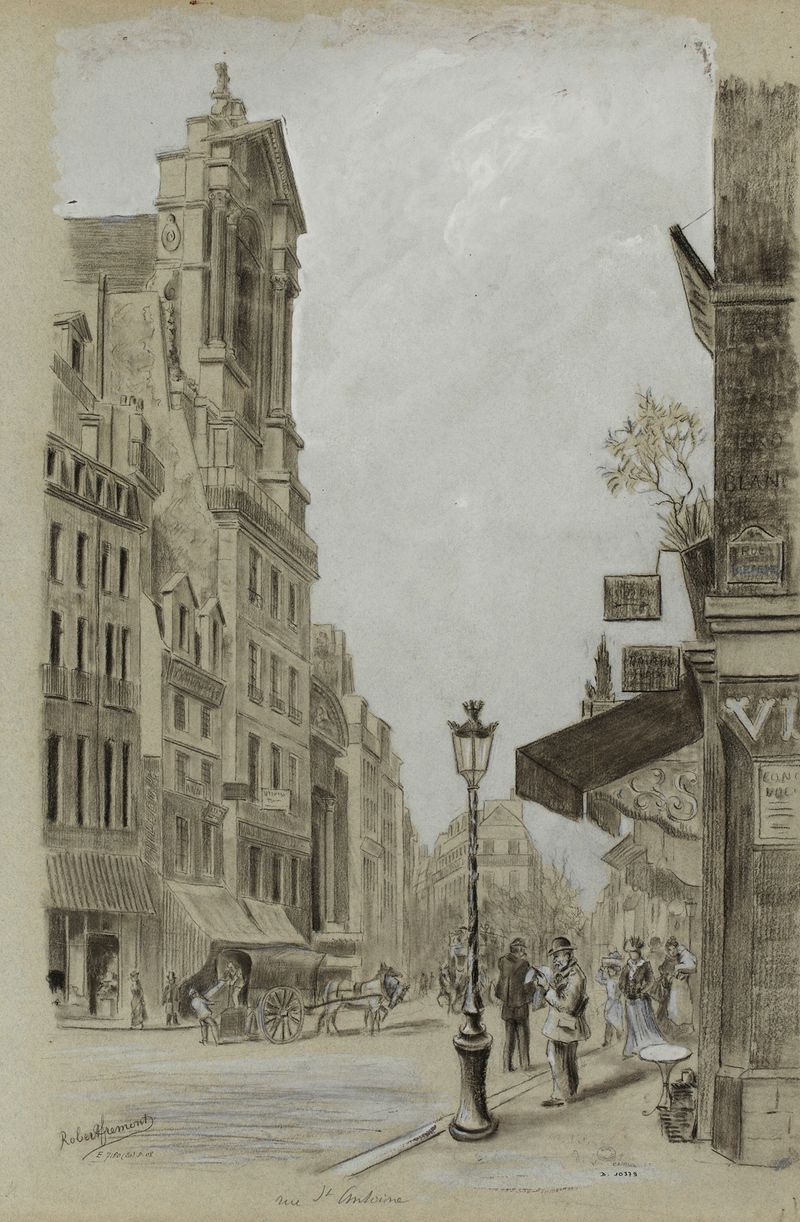
Eglise Saint-Paul-Saint-Louis, rue Saint-Antoine, 4ème arrondissement
Robert Frémont
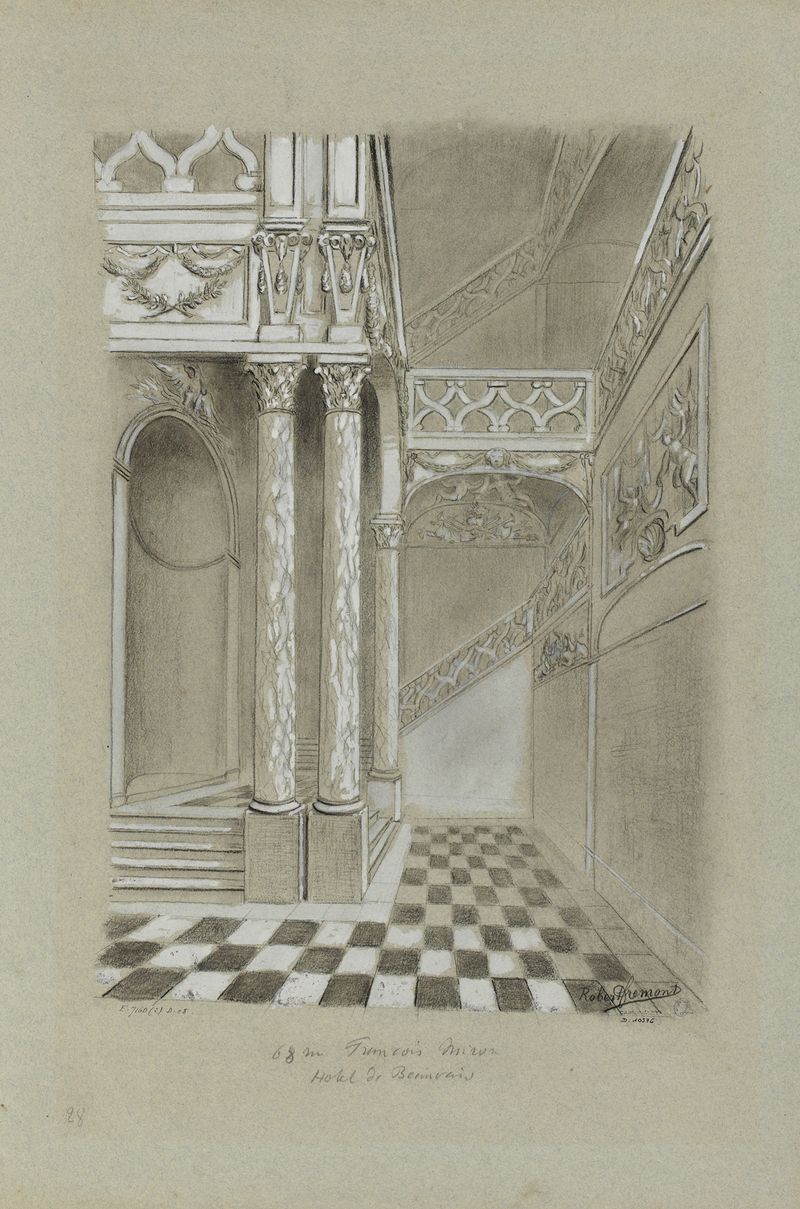
Intérieur de l’Hôtel de Beauvais 68 rue François Miron, 4ème arrondissement
Robert Frémont
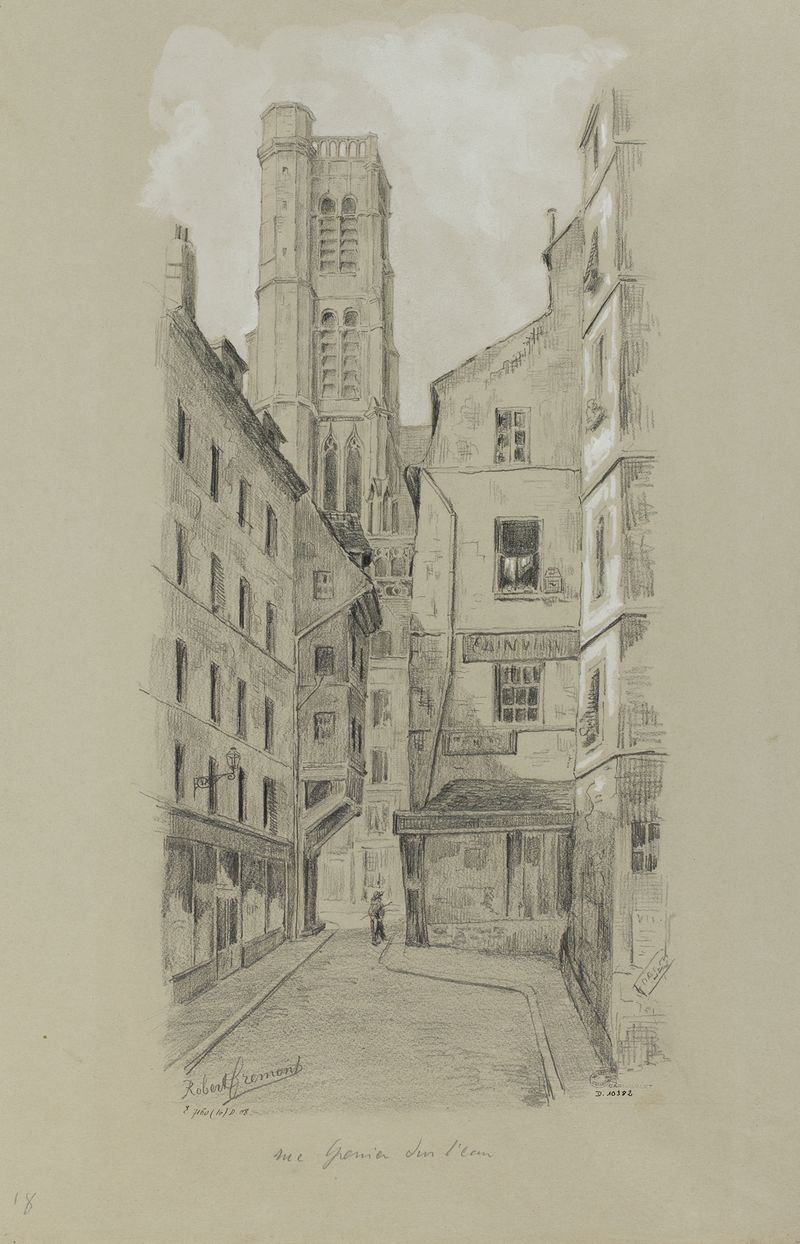
Rue du Grenier-sur-l’Eau, 4ème arrondissement
Robert Frémont
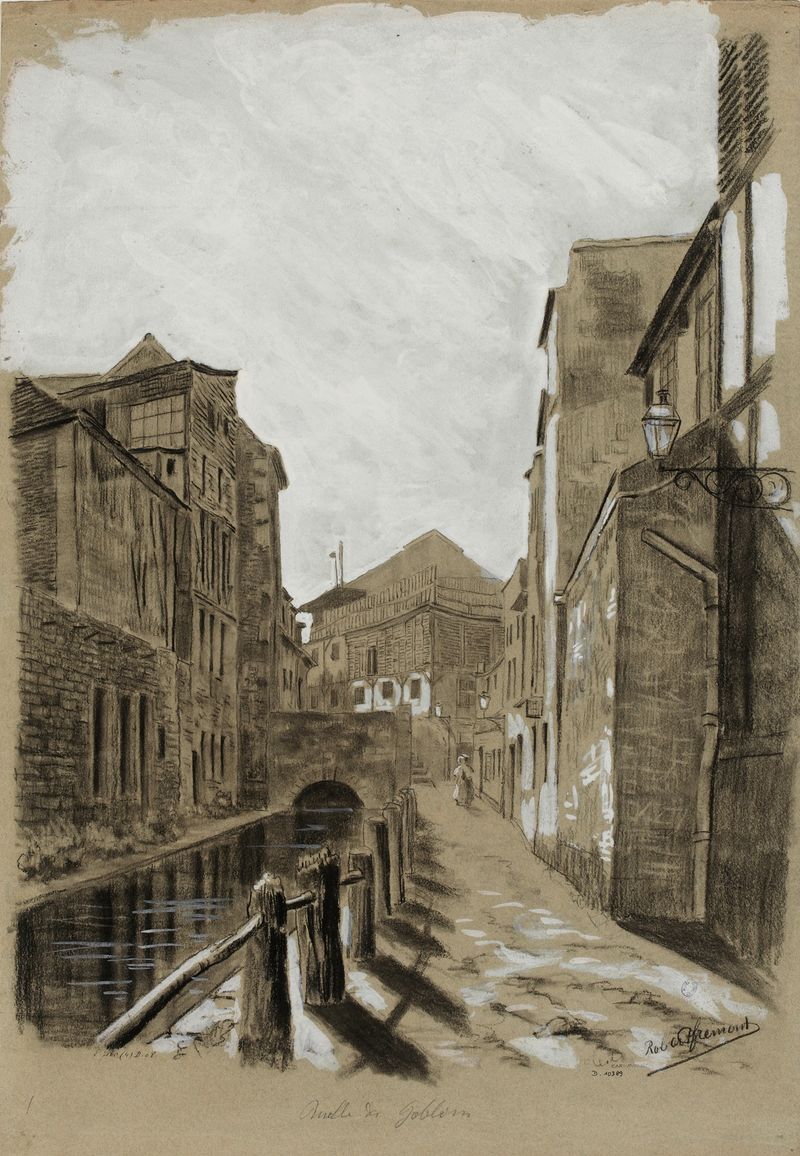
Ruelle des Gobelins (actuelle rue Berbier-du-Mets), 13ème arrondissement
Robert Frémont
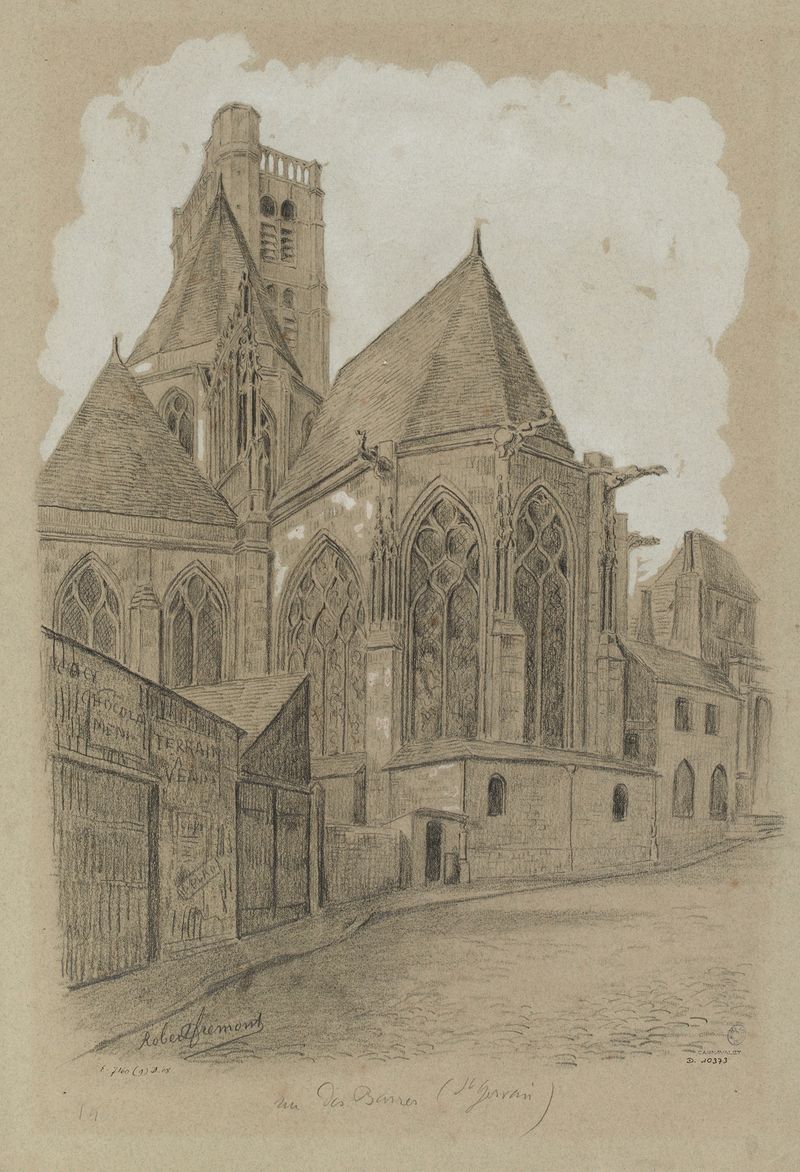
Eglise Saint-Gervais, rue des Barres, 4ème arrondissement
Robert Frémont
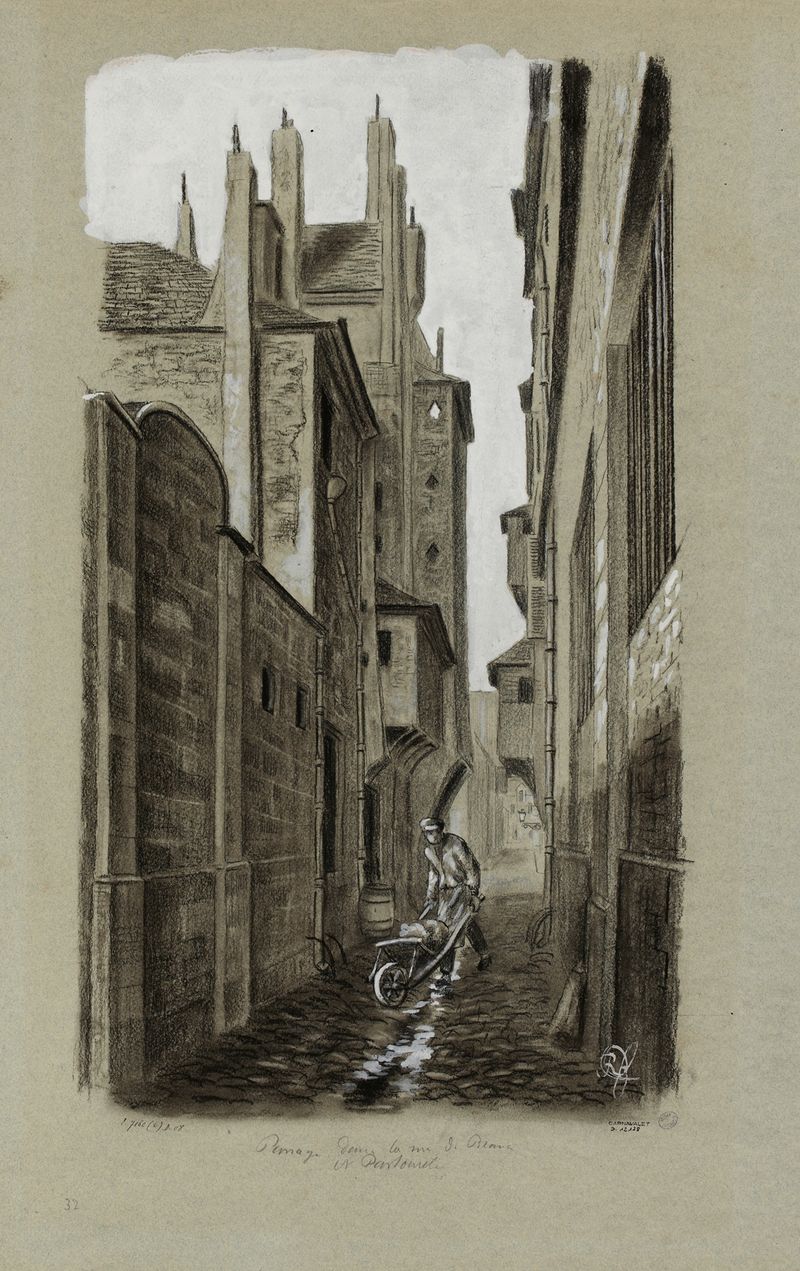
Passage, ruelle Sourlis, dans les rues de Beauce et Pastourelle, 3ème arrondissement
Robert Frémont
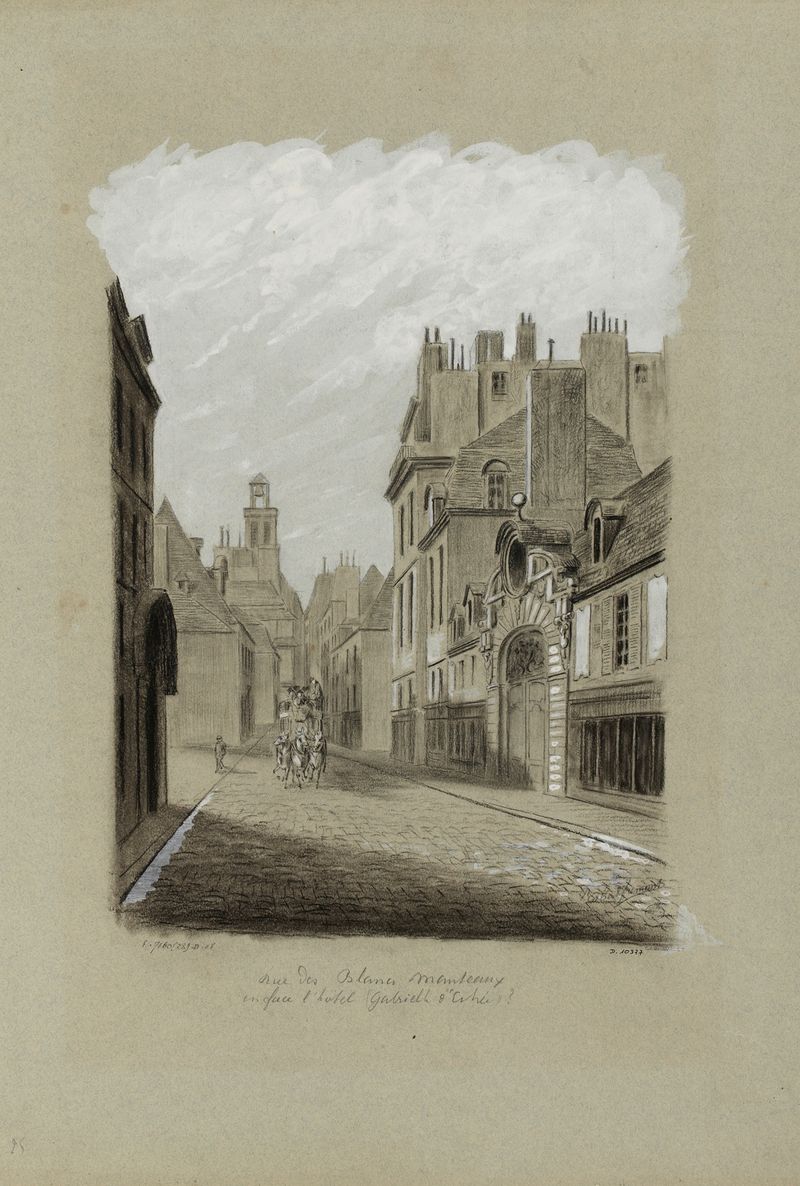
Rue des Blancs-Manteaux, 4ème arrondissement
Robert Frémont
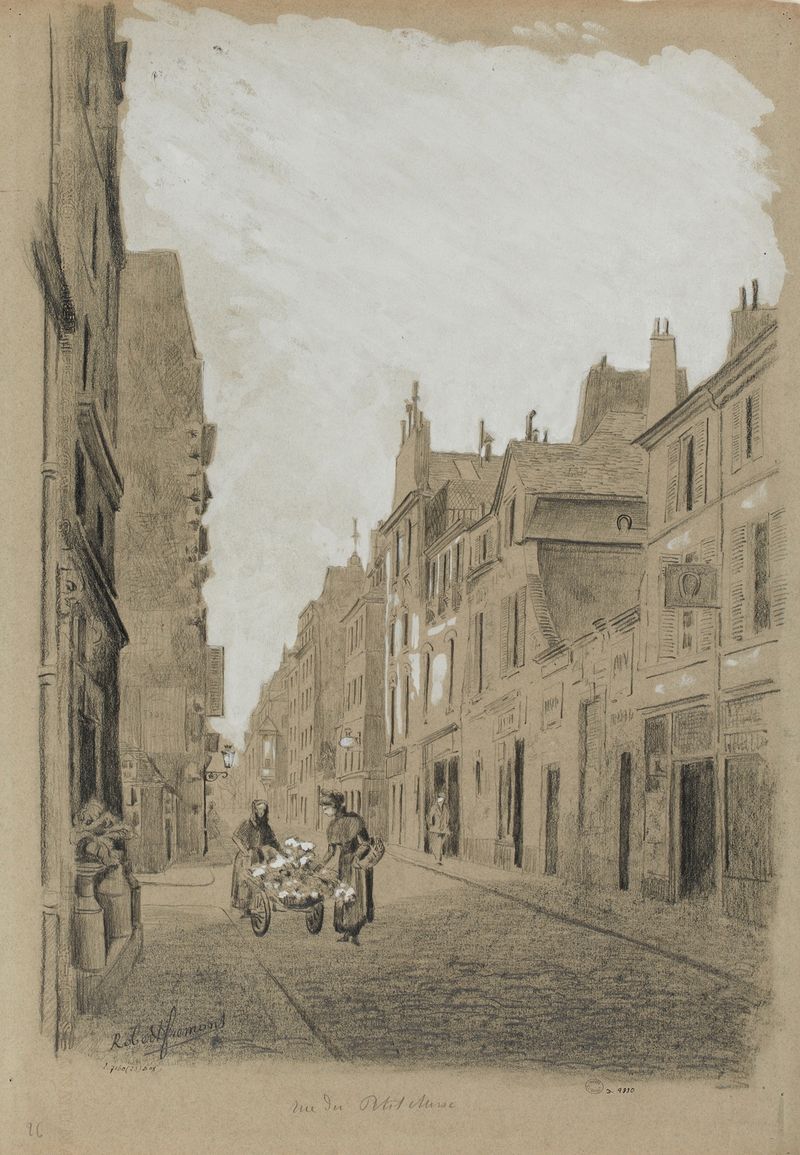
Rue du Petit-Musc, 4ème arrondissement
Robert Frémont
More Architecture Art
Browse all →
The statue of Liberty
Frédéric Auguste Bartholdi

View of Houses in Delft, Known as ‘The Little Street’
Johannes Vermeer

View of Houses in Delft, Known as ‘The Little Street’
Johannes Vermeer

The Cathedral in Rouen. The portal, Grey Weather
Claude Monet

The yellow house
Vincent van Gogh

The Church in Auvers-sur-Oise, View from the Chevet
Vincent van Gogh