
Ruelle des Gobelins (actuelle rue Berbier-du-Mets), 13ème arrondissement — History & Facts
When did color learn to lie? In a world swathed in vibrant hues, the truths we perceive can often be obscured by the very palette meant to reveal them. Focus on the interplay of light and shadow in Ruelle des Gobelins. The muted tones of the cobblestone street draw you in, while the sun filters through the trees, casting dappled patterns that dance across the scene. Notice how the staggered rooftops create a rhythm, guiding your eye deeper into the composition.
Frémont’s choice of earthy greens and ochres enriches the atmosphere, imbuing it with a sense of nostalgia that beckons the viewer to linger. Yet, beneath this picturesque facade lies a tension — the juxtaposition of tranquility against the backdrop of urban change. The quiet alley hints at a past unburdened by modernity, evoking a longing for simpler times, while the burgeoning city around it threatens to disrupt that serenity. Each detail, from the weathered bricks to the forgotten corners, speaks of stories untold, revealing an underlying revolution not just in society, but in the very essence of art and perception. Between 1895 and 1905, Frémont captured this scene during a period of significant transformation in Paris, where the echoes of the Belle Époque were giving way to the upheaval of the 20th century.
As he painted, the city was grappling with industrialization and modernization, altering the landscape and its social fabric. This work reflects not only a moment in time but also the artist's contemplation of change — both in his surroundings and within the art world itself, where traditional boundaries were being challenged daily.
More Artworks by Robert Frémont
Browse all →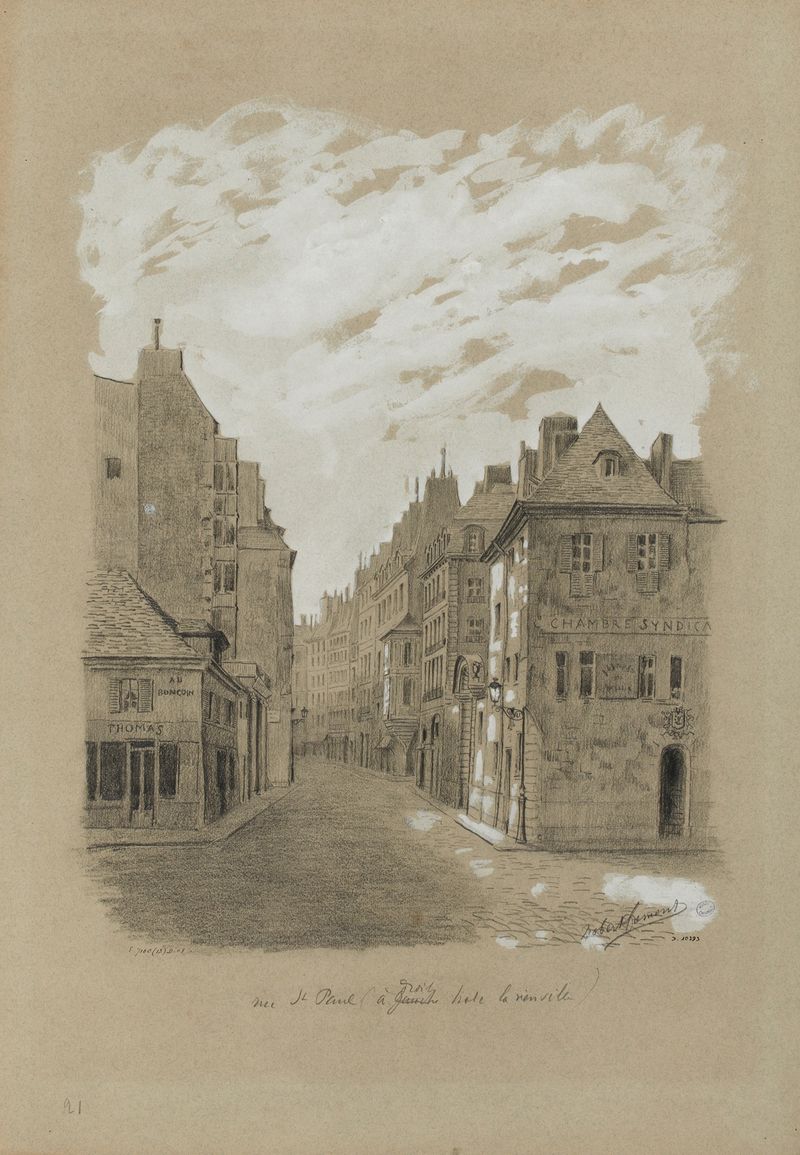
Rue Saint-Paul, à droite hôtel de la Vieuville, 4ème arrondissement
Robert Frémont
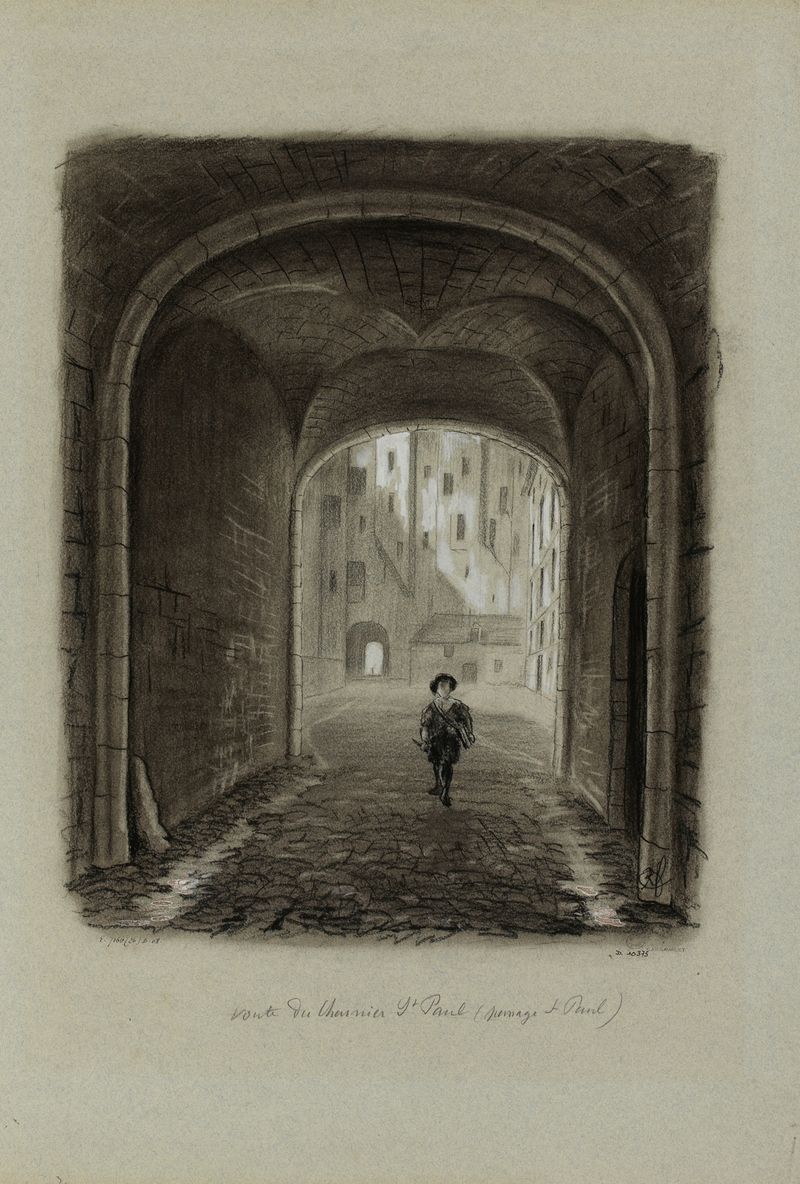
Voûte du charnier Saint-Paul, passage Saint-Paul, 4ème arrondissement
Robert Frémont
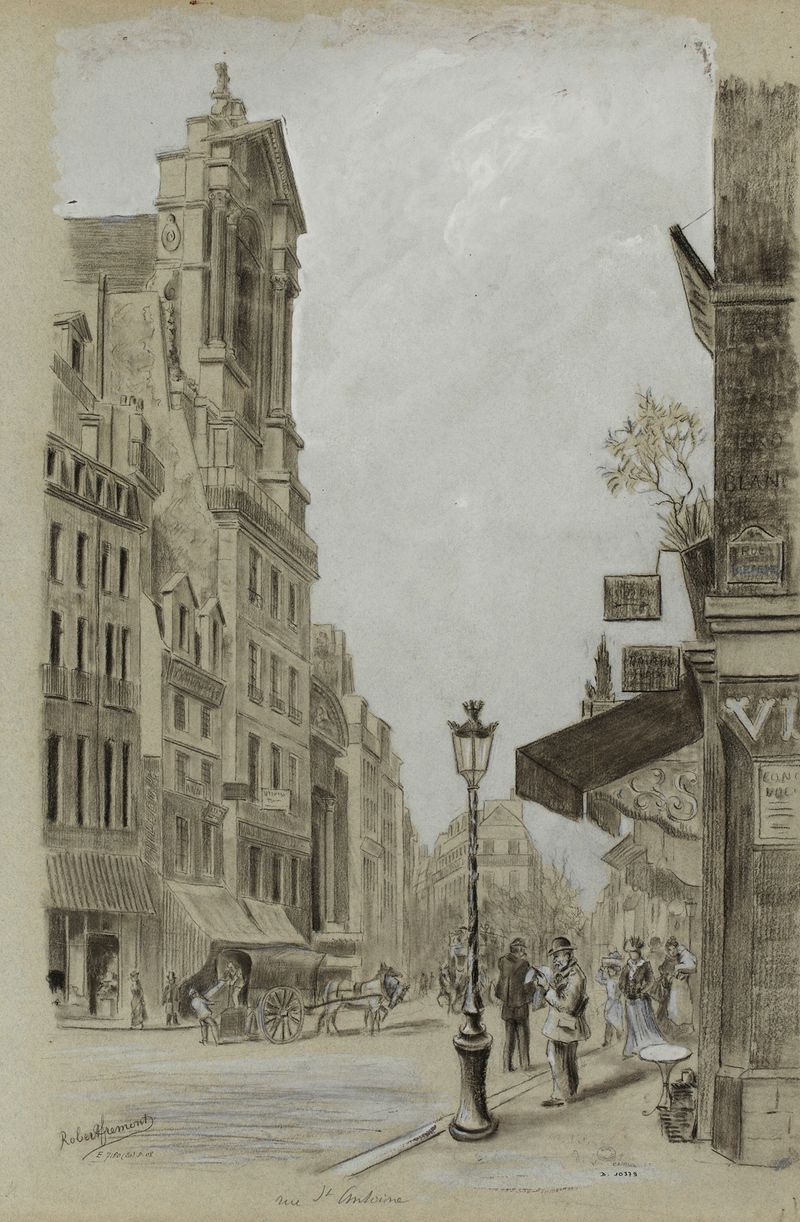
Eglise Saint-Paul-Saint-Louis, rue Saint-Antoine, 4ème arrondissement
Robert Frémont
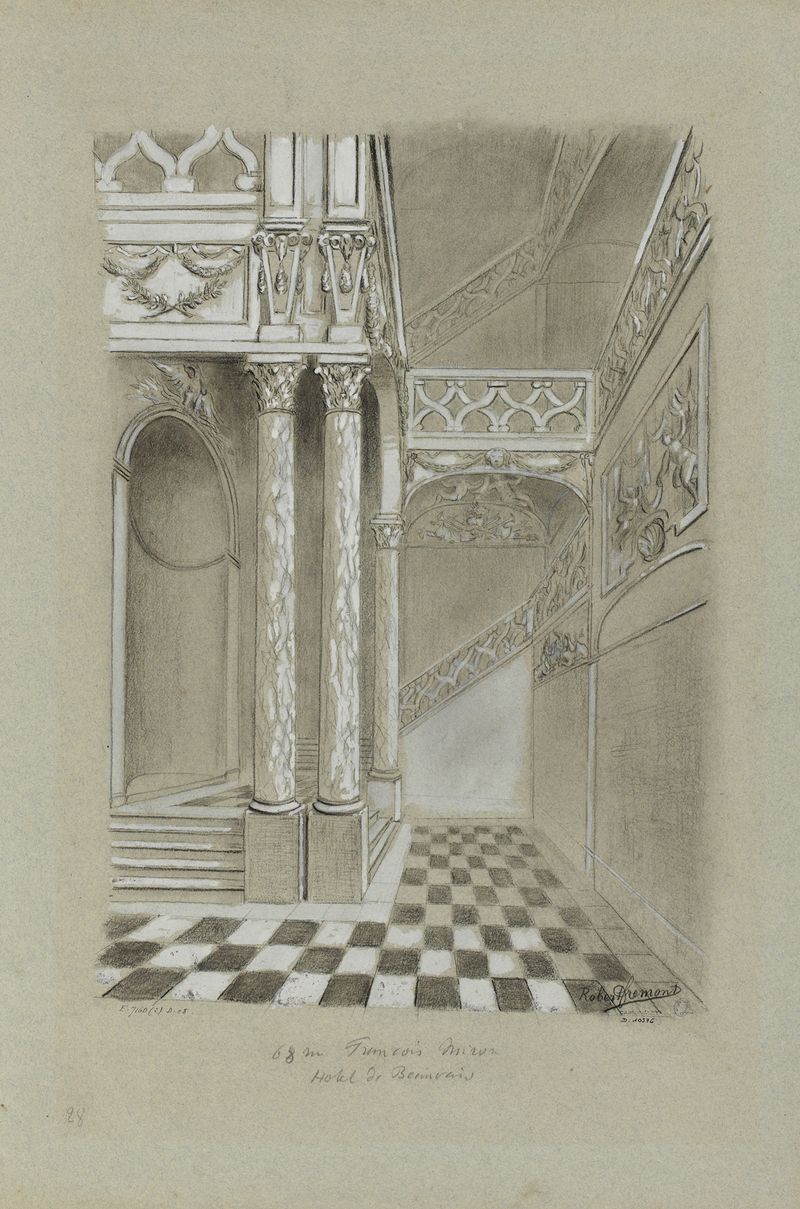
Intérieur de l’Hôtel de Beauvais 68 rue François Miron, 4ème arrondissement
Robert Frémont
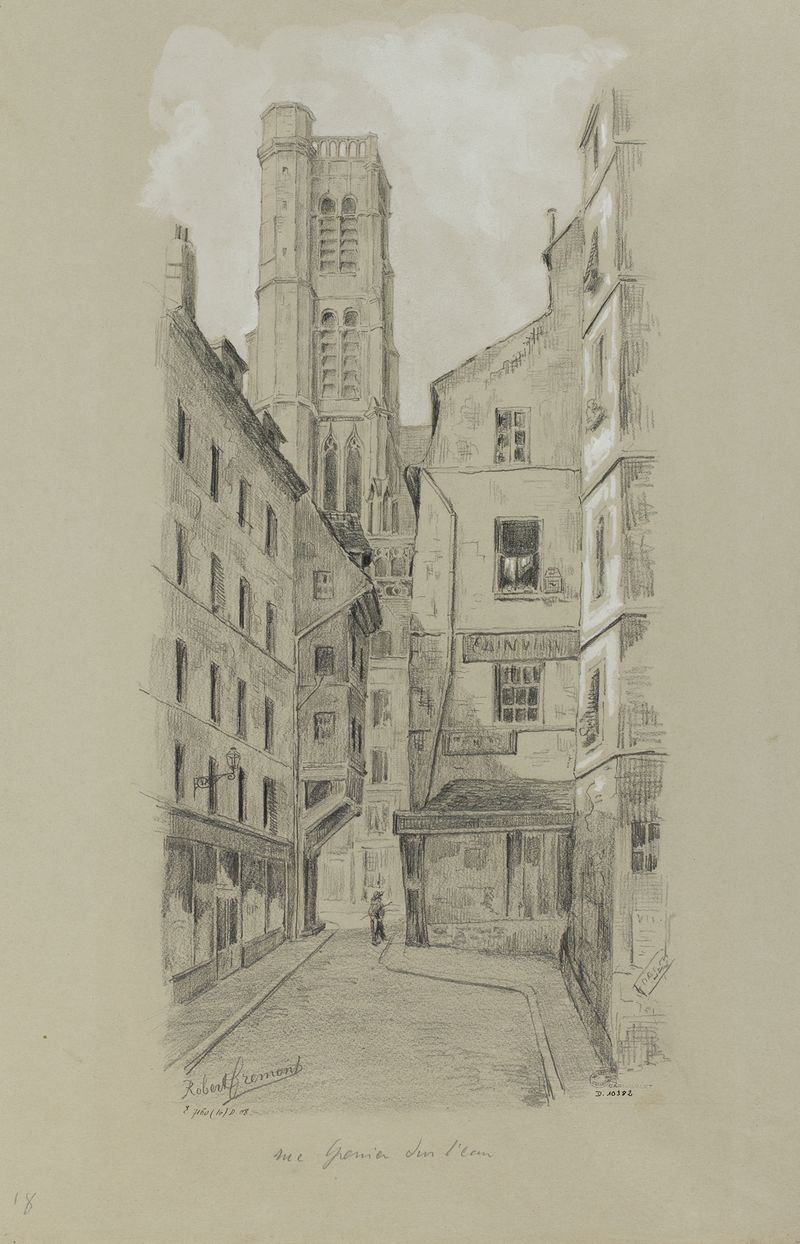
Rue du Grenier-sur-l’Eau, 4ème arrondissement
Robert Frémont
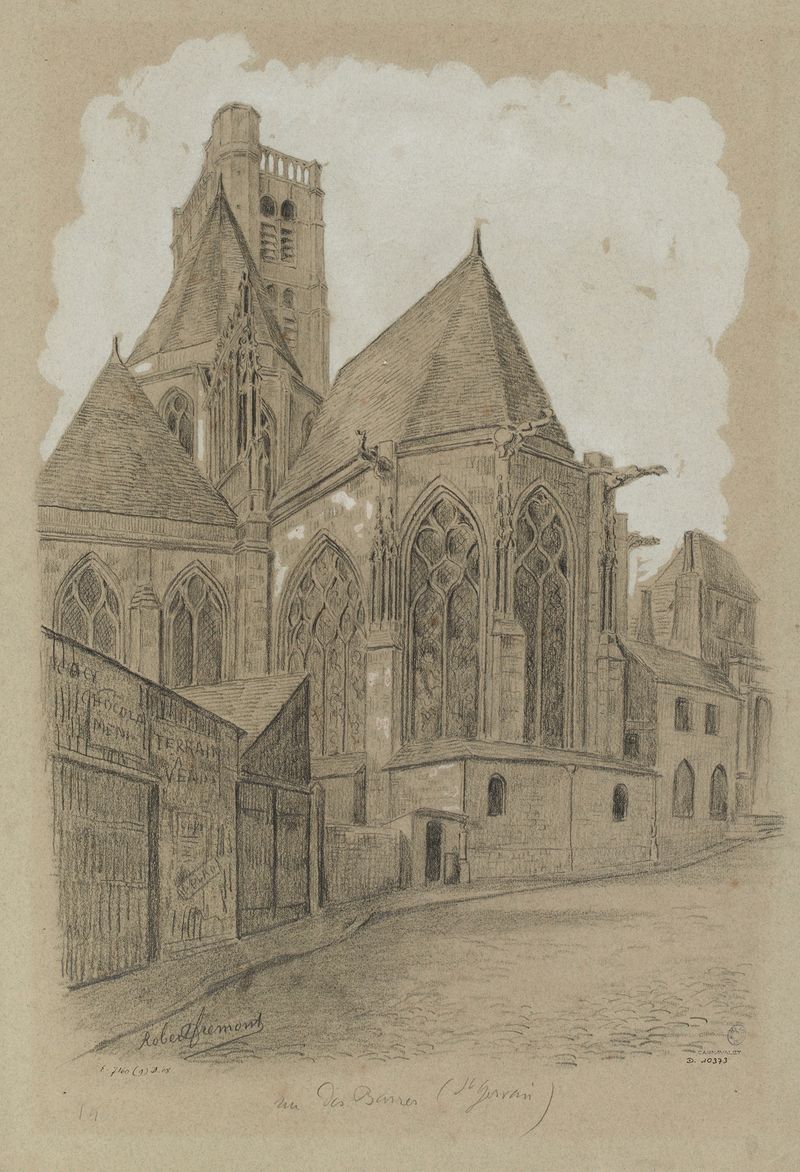
Eglise Saint-Gervais, rue des Barres, 4ème arrondissement
Robert Frémont
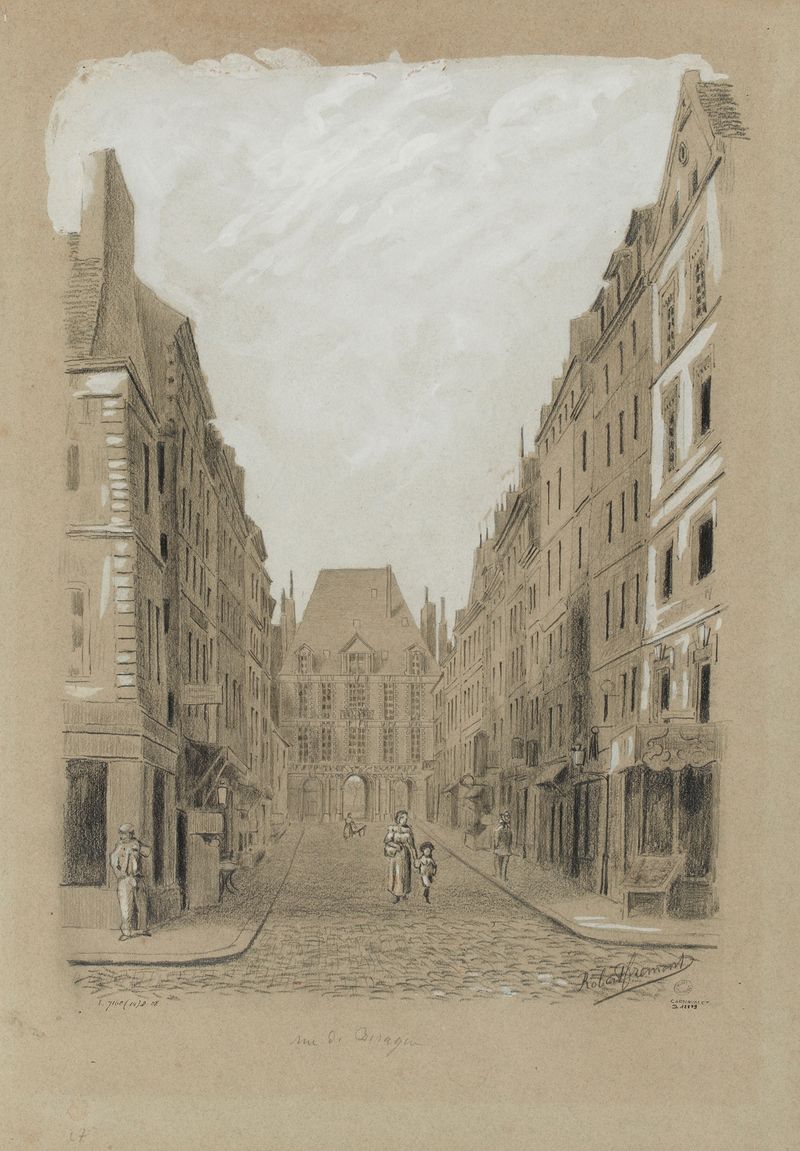
Rue de Birague, 4ème arrondissement
Robert Frémont
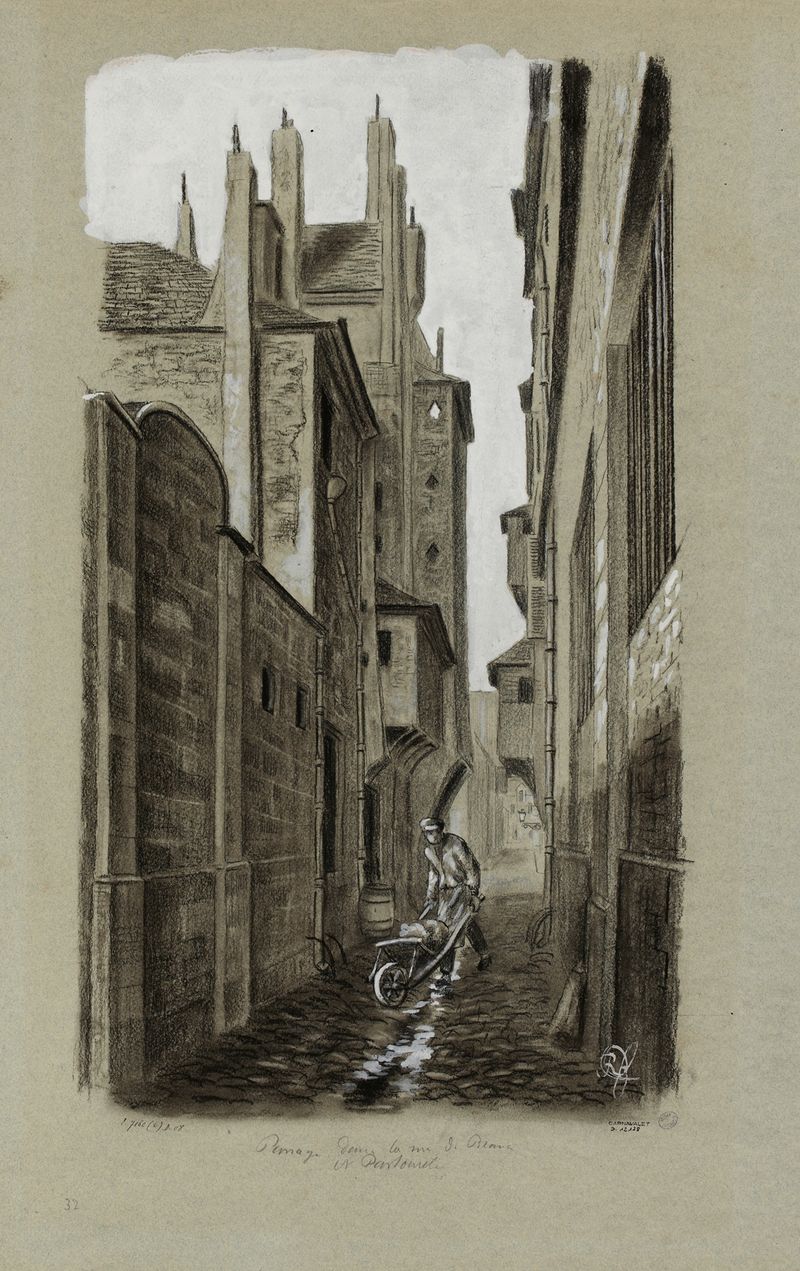
Passage, ruelle Sourlis, dans les rues de Beauce et Pastourelle, 3ème arrondissement
Robert Frémont
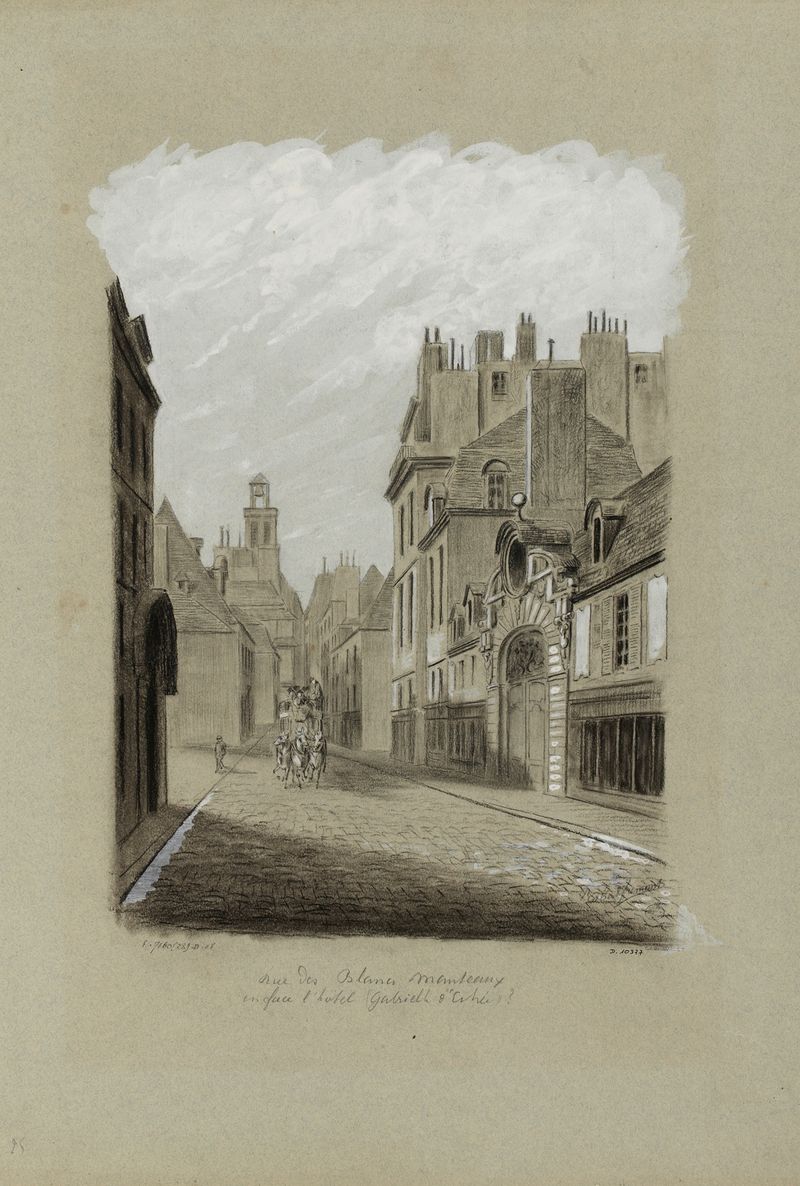
Rue des Blancs-Manteaux, 4ème arrondissement
Robert Frémont
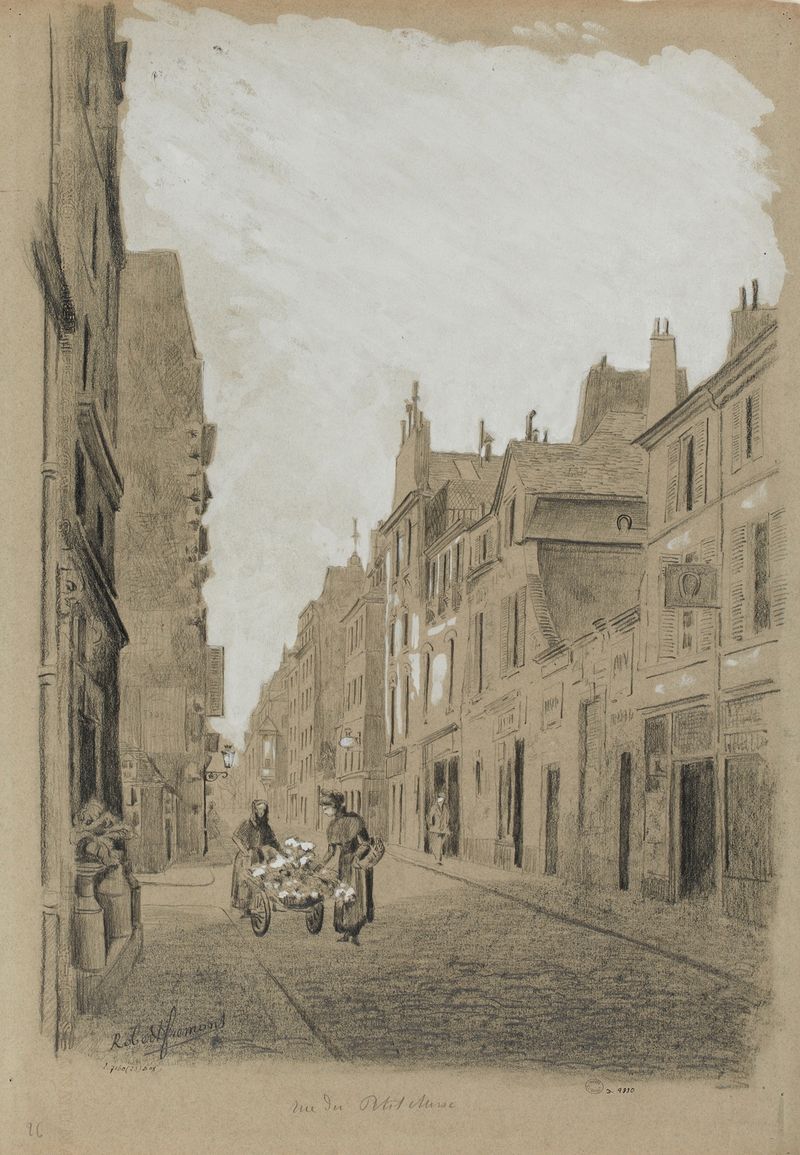
Rue du Petit-Musc, 4ème arrondissement
Robert Frémont





