
Ruined Church — History & Facts
In the remnants of a once-majestic church, shadows linger, whispering secrets of despair and decay. The air is thick with the weight of history, and a palpable fear of the inevitable cloaks the landscape. Focus your gaze on the decaying archway in the center, where crumbled stones juxtapose against the soft glow of a setting sun. Notice how the oranges and yellows blend seamlessly into the greys and browns of ruin, highlighting the fragile beauty within destruction.
The artist’s brush strokes breathe life into the decay, inviting the viewer into a moment suspended in time, where nature’s encroachment is both gentle and menacing. The tension between the vibrant hues of dusk and the somber decay of the church evokes a haunting sense of loss. The building stands as a metaphor for vulnerability; it speaks to the fear of what once was and what may never return. Every crack in the stone suggests stories of worship, community, and ultimately, abandonment, urging us to confront our own fleeting existence amidst the passage of time. In the early 1840s, the artist was immersed in a world where Romanticism flourished, celebrating nature's power and the sublime.
Painted during this tumultuous period in Paris, Ruined Church reflects both a personal and collective grappling with mortality and memory. Dauzats, influenced by the changing artistic tides, sought to capture the haunting beauty of decay, marrying the natural world with the remnants of human endeavor.
More Artworks by Adrien Dauzats
Browse all →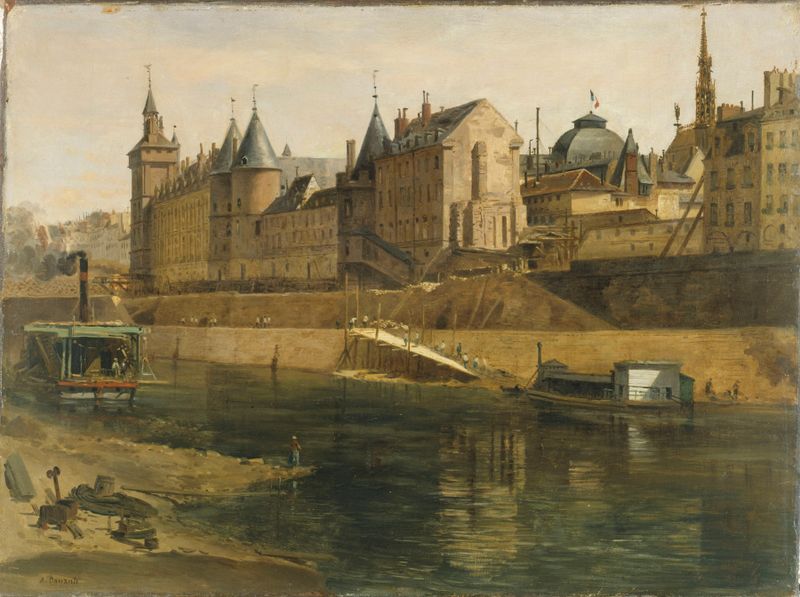
La Conciergerie pendant les travaux de reconstruction du Palais de Justice
Adrien Dauzats
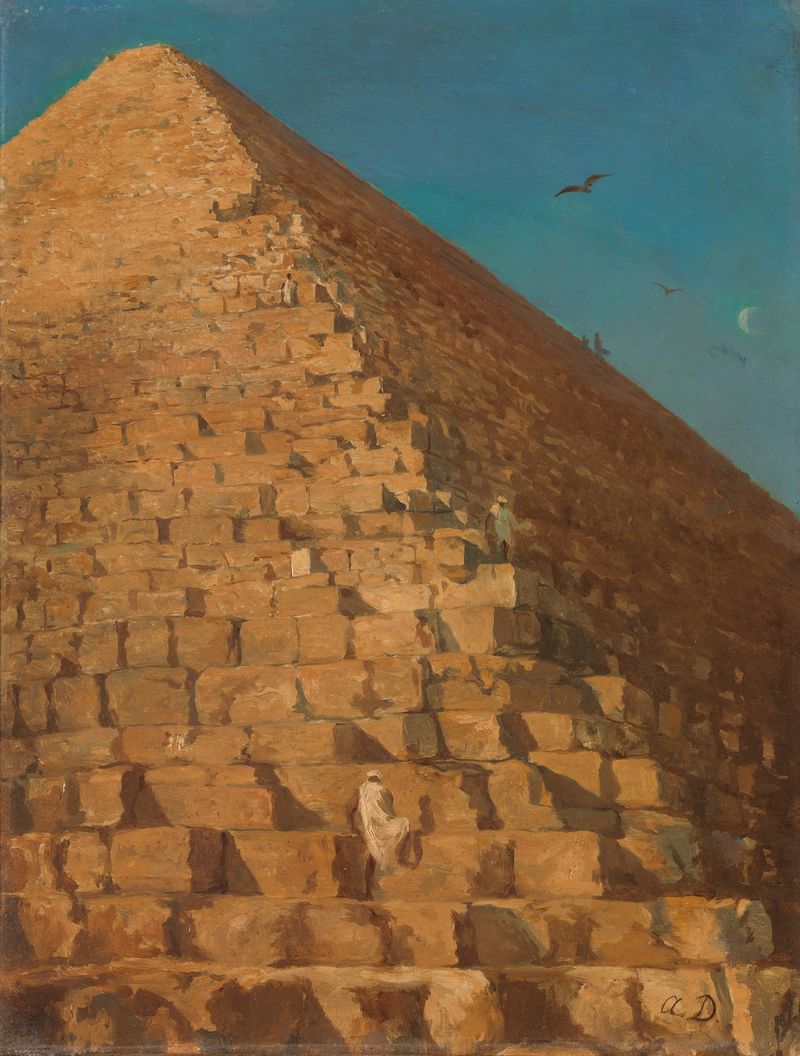
The Great Pyramid, Giza
Adrien Dauzats
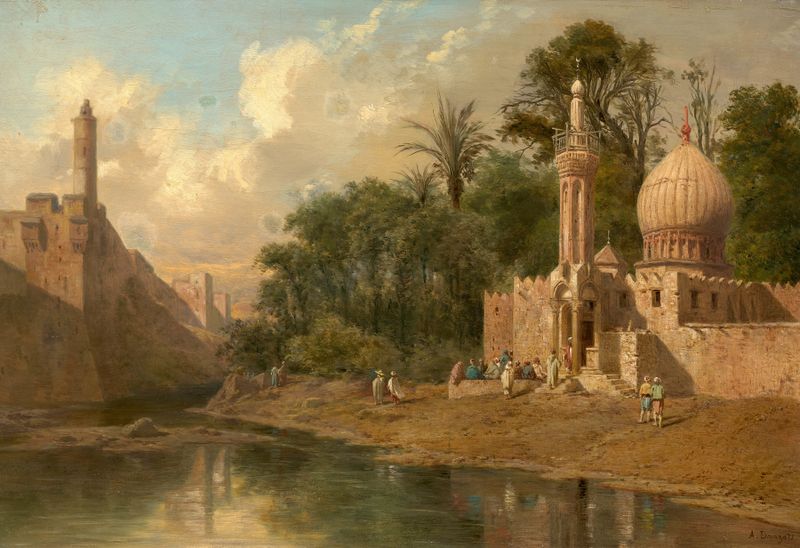
Vue de monuments, probablement au Caire
Adrien Dauzats
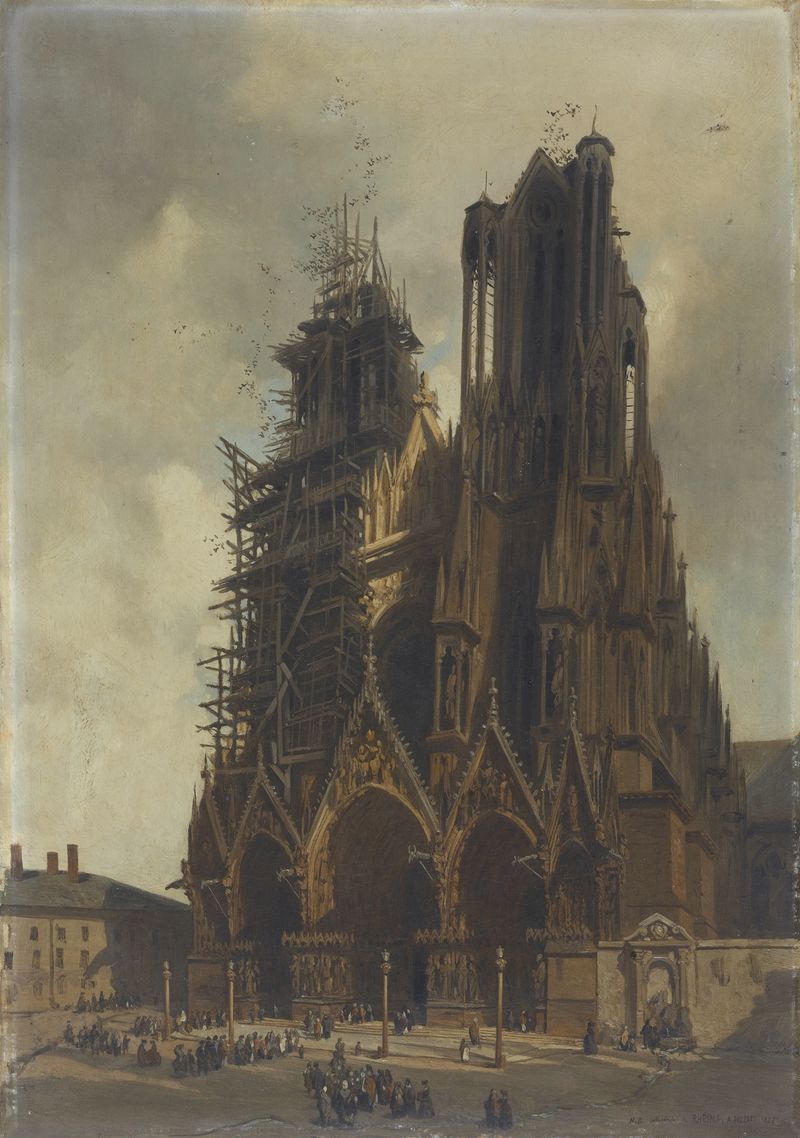
La Cathédrale de Reims
Adrien Dauzats
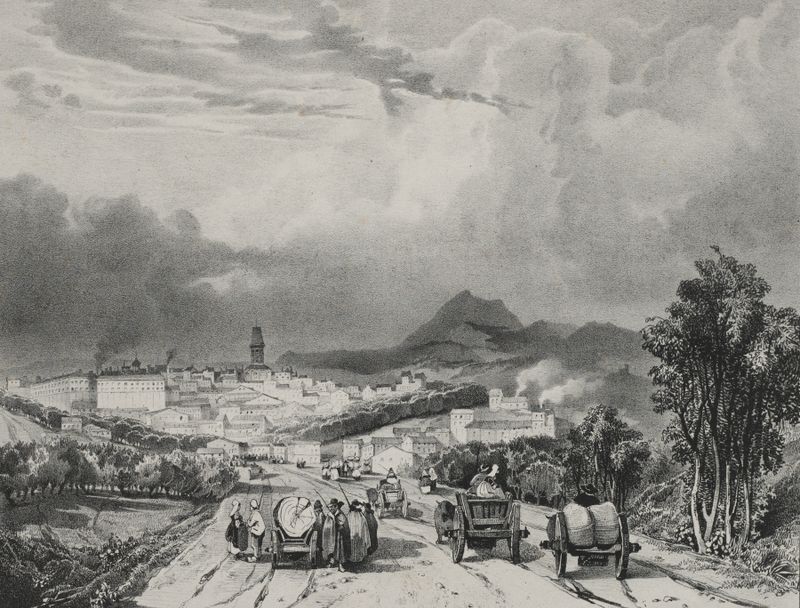
Vue generale de Riom, Auvergne
Adrien Dauzats
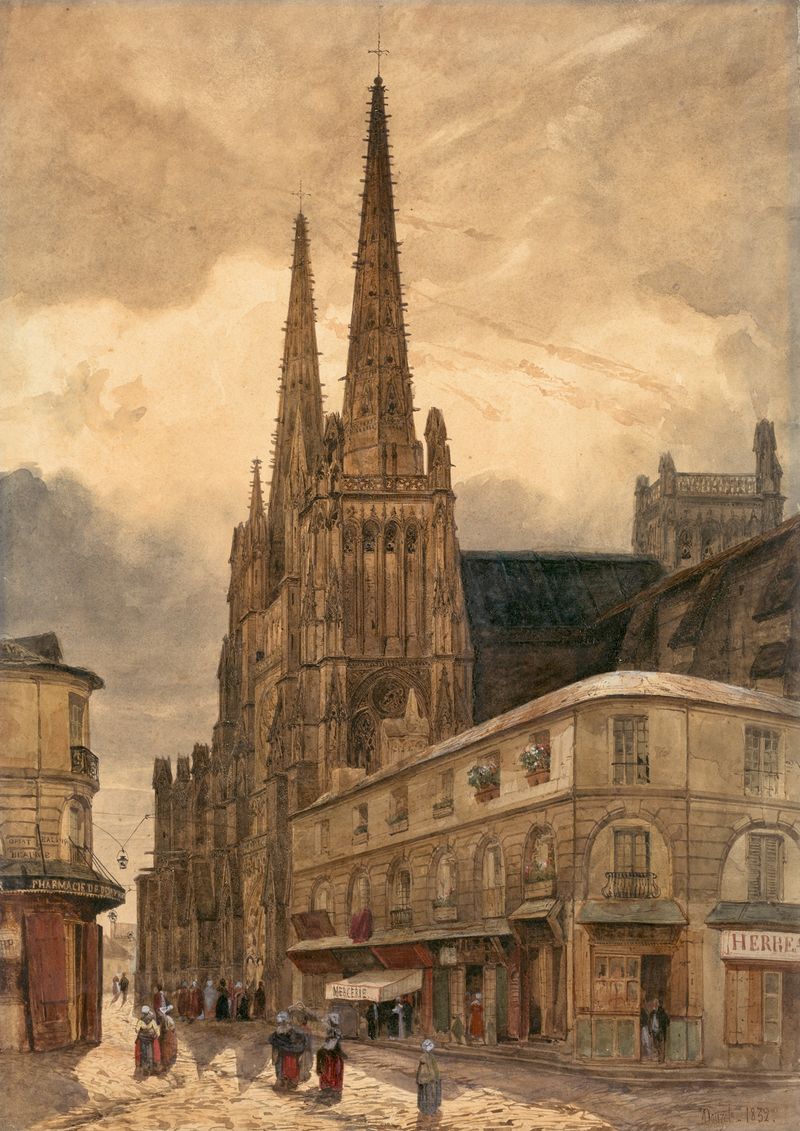
Cathédrale Sainte-André de Bordeaux
Adrien Dauzats
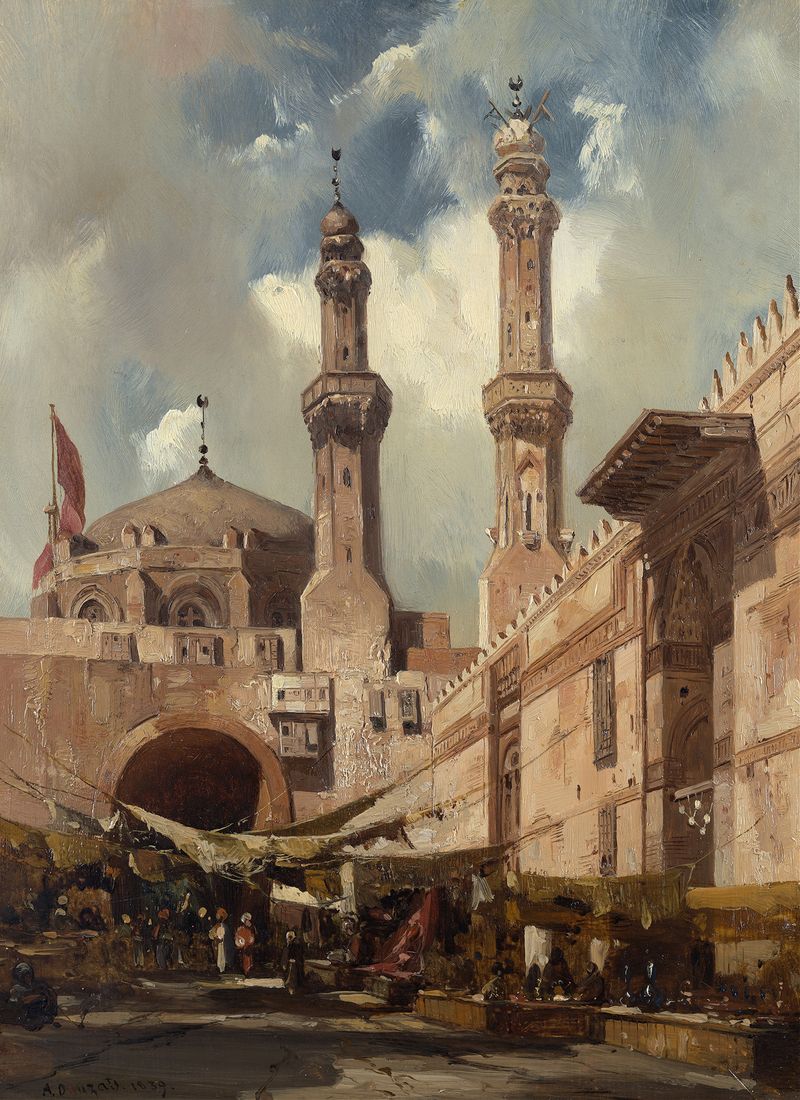
A Cairo Bazaar
Adrien Dauzats
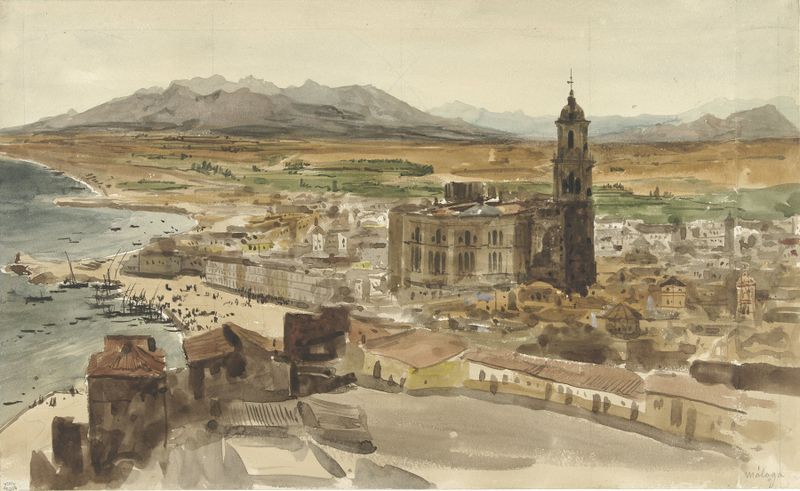
Gezicht op Malaga vanuit het Noorden
Adrien Dauzats





