
The Great Pyramid, Giza — History & Facts
This reflection resonates deeply in the presence of the ancient wonder, its grandeur echoing with the weight of lost time and forgotten stories. Look closely at the foreground, where the sun-drenched sands contrast sharply with the cool shadows cast by the monumental pyramid. The meticulous brushstrokes draw your gaze upward, inviting you to trace the colossal structure's edges, where the light caresses the limestone, creating a shimmering aura. A palette of warm ochres and deep golds envelops the scene, evoking a sense of nostalgia that transcends both time and space. Within this captivating landscape lies a tapestry of emotional tensions: the eternal versus the ephemeral, the human versus the monumental.
The pyramid stands as a testament to ambition and mortality, embodying the dreams of those who toiled to construct it, while the surrounding figures are mere silhouettes of existence, subtly reminding us of the fleeting nature of life. The air vibrates with a melancholic resonance, as if each grain of sand has a story to share, whispering secrets of the past to those who pause to listen. In 1830, Adrien Dauzats painted this view of the Great Pyramid amid a surge of Romantic interest in the past and exotic locales. He was traveling through Egypt during a period when European fascination with ancient civilizations ignited imaginations in the art world.
The backdrop of Western imperialism and colonial exploration added layers of complexity to his work, reflecting a world eager to connect with its history while grappling with the implications of its present.
More Artworks by Adrien Dauzats
Browse all →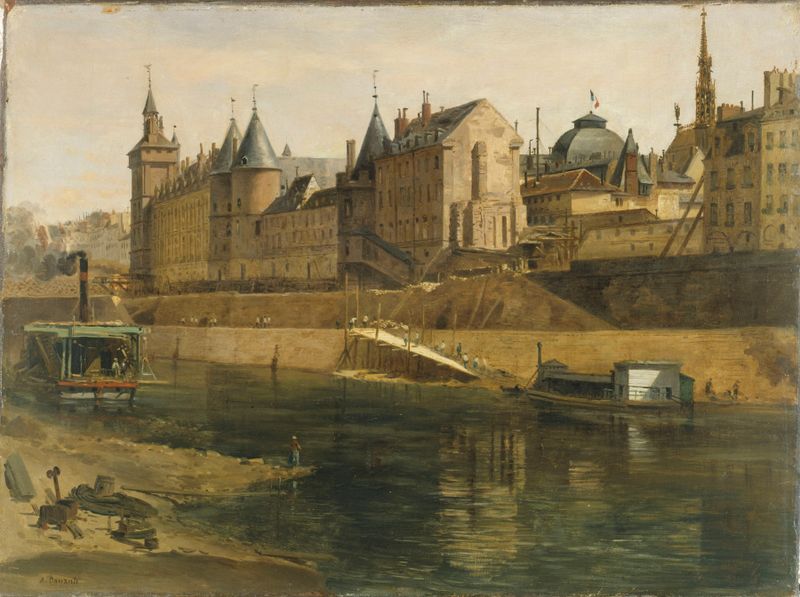
La Conciergerie pendant les travaux de reconstruction du Palais de Justice
Adrien Dauzats
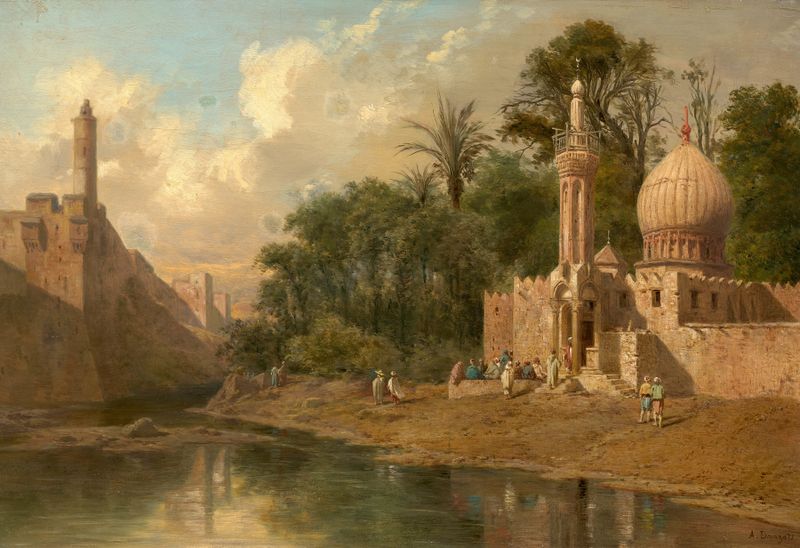
Vue de monuments, probablement au Caire
Adrien Dauzats
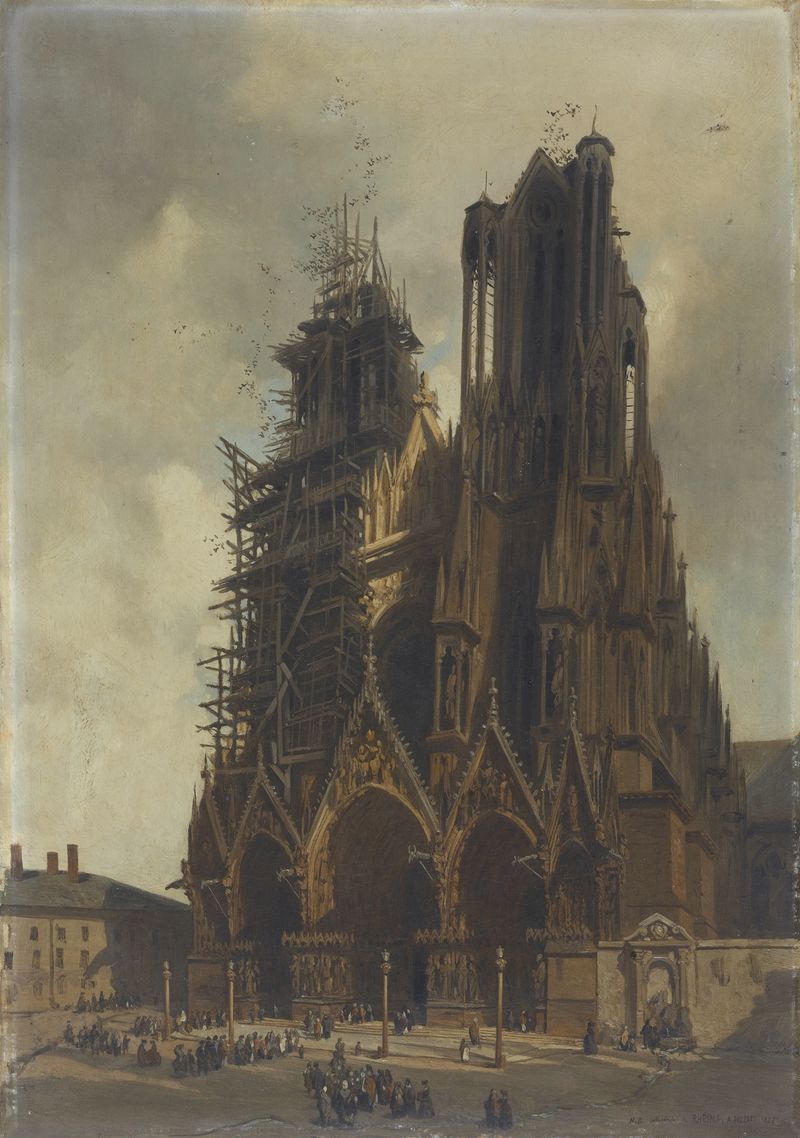
La Cathédrale de Reims
Adrien Dauzats
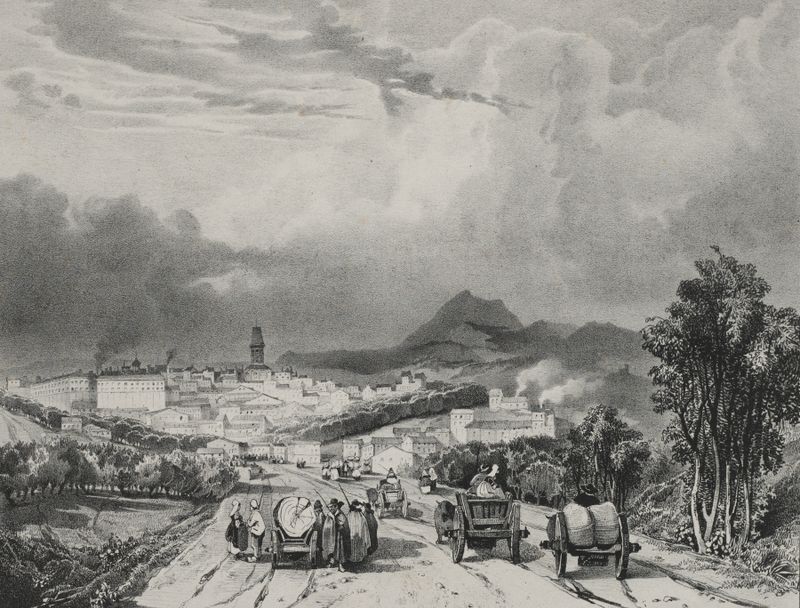
Vue generale de Riom, Auvergne
Adrien Dauzats
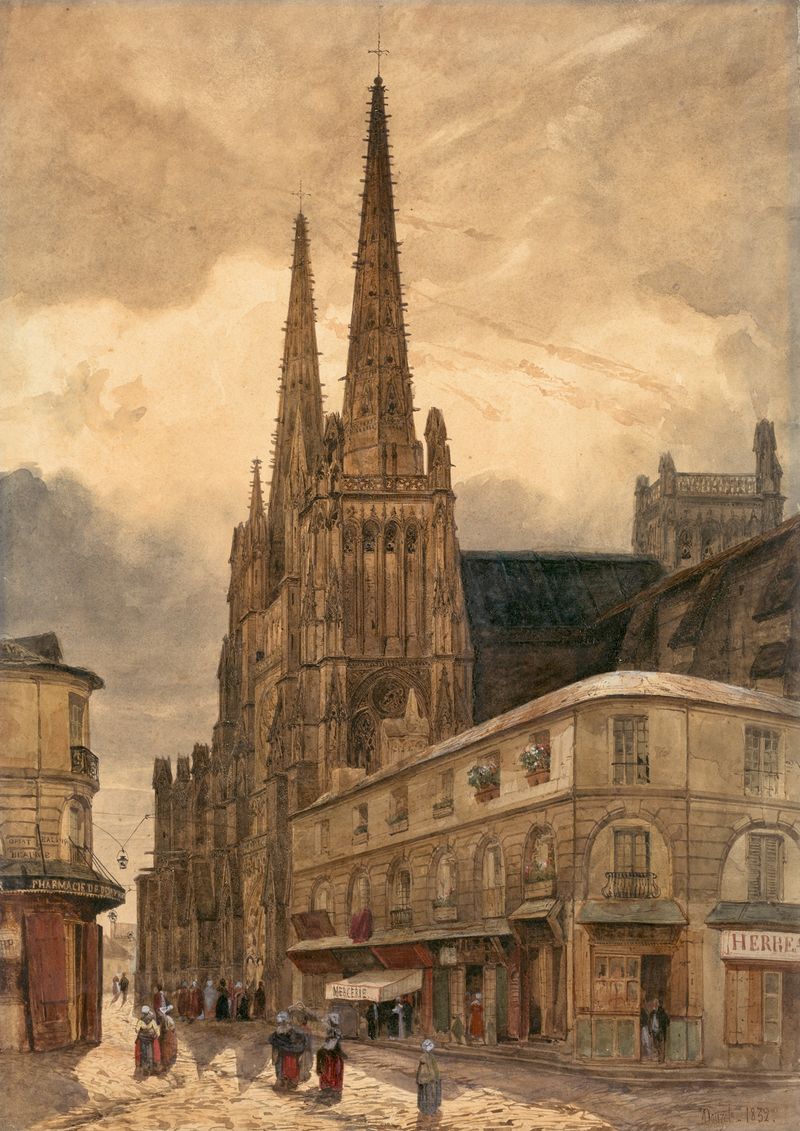
Cathédrale Sainte-André de Bordeaux
Adrien Dauzats
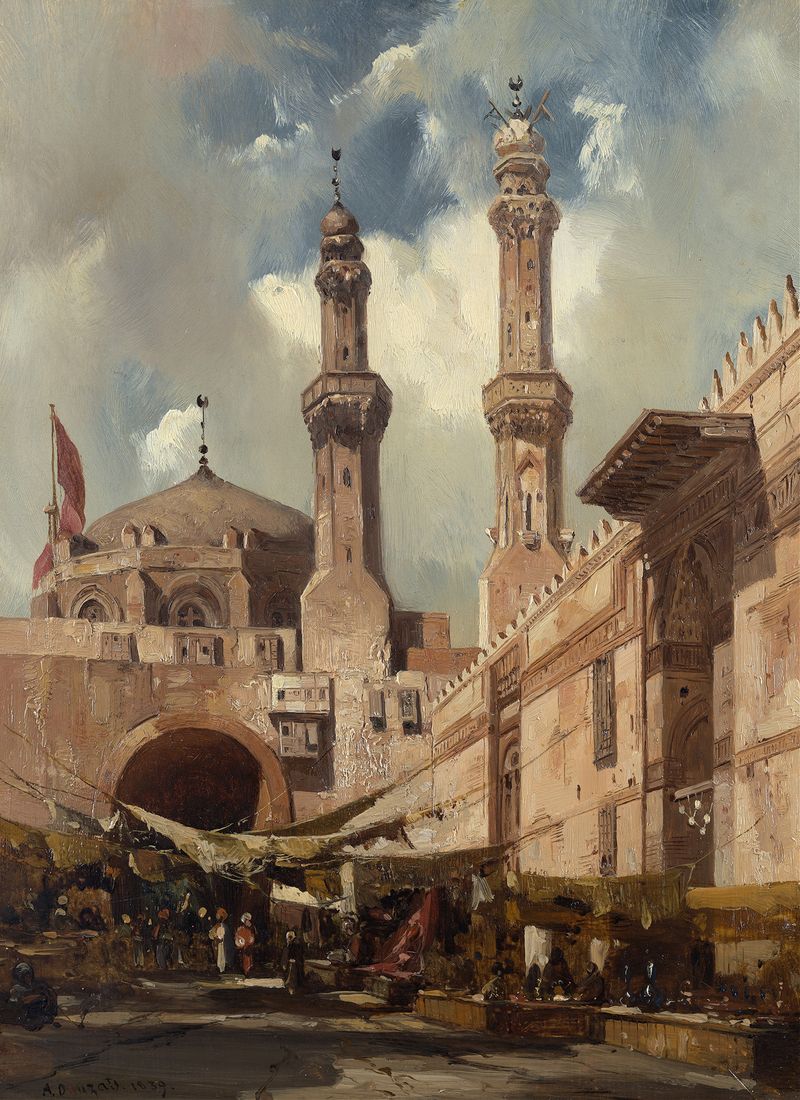
A Cairo Bazaar
Adrien Dauzats
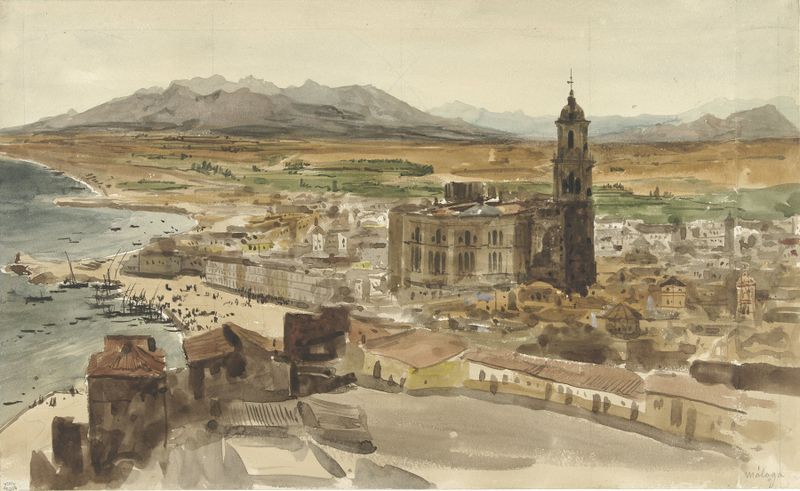
Gezicht op Malaga vanuit het Noorden
Adrien Dauzats
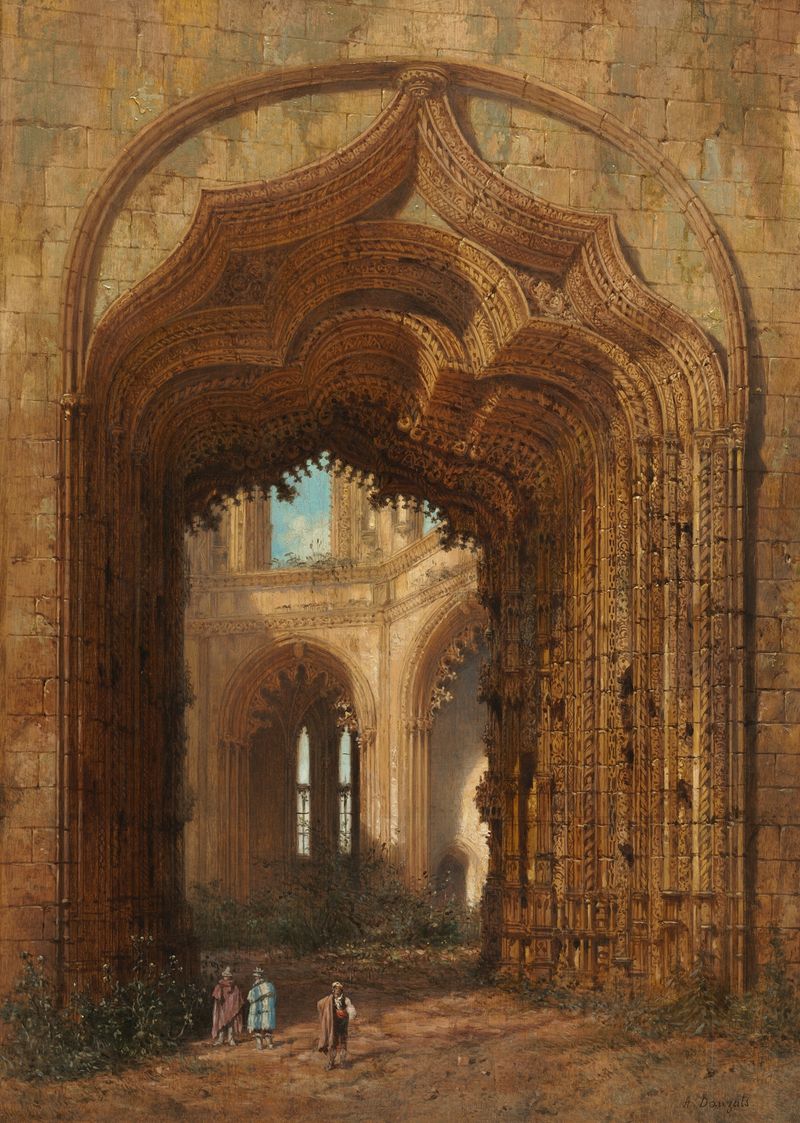
Ruined Church
Adrien Dauzats





