
Ruïne van een huis in Utrecht — History & Facts
Could a single brushstroke hold eternity? In the silent embrace of decay and forgotten stories, a crumbling house whispers the desires of its past. Look to the left at the skeletal remains of the structure, its weathered walls leaning precariously, as if caught in a delicate dance with time. Notice how the warm earth tones of ochre and sienna harmonize with the soft, muted greens of the surrounding vegetation, creating a poignant contrast between life and desolation. The light gently spills over the scene, illuminating the textures of the cracked plaster and splintered wood, compelling the viewer to explore every crevice of this once-vibrant home. Delve deeper into the composition, and you'll discover the subtle interplay of shadow and light, evoking a longing for what once was.
The juxtaposition of the decaying edifice against the lush, resilient greenery surrounding it hints at the relentless march of nature, a desire to reclaim its domain. In this fragile moment, the artist encapsulates not only the physical ruin but also the emotional weight of abandonment and nostalgia—each brushstroke echoing the silent hopes of those who once called it home. In 1674, while residing in Utrecht, the artist captured this poignant scene during a time when the Netherlands was experiencing both artistic prosperity and societal change. The Baroque period’s influence is evident in his detailed representation of decay, reflecting a broader cultural fascination with the passage of time and the impermanence of human endeavor.
Saftleven’s work not only documents the landscape but also encapsulates the emotional resonance of desire and loss, making it a lasting testament to the human experience.
More Artworks by Herman Saftleven
Browse all →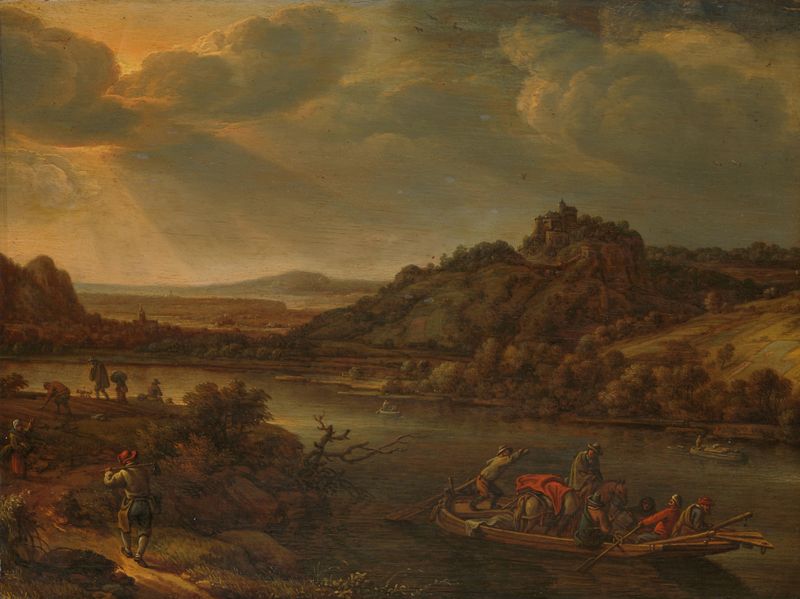
River view with ferry
Herman Saftleven
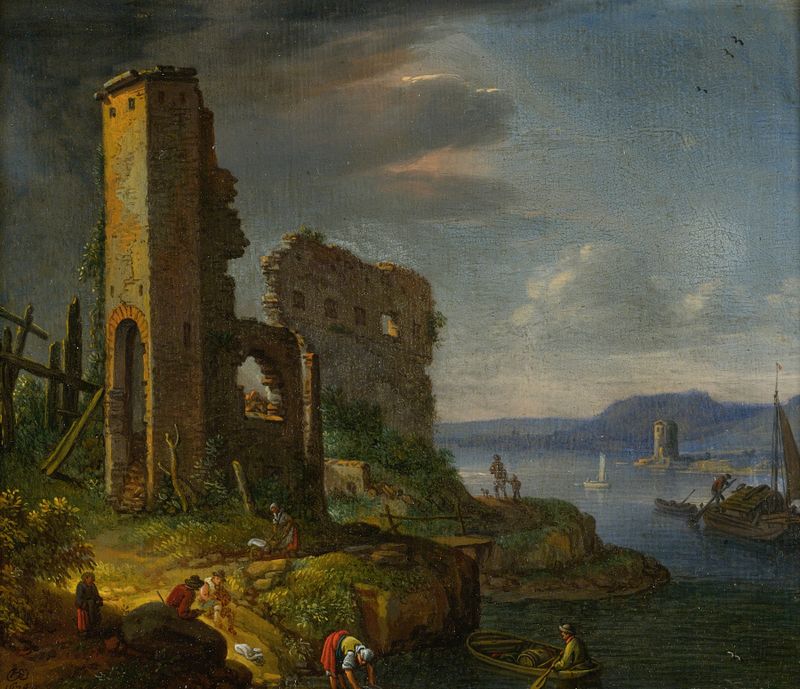
River Landscape With Ruins, Boats And Figures
Herman Saftleven
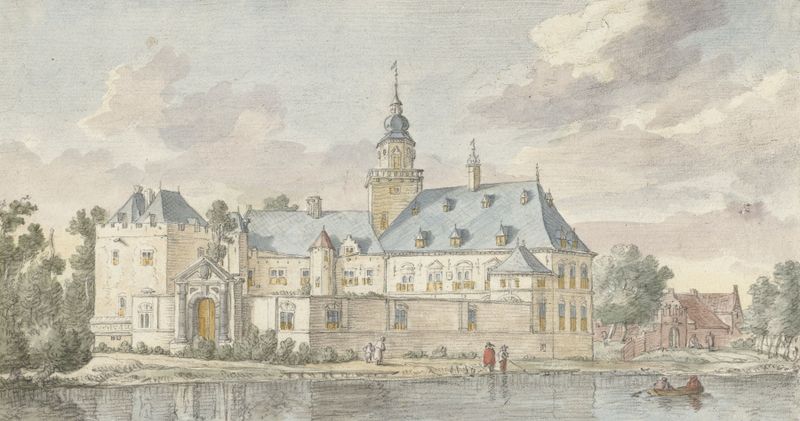
Gezicht op kasteel Nijenrode
Herman Saftleven
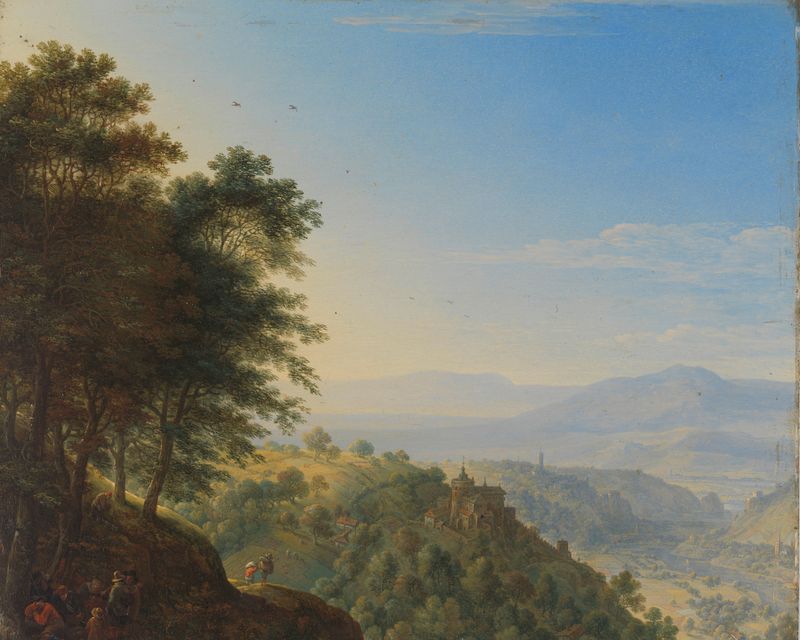
Berglandschap bij Boppard aan de Rijn
Herman Saftleven
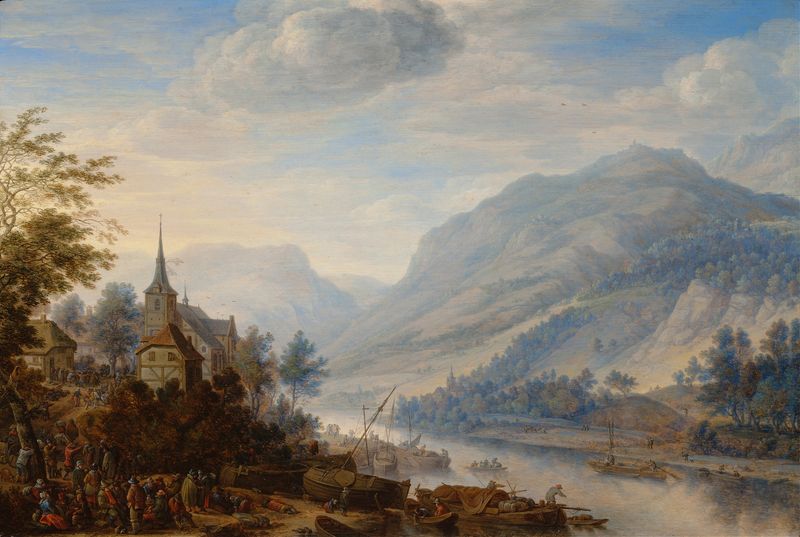
View of the Rhine at Reineck
Herman Saftleven
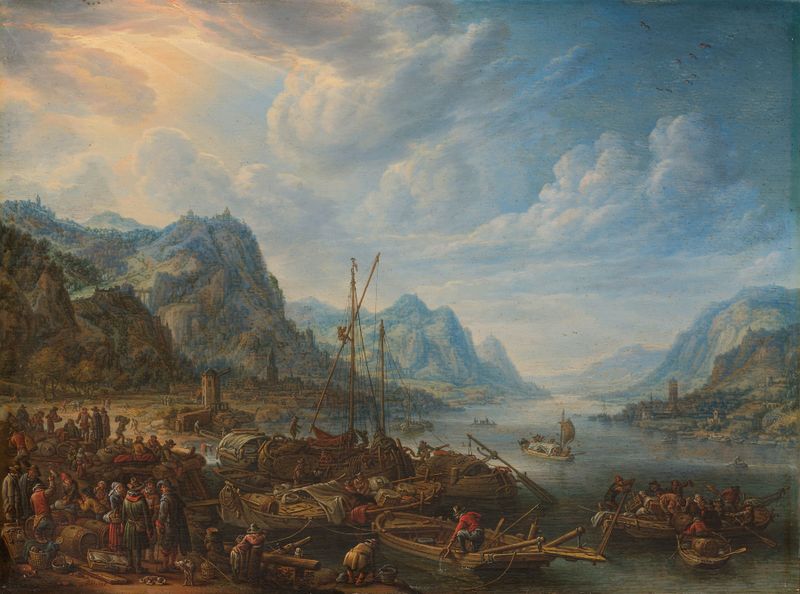
Riviergezicht met aanlegplaats
Herman Saftleven
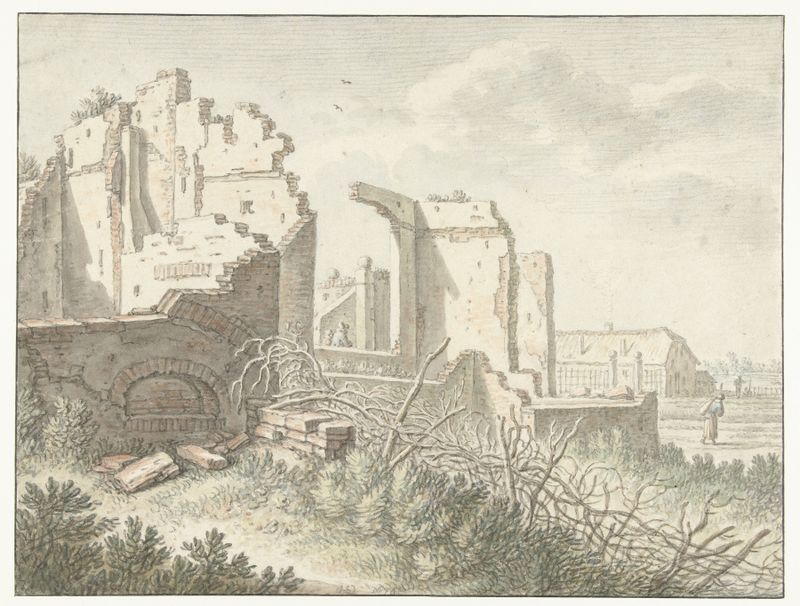
Ruïne buiten de Wittevrouwenpoort te Utrecht
Herman Saftleven
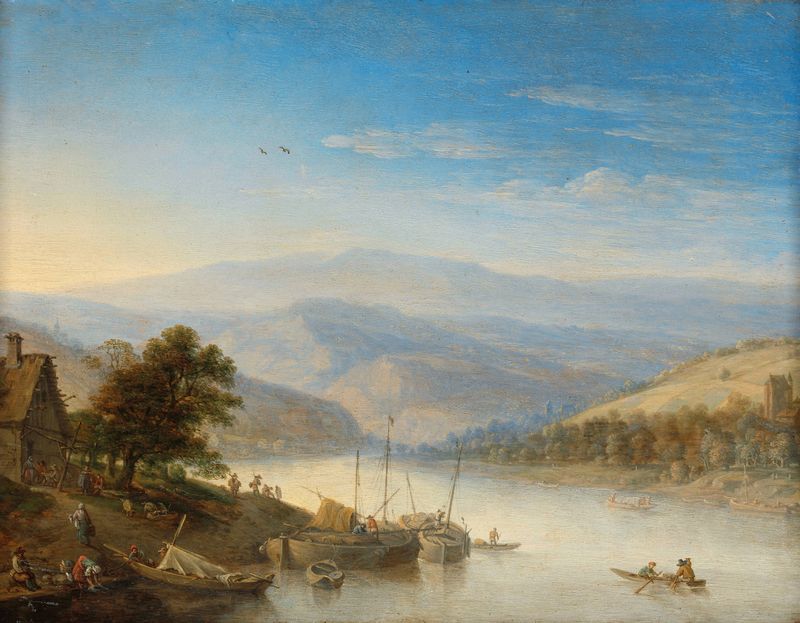
View of the Rhine River near Andernach
Herman Saftleven
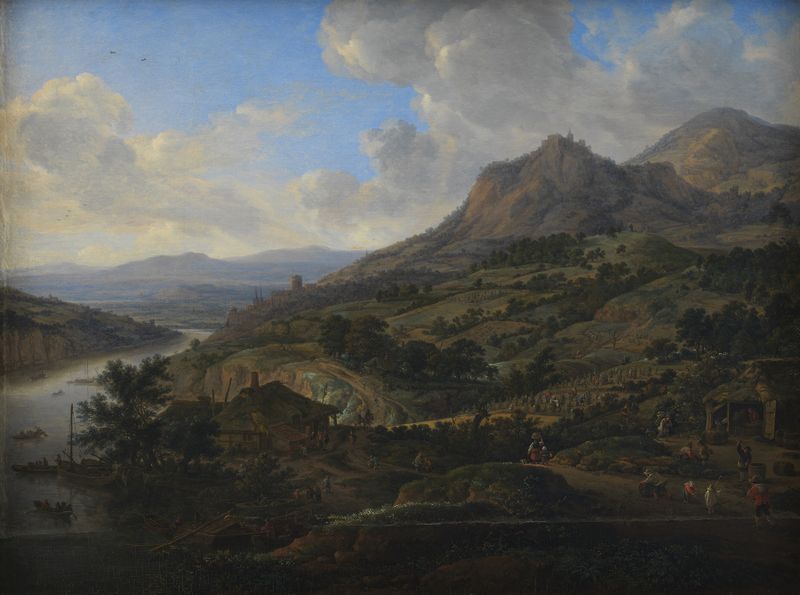
Wine Harvest at the Rhine
Herman Saftleven
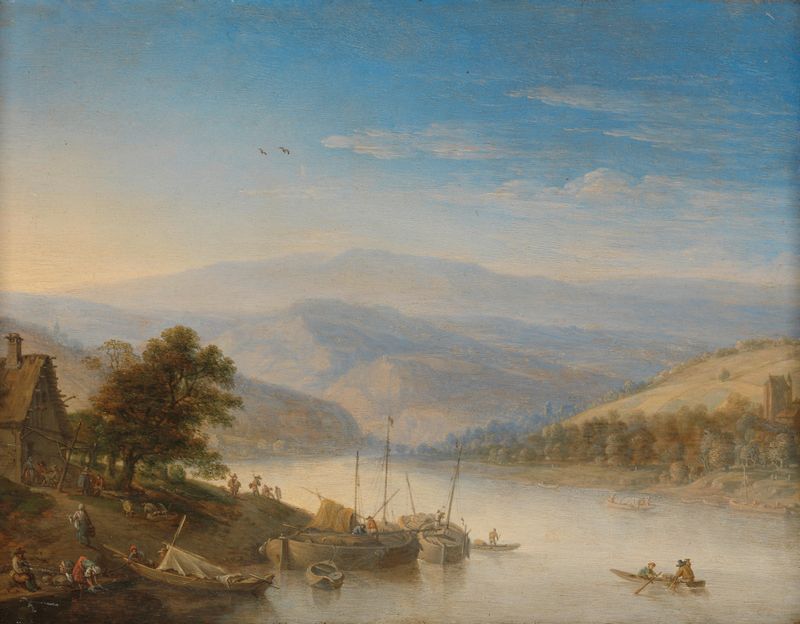
Gezicht op de Rijn bij Andernach
Herman Saftleven
More Architecture Art
Browse all →
The statue of Liberty
Frédéric Auguste Bartholdi

View of Houses in Delft, Known as ‘The Little Street’
Johannes Vermeer

View of Houses in Delft, Known as ‘The Little Street’
Johannes Vermeer

The Cathedral in Rouen. The portal, Grey Weather
Claude Monet

The yellow house
Vincent van Gogh

The Church in Auvers-sur-Oise, View from the Chevet
Vincent van Gogh