
Ruïnes van een gebouw te Utrech — History & Facts
Is this a mirror — or a memory? In the delicate interplay of light and shadow, a forgotten structure emerges, standing as a testament to faith and resilience amid decay. Look to the center, where the remnants of the building rise against the horizon, their jagged outlines softened by the warm glow of late afternoon sunlight. Notice how the artist has skillfully rendered the crumbling bricks and weathered stone, inviting you to explore the textures that suggest both age and reverence. Surrounding the ruins, muted greens and browns of the landscape echo the passage of time, creating a stark contrast that emphasizes the gravity of what once was. Beneath the surface, the painting resonates with themes of loss and hope.
The ruins serve not only as a historical relic but also as a metaphor for the fragility of faith — a reminder that even in destruction, beauty and history linger. The loneliness of the structure speaks to a collective memory, imbued with the whispers of those who once walked its halls, evoking a sense of nostalgia tempered by the inevitability of change. In 1674, while working on Ruïnes van een gebouw te Utrech, the artist was deeply immersed in the Baroque tradition, which celebrated both the grandeur and the decay of human achievement. Living in the Netherlands, Saftleven was influenced by the shifting cultural landscape, where such ruins became poignant reminders of both the past and the transient nature of existence.
This period marked a time of reflection in art, where the interplay of light and architecture began to reflect deeper philosophical inquiries into faith and mortality.
More Artworks by Herman Saftleven
Browse all →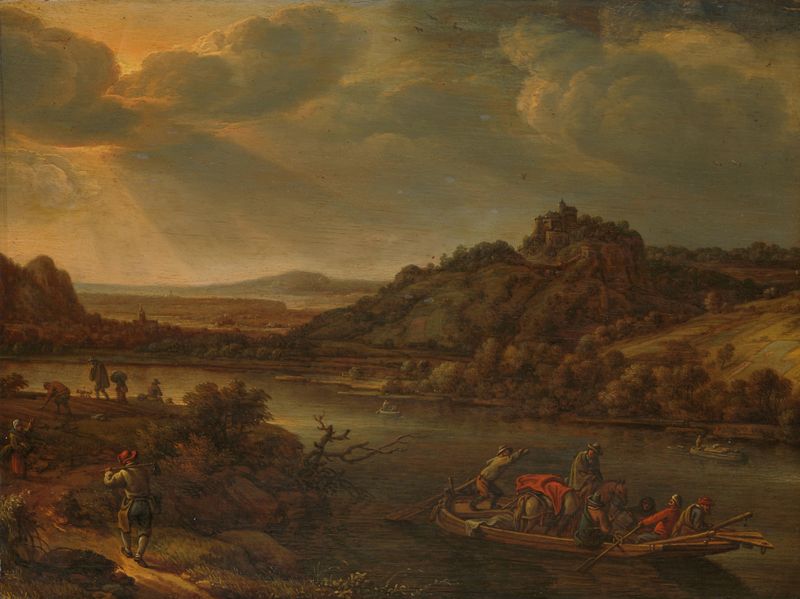
River view with ferry
Herman Saftleven
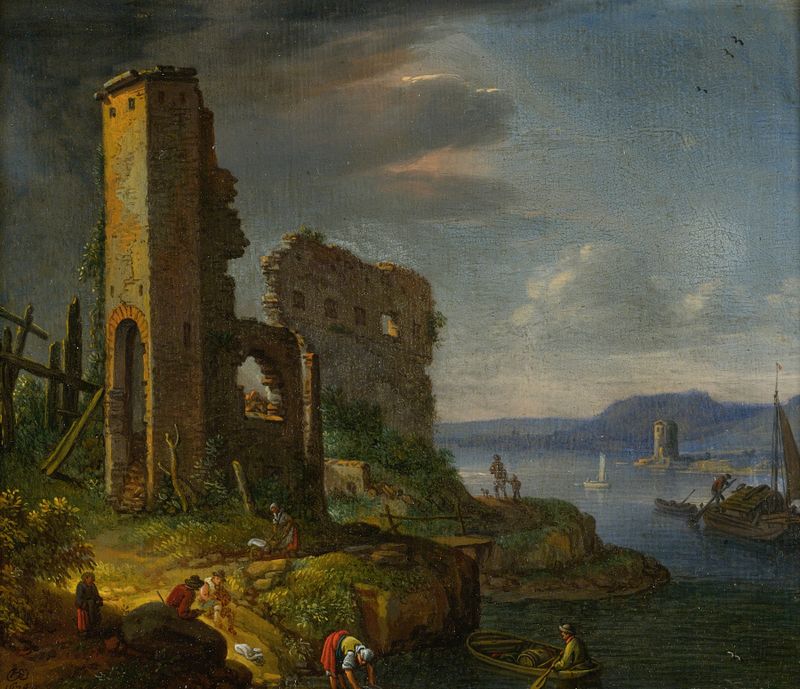
River Landscape With Ruins, Boats And Figures
Herman Saftleven
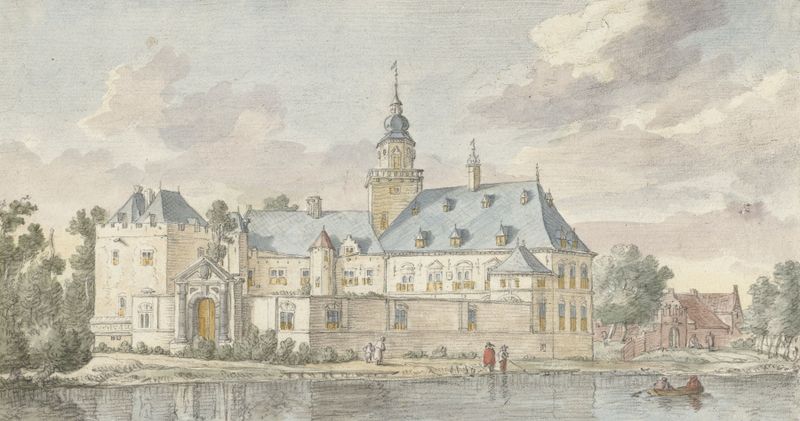
Gezicht op kasteel Nijenrode
Herman Saftleven
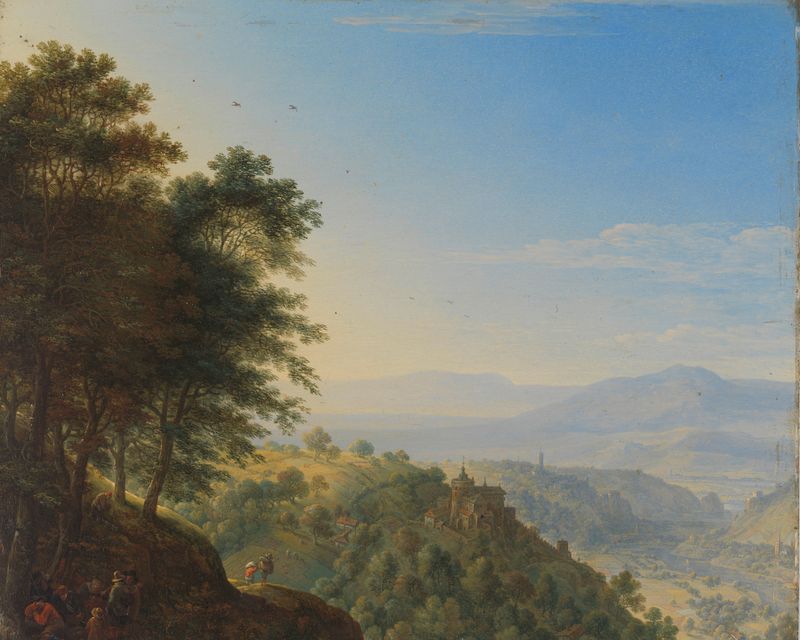
Berglandschap bij Boppard aan de Rijn
Herman Saftleven
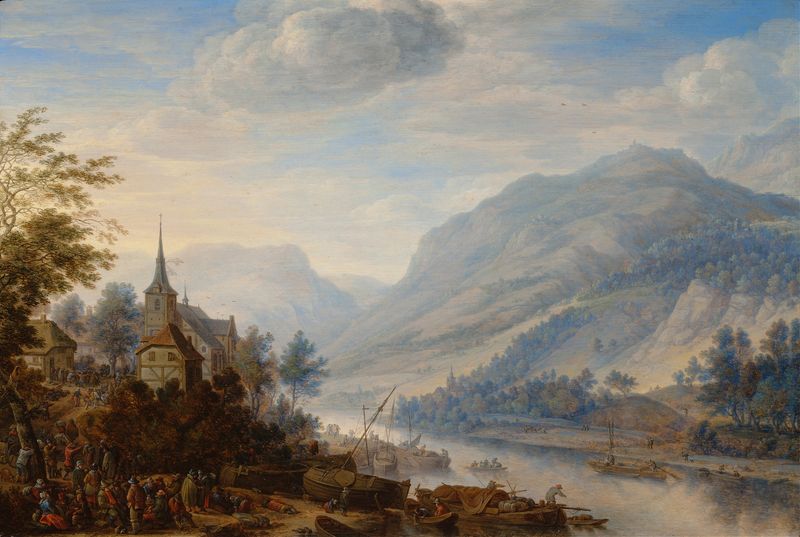
View of the Rhine at Reineck
Herman Saftleven
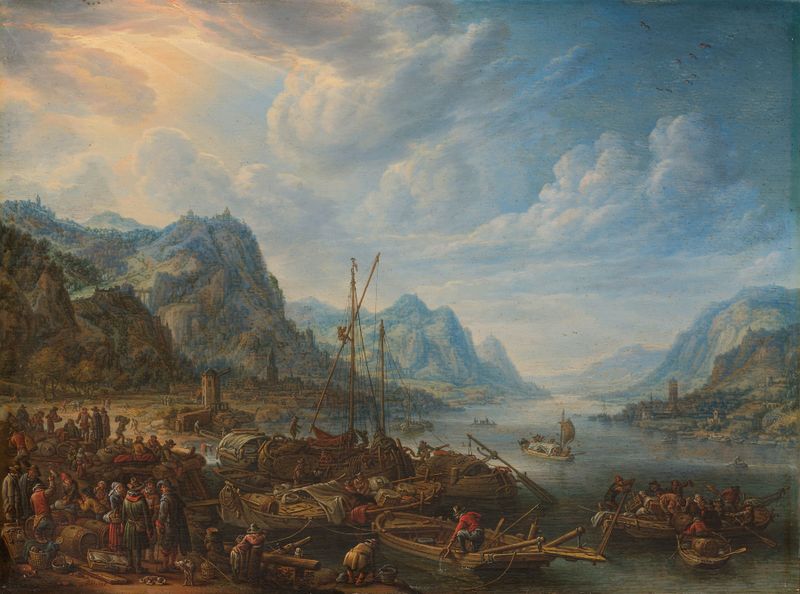
Riviergezicht met aanlegplaats
Herman Saftleven
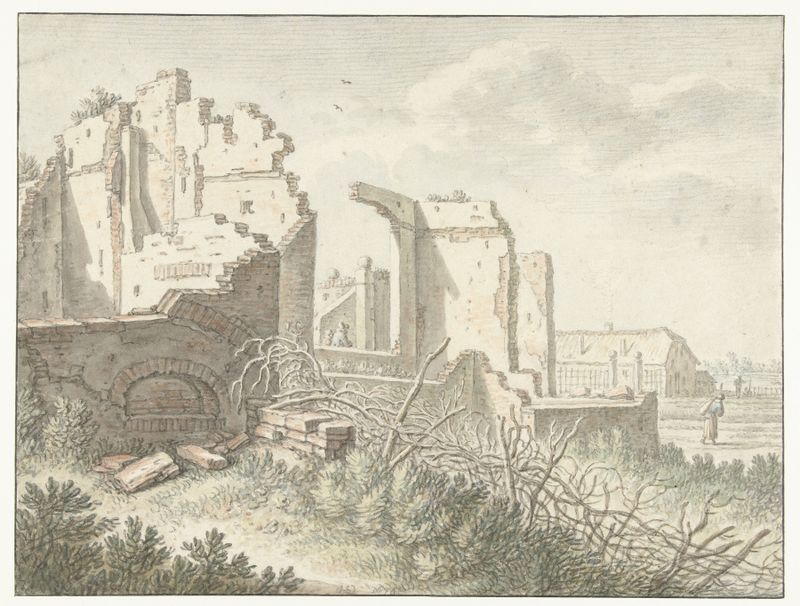
Ruïne buiten de Wittevrouwenpoort te Utrecht
Herman Saftleven
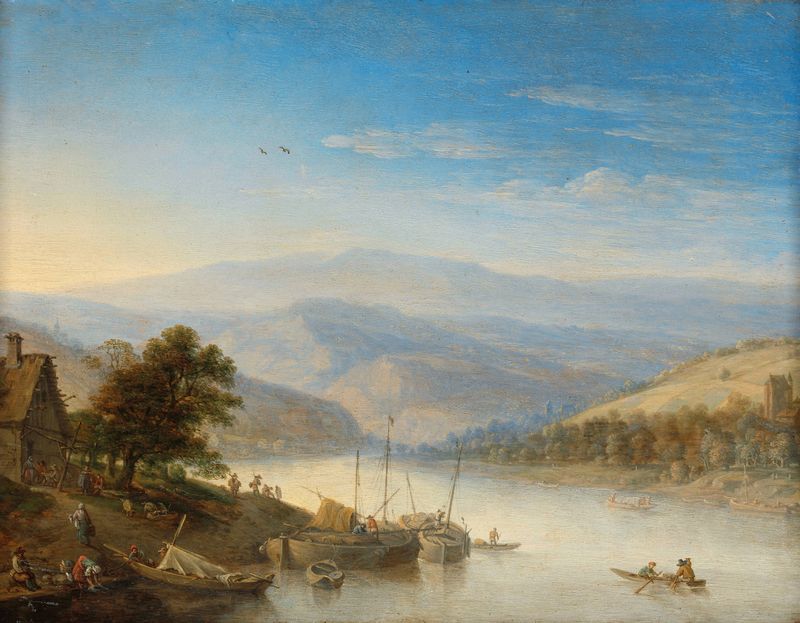
View of the Rhine River near Andernach
Herman Saftleven
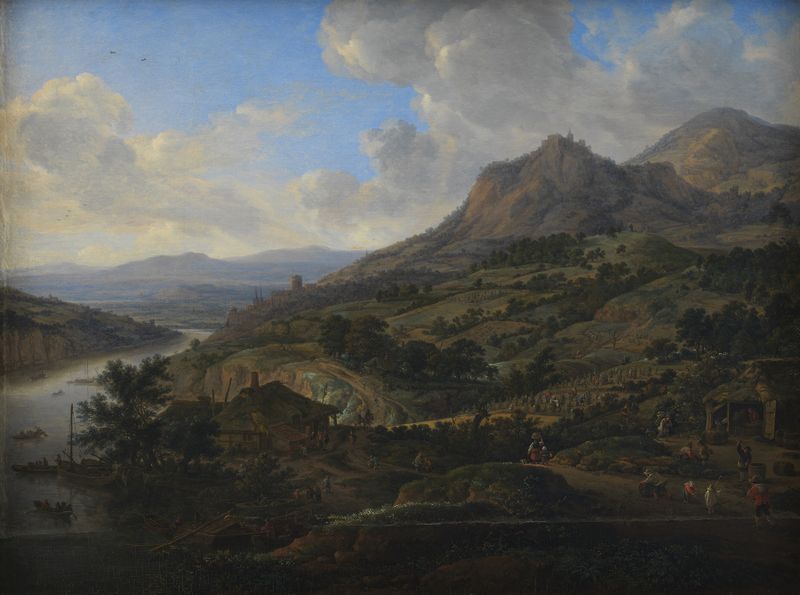
Wine Harvest at the Rhine
Herman Saftleven
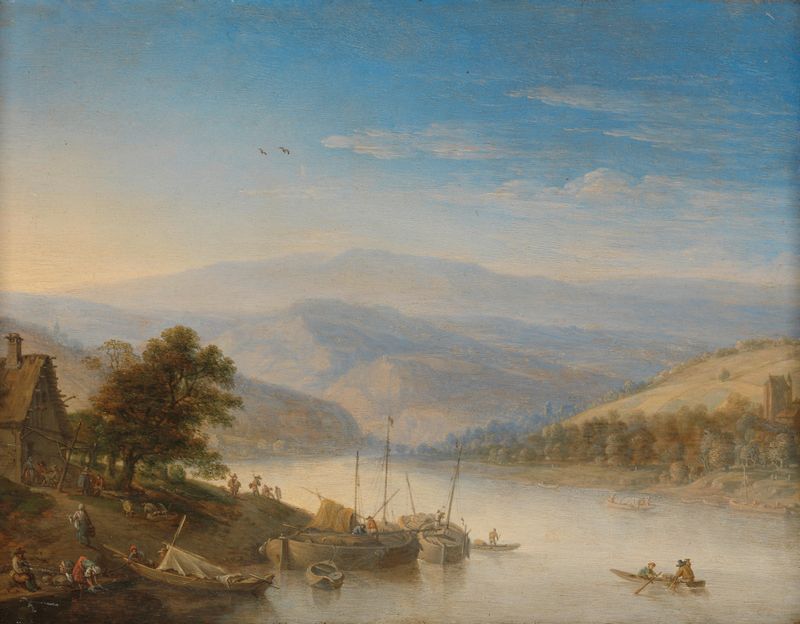
Gezicht op de Rijn bij Andernach
Herman Saftleven
More Architecture Art
Browse all →
The statue of Liberty
Frédéric Auguste Bartholdi

View of Houses in Delft, Known as ‘The Little Street’
Johannes Vermeer

View of Houses in Delft, Known as ‘The Little Street’
Johannes Vermeer

The Cathedral in Rouen. The portal, Grey Weather
Claude Monet

The yellow house
Vincent van Gogh

The Church in Auvers-sur-Oise, View from the Chevet
Vincent van Gogh