
Running into stormy weather off Gibraltar — History & Facts
In the vast expanse of the sea, the whisper of impending chaos speaks louder than thunder. A void hangs heavy above the horizon, where the dark clouds gather, hinting at the tumultuous journey ahead. The ocean’s restless waves reflect the unease, a silent prelude to the storm that looms. Look to the center of the canvas, where tumultuous waves clash against the hull of a sturdy ship.
The interplay of deep blues and grays captures both motion and tension, drawing the viewer into the heart of the storm. Notice how the artist contrasts the shimmering light on the water with the oppressive shadows of the clouds above, a clever orchestration that mirrors the struggle between nature’s beauty and its ferocity. The ship’s sails billow, infused with urgency, inviting an immediate response to the impending turmoil. Delve deeper into the details—the splashes of white foam punctuating the waves symbolize both danger and resilience.
The distant lightning, a jagged line of illumination, suggests the momentary clarity that often arises amidst chaos. Each brushstroke conveys a sense of urgency and foreboding, reflecting humanity's eternal battle against the uncontrollable forces that nature wields. This emotional tension encapsulates the paradox of seeking adventure within the void of uncertainty. Thomas Whitcombe painted this piece in the late 18th century, amidst the rise of maritime exploration and burgeoning Romanticism.
At this time, artists were beginning to grapple with the vastness of nature and the human experience within it. Whitcombe, a prominent marine painter, sought to capture both the grandeur and peril of the sea, reflecting societal fascinations with adventure, trade, and the sublime beauty of the natural world.
More Artworks by Thomas Whitcombe
Browse all →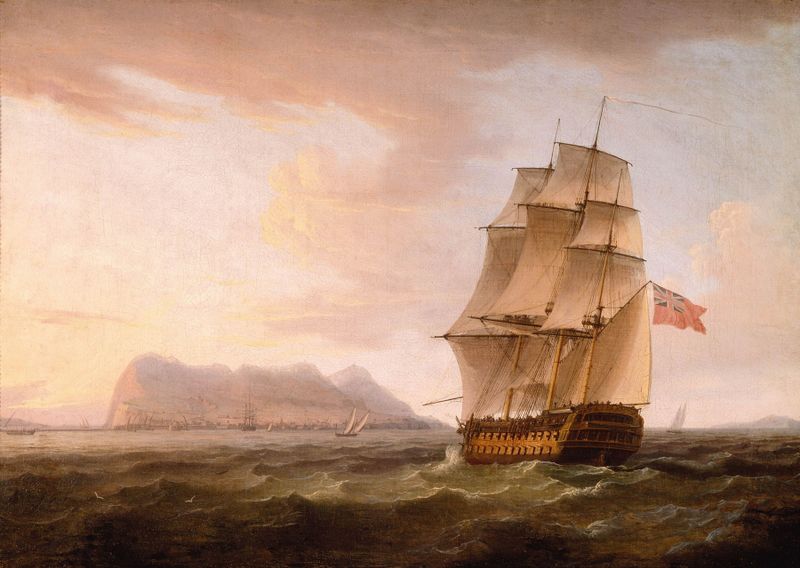
A British Man of War before the Rock of Gibraltar
Thomas Whitcombe
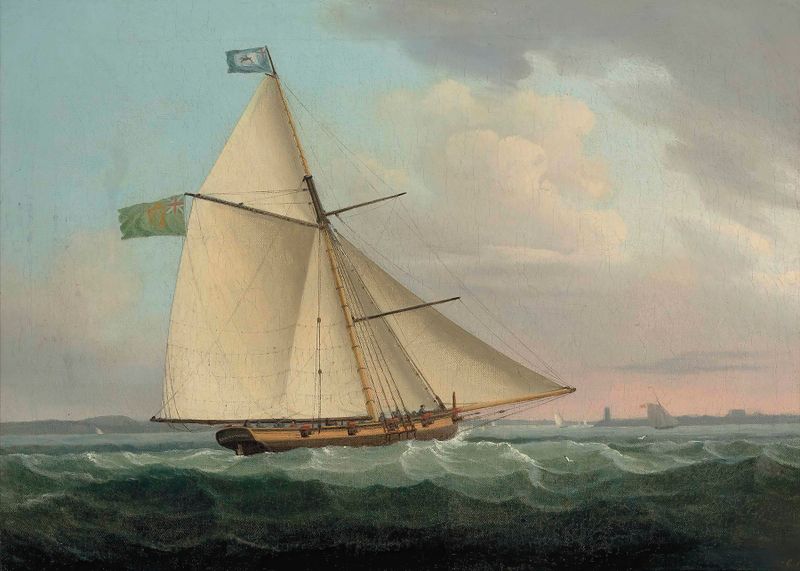
The Irish Postal Packet Earl Of Leicester, 10 Guns, Approaching Hook Head At The Entrance To Waterford Harbour
Thomas Whitcombe
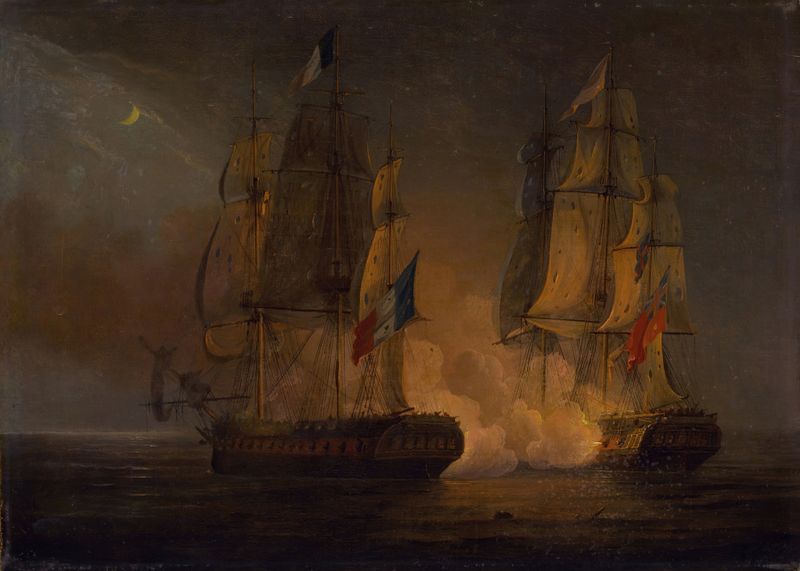
Engagement between HMS Amelia and French frigate l’Arethuse, off the Isles of Loss, 1813
Thomas Whitcombe
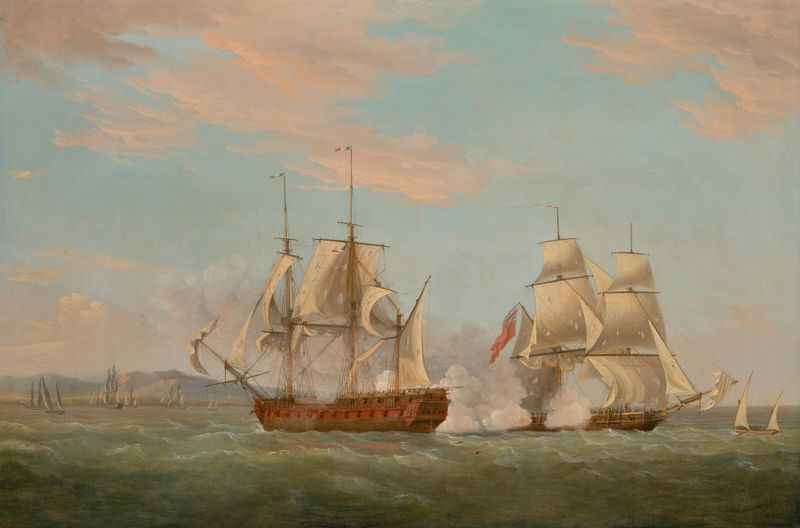
The Capture of the Genoese pirate vessel ‘Liguria’ by H.M. Brig ‘Espoir’, 7 August 1798
Thomas Whitcombe

‘Liguria’ being taken into Gibraltar by H.M. Brig ‘Espoir’, 7 August 1798
Thomas Whitcombe
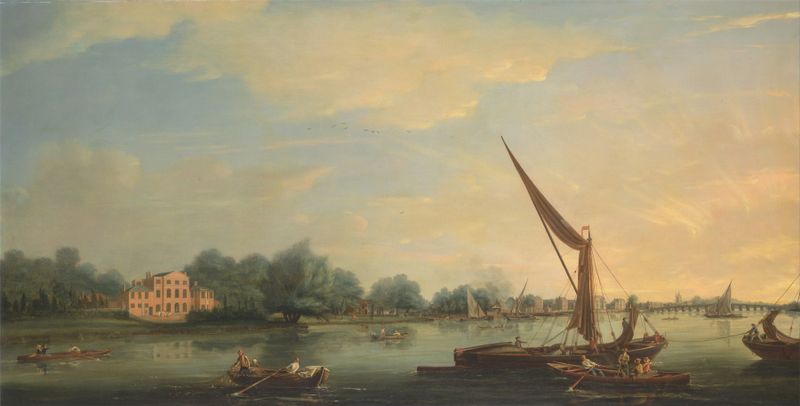
The Thames at Chelsea
Thomas Whitcombe

A Ship Running into Harbour with Other Craft at a Jetty
Thomas Whitcombe
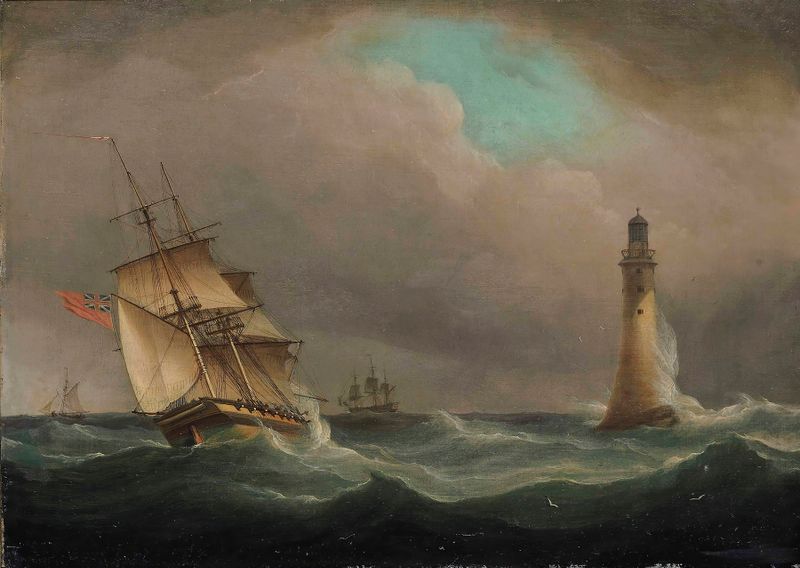
A Frigate Healing In The Breeze Off The Eddystone Lighthouse
Thomas Whitcombe





