
Rural Landscape — History & Facts
What if beauty was never meant to be finished? In the delicate brushstrokes of this work, we find a haunting exploration of solitude that speaks volumes beyond its tranquil exterior. Focus first on the horizon, where soft, rolling hills stretch into the distance, painted in muted greens and browns that evoke the stillness of a quiet afternoon. The sky above, a palette of pale blues and wispy whites, casts an ethereal light over the landscape. Notice how the trees stand sentinel, their branches slightly bowed as if burdened by an unseen weight, each stroke revealing the artist’s meticulous attention to the subtleties of nature.
The composition feels open yet confining, inviting us in while simultaneously emphasizing the isolation of the rural expanse. Beneath the surface lies a tension between beauty and emptiness. The vibrant colors, though peaceful, evoke a sense of longing — a reminder of the transient nature of joy and the permanence of solitude. The juxtaposition of the vastness of the landscape with the absence of human presence hints at a narrative of loneliness.
Each element harmonizes to form a poignant reflection on our connection to nature and the isolation that can accompany it. Herbert Crowley painted Rural Landscape between 1911 and 1924, a time when he was deeply engaged with the American art scene, influenced by the burgeoning modernist movement. Amidst the changing tides of artistic expression, he sought to capture the timeless beauty of rural life, weaving personal introspection into the broader narrative of post-World War I America.
More Artworks by Herbert Crowley
Browse all →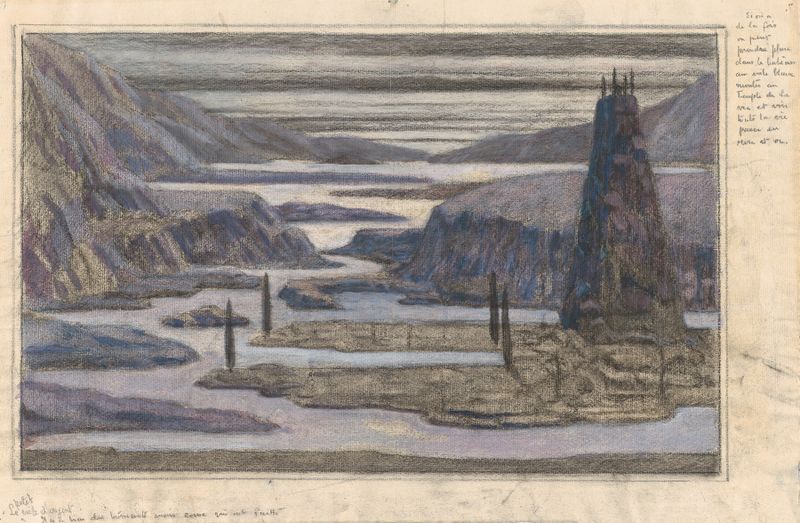
A Landscape
Herbert Crowley
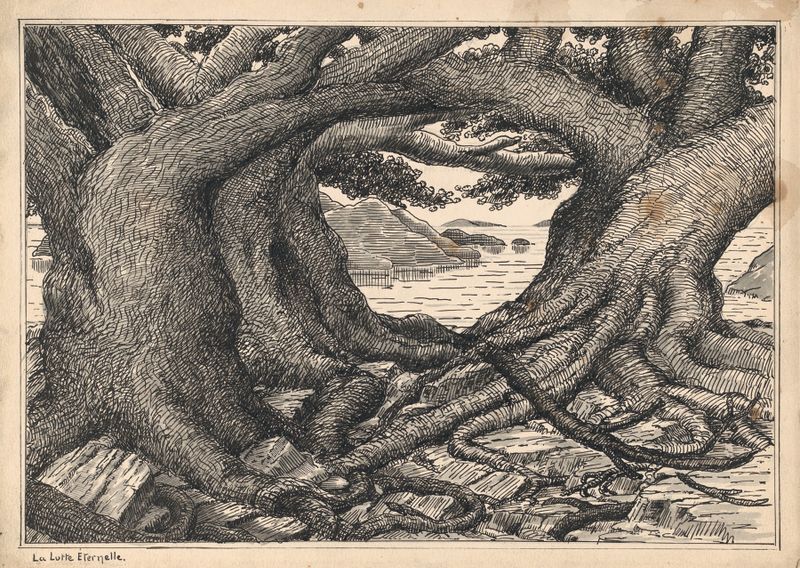
La Lutte Eternelle (The Eternal Struggle)
Herbert Crowley
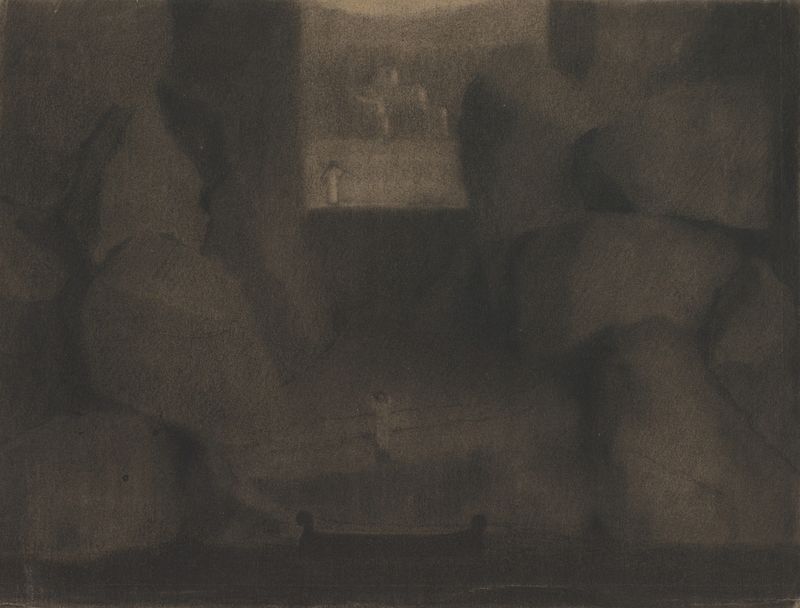
Arrival in a Dark Landscape
Herbert Crowley
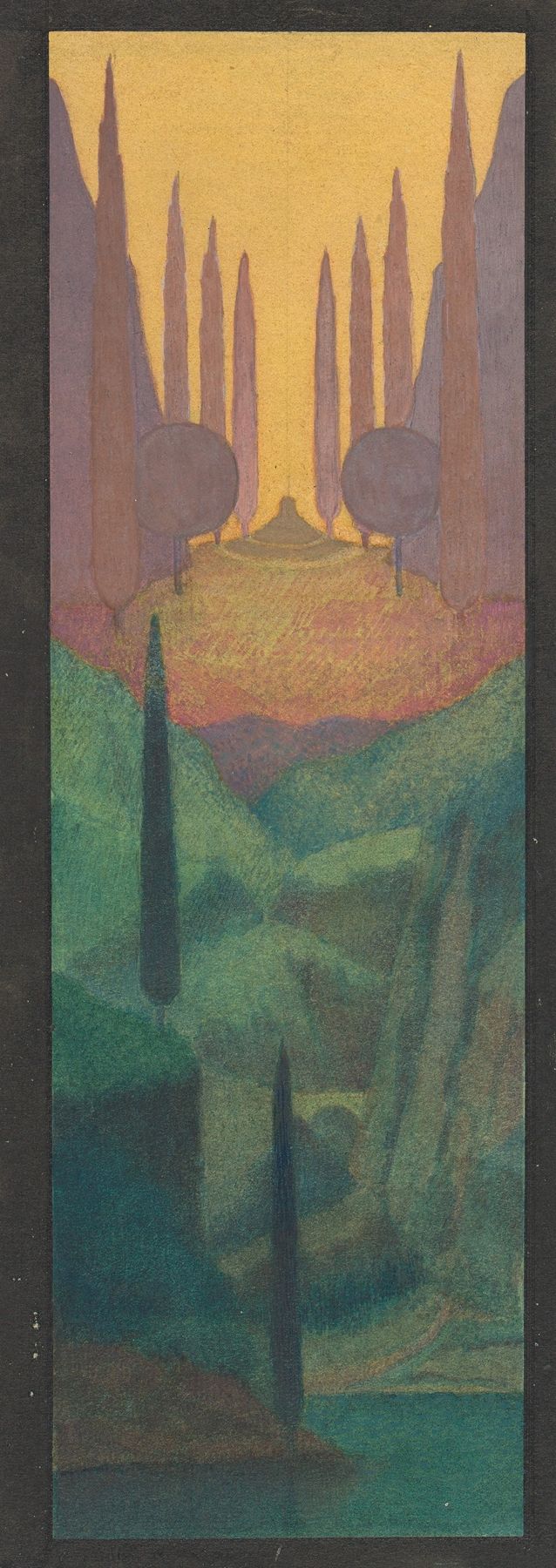
A Monument in a Mountainous Landscape
Herbert Crowley

A River Landscape with Steep Cliffs
Herbert Crowley

A Fantastic Tiered Structure
Herbert Crowley
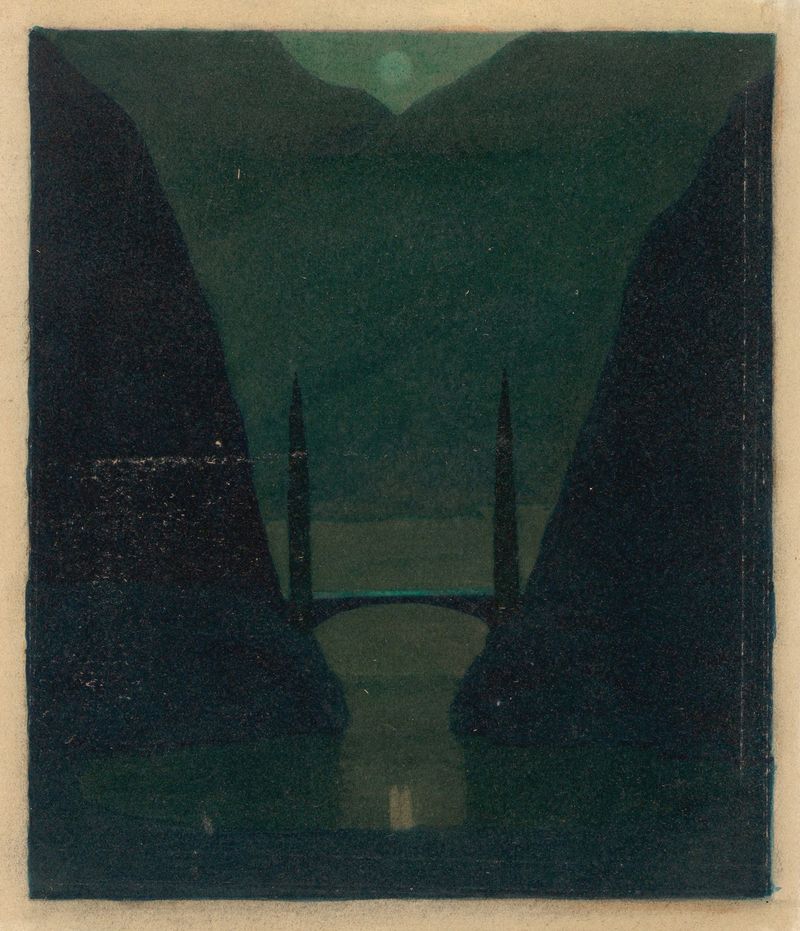
A Bridge in a Mountainous Landscape
Herbert Crowley
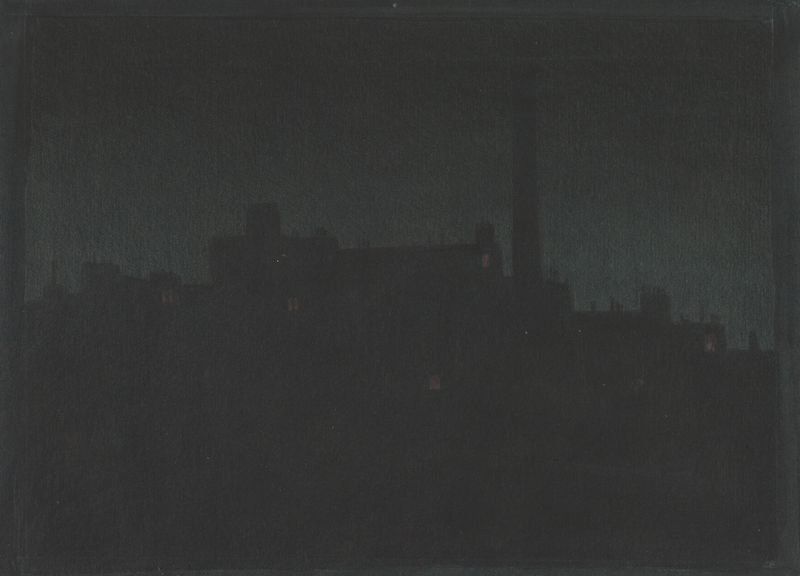
Industrial Buildings At Night
Herbert Crowley

Four Landscapes
Herbert Crowley

River Landscape with Rapids
Herbert Crowley





