
Saint Mark’s Venice, from the Doge’s Palace Colonnade — History & Facts
What secret hides in the quiet of the canvas? In a world bustling with chaos, the tranquility of serene spaces invites us to pause, reflect, and listen. Focus on the foreground, where the graceful colonnade arches lead your eyes towards the majestic Saint Mark's Basilica. Notice how the warm sunlight filters through the columns, creating gentle shadows on the cool stone floor. The palette of soft blues and greens harmonizes beautifully with the warm earth tones, conveying a sense of calm and inviting the viewer to step into this moment of peace. As you explore the painting further, observe the delicate interplay between light and architecture, suggesting the passage of time and history.
The stillness of the scene contrasts with the vibrant life that often fills this iconic square, hinting at the deep spiritual significance of the basilica. Each architectural detail, from the intricate carvings to the ornate domes, tells a story of devotion and artistry, underscoring the enduring bond between faith and culture. In 1843, while living in Venice, William Henry Lake Price painted this work during a period of profound transition in art, where traditional techniques began to blend with emerging romantic sensibilities. Amidst a backdrop of political change and rapid industrialization, he found inspiration in the timeless beauty of the city's historic architecture.
This painting not only captures a moment in time but also reflects the artist’s longing for a serene connection to the past.
More Artworks by William Henry Lake Price
Browse all →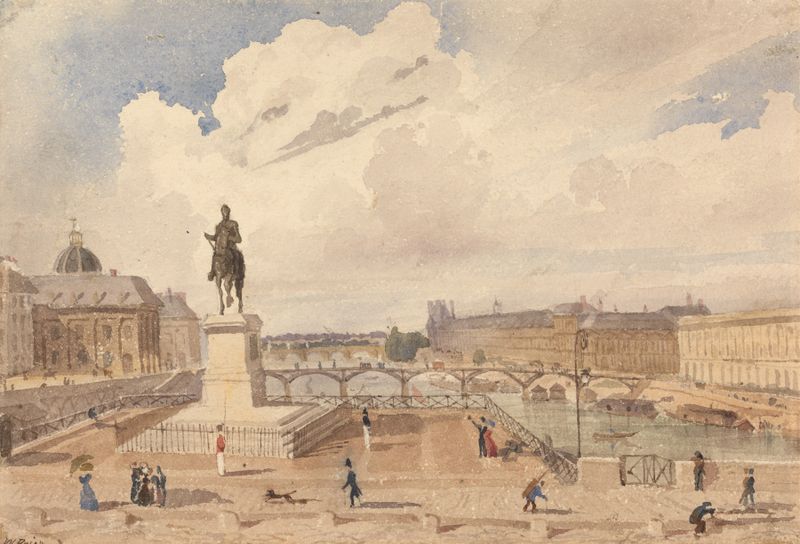
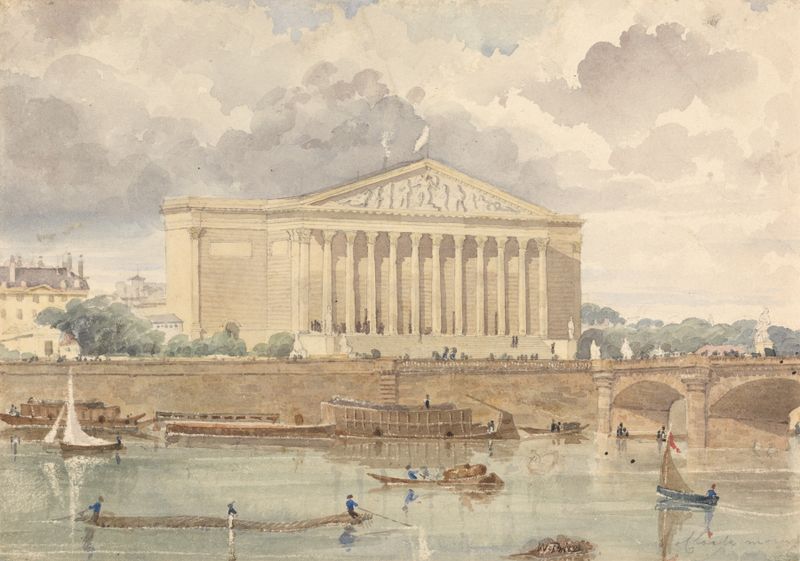
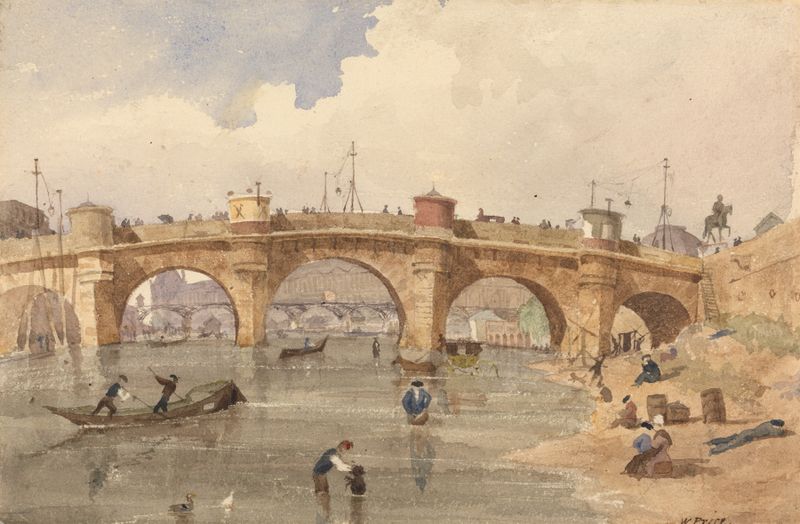
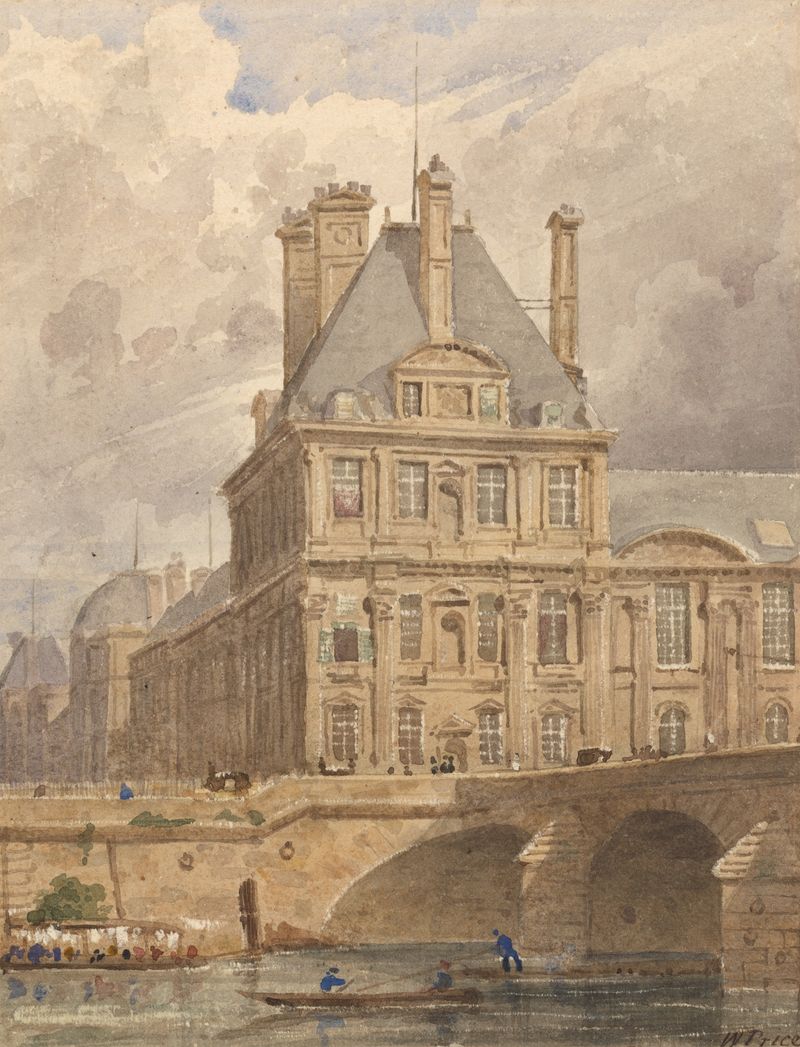
More Architecture Art
Browse all →
The statue of Liberty
Frédéric Auguste Bartholdi

View of Houses in Delft, Known as ‘The Little Street’
Johannes Vermeer

View of Houses in Delft, Known as ‘The Little Street’
Johannes Vermeer

The Cathedral in Rouen. The portal, Grey Weather
Claude Monet

The yellow house
Vincent van Gogh

The Church in Auvers-sur-Oise, View from the Chevet
Vincent van Gogh