
Shipwreck — History & Facts
Can paint confess what words never could? The haunting beauty of a shipwreck can speak to the heart in ways language struggles to capture. Look to the swirling chaos at the center, where the ship’s remnants intertwine with towering waves, a dance of destruction and grace. The vibrant blues and greens of the tempestuous sea contrast dramatically with the muted browns of the shattered vessel. Notice how the light breaks through the clouds, casting an ethereal glow on the water, illuminating the tragedy yet hinting at a sublime beauty within despair.
Each brushstroke invites you to explore the interplay of light and shadow, guiding your eye through the tumult. Within this scene lies a poignant tension between hope and ruin. The ship, once a vessel of adventure, now stands as a testament to vulnerability against nature's relentless power. Yet, amid the wreckage, the soft pastel hues of the sky suggest the dawn of a new beginning, a reminder of resilience.
The viewer is compelled to confront the fragility of existence, questioning what beauty can be found in the aftermath of disaster. In 1850, Danby painted this work during a period marked by Romanticism's embrace of nature's grandeur and terror. Living in England, he was influenced by the tempestuous relationships between man and the environment. This creation followed a personal struggle for recognition in the art world while also reflecting the broader societal fascination with the sublime, challenging viewers to confront their own feelings about beauty and loss.
More Artworks by Francis Danby
Browse all →
Funeral Procession
Francis Danby
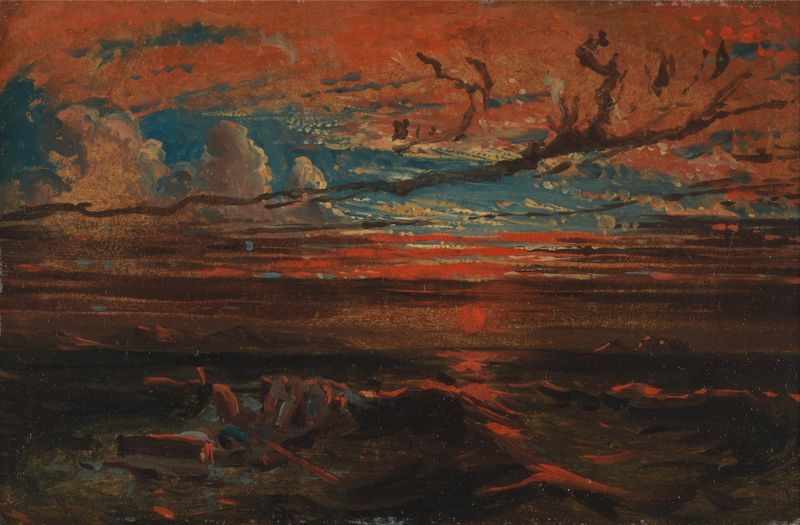
Sunset at Sea after a Storm
Francis Danby
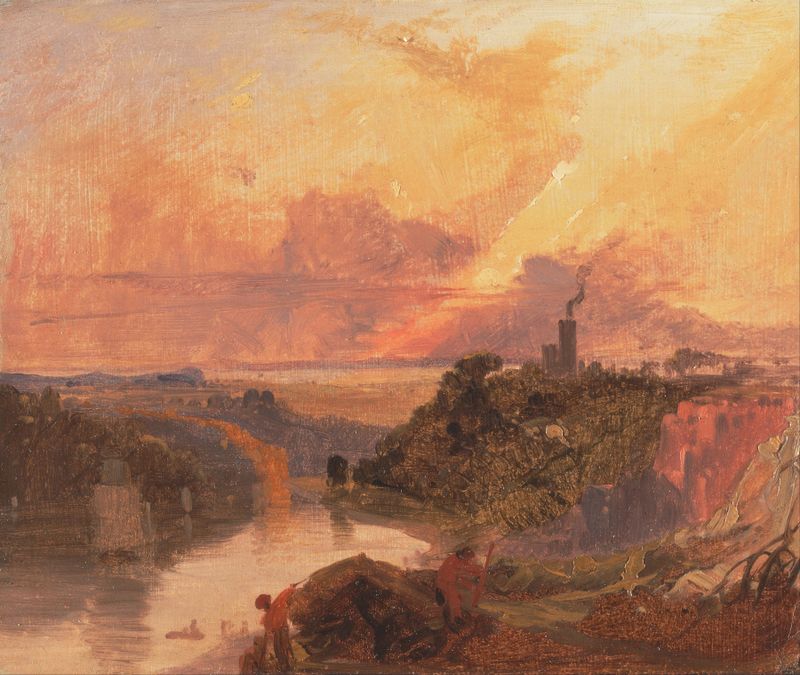
The Avon Gorge at Sunset
Francis Danby
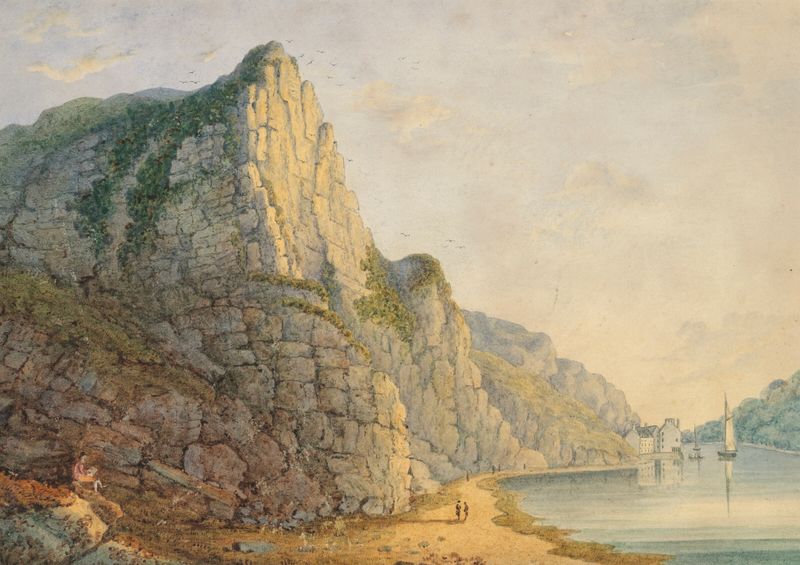
Hotwells in the Avon Gorge
Francis Danby

The Avon Gorge, Looking toward Clifton
Francis Danby

The Painter’s Holiday
Francis Danby
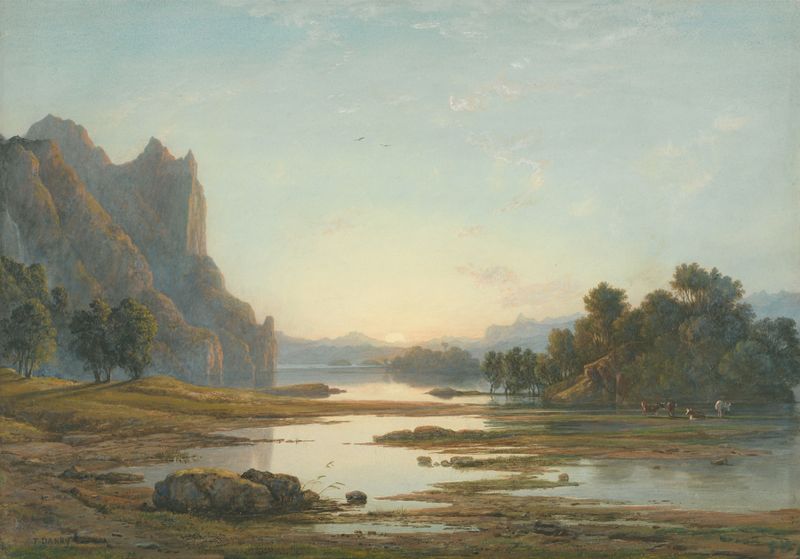
Sunset over a River Landscape
Francis Danby

Saint Vincent’s Rocks and the Avon Gorge
Francis Danby

An estuary at sunset with a moored fishing boat in the foreground
Francis Danby

Burning of an Old Boat
Francis Danby





