San Giorgio Maggiore, Venice — History & Facts
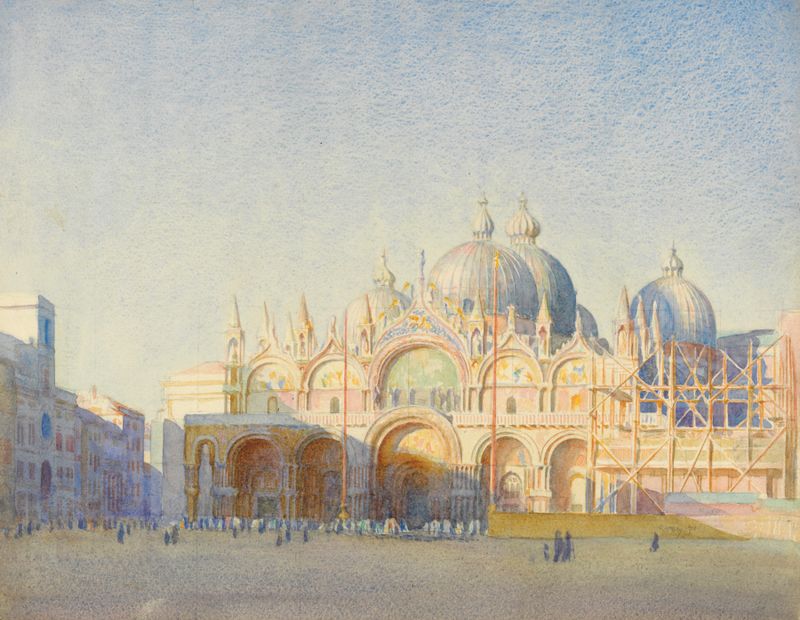
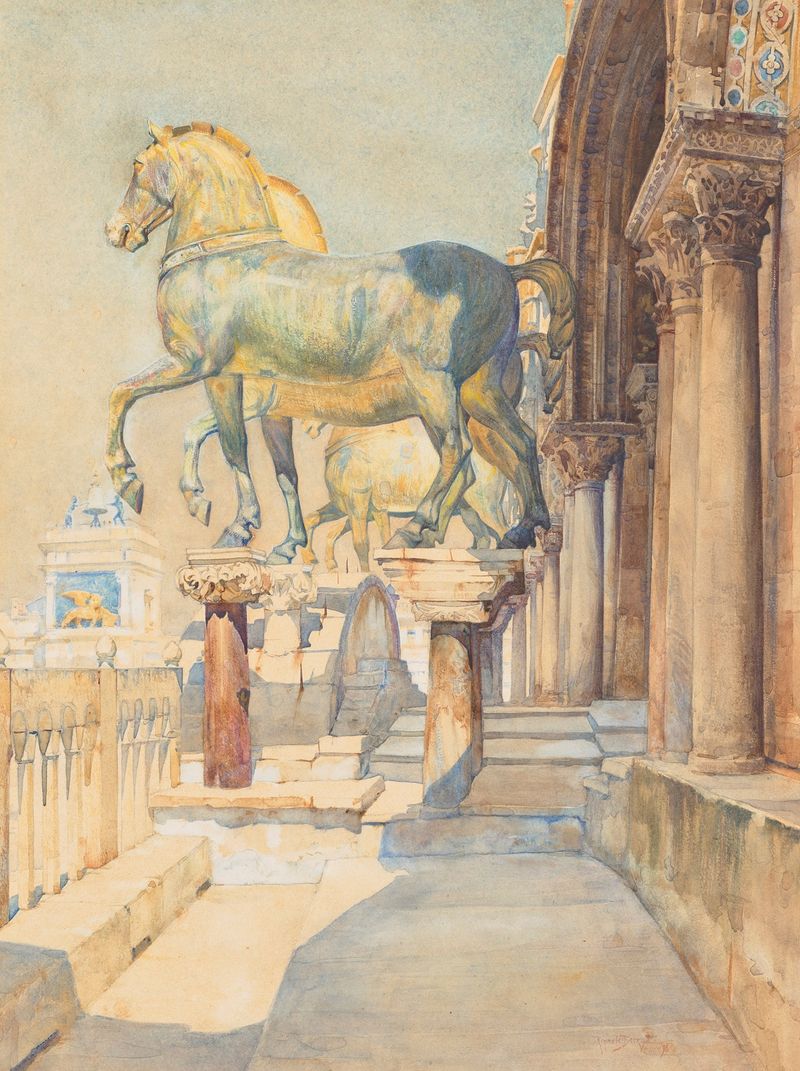
Could a single brushstroke hold eternity? In San Giorgio Maggiore, Venice, the delicate interplay of light and shadow captures a moment of serene balance, echoing the timeless beauty of this iconic location. Look to the left at the soft glow of the church’s dome, bathed in warm sunlight. The subtle gradation of color draws your eye, leading it from the radiant sky to the tranquil water’s surface below. Notice how the artist employs gentle brushwork to create waves that ripple softly, reflecting the sky and enhancing the sense of harmony in the composition.
Each stroke seems intentional, merging the architectural grandeur with the peaceful ambiance of the Venetian lagoon. As you absorb the scene, consider the emotional contrasts present in the artwork. The calmness of the water juxtaposes the stately presence of the church, a symbol of faith amidst the ever-changing tides of life. The cool blues and warm yellows suggest a fleeting moment—the balance of day and night, reflection and reality, stability and transience.
These tensions resonate deeply, inviting the viewer to contemplate the coexistence of stillness and movement. In 1902, Reginald Barratt created this work while residing in Venice, a city that had captivated artists for centuries. At a time when Impressionism was flourishing, Barratt sought to capture both the physical and spiritual essence of his surroundings. His focus on light and atmosphere reflected the broader artistic movement, and his work contributes to the rich tapestry of interpretations of Venice’s enchanting landscapes.