Sandham, Isle of Wight — History & Facts
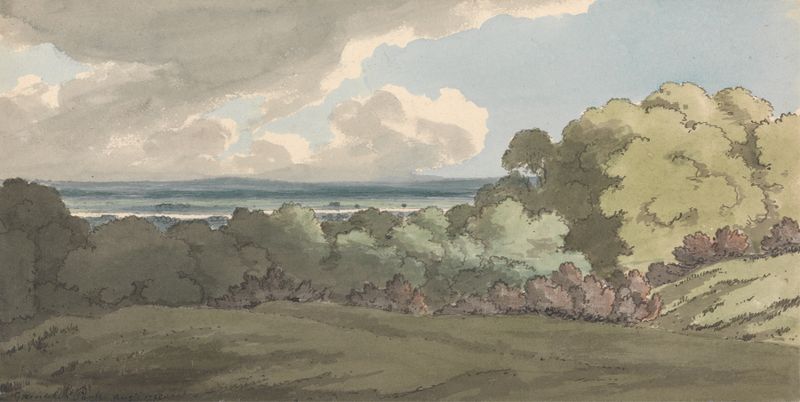
When did color learn to lie? In a world painted with longing, every hue whispers secrets of nostalgia and desire, urging us to seek the stories hidden within. Look to the horizon where the gentle blues of the sea bleed into a soft, muted sky, pulling your gaze outward. Notice how the delicate brushstrokes create a sense of movement, evoking not just the landscape but the very essence of time. The palette, filled with dusky purples and warm ochres, resembles a fading memory, inviting introspection.
The composition remains balanced but not stagnant, suggesting a fleeting moment barely captured, as if the clouds and water conspire to shift just out of reach. Delve deeper into the interplay between light and shadow — the tension within the painting speaks of yearning, an unfulfilled desire for connection with a place or time long past. The ethereal quality of the clouds suggests both beauty and transience, a reminder of how quickly life can change. Each stroke offers a glimpse of the artist's own emotional landscape, where the charm of the Isle of Wight becomes a metaphor for unattainable dreams. During the period when this piece was created, William P.
Sherlock was immersed in the late 19th-century British art scene, a time marked by a growing fascination with landscape painting and the exploration of natural beauty. The artist's focus on the Isle of Wight reflects not just regional pride, but also a desire to capture the fleeting moments of serenity in a transforming world, where the industry and urbanization began to encroach upon nature's paradise.