
Santa Cruz Mts., Monterey Bay, Pacific Ocean — History & Facts
When did color learn to lie? In the vibrant spectrum of nature, hues often weave tales that both illuminate and obscure, whispering secrets of transformation and evanescence. Focus on the lush greens and blues that dominate the canvas, drawing the eye to the undulating hills and the vast expanse of the ocean. The interplay of light and shadow reveals a textured landscape, where the brushstrokes pulse with life. Notice how the clouds float above, painted with an almost ethereal quality, merging seamlessly with the horizon.
The composition invites a sense of exploration, each stroke a narrative thread that guides you deeper into the scene. Hidden within this idyllic view lies a juxtaposition of permanence and transience. The tranquil sea contrasts with the fleeting wisps of clouds, evoking a sense of time’s passage. The vibrant palette not only celebrates the beauty of the Pacific but also hints at the transformative power of nature — how it can alter one’s perception and evoke deeper feelings of nostalgia and freedom.
Each color breathes a story of change, suggesting that what we see is but a moment captured, a fleeting glimpse of a broader existence. In 1874, John Ross Key painted this piece during a time when the American art scene was evolving, moving towards a greater appreciation for landscape painting. Living in California, he was part of a burgeoning movement that embraced the natural beauty of the West. This work reflects his personal journey and the tension of an era where artists sought to capture the sublime, amidst the rapid changes of a nation in flux.
More Artworks by John Ross Key
Browse all →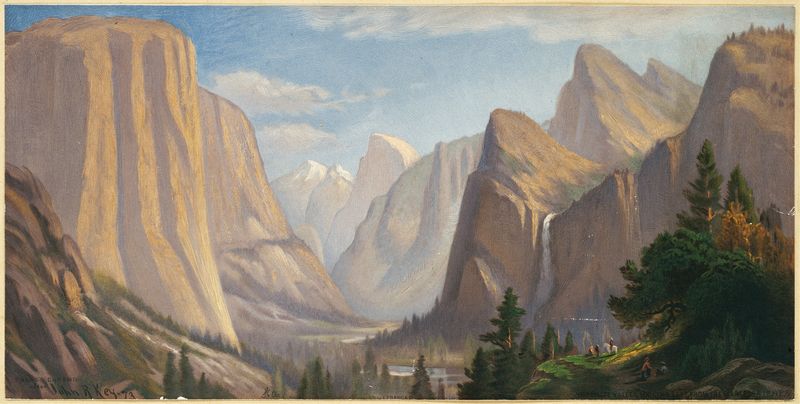
Yosemite Valley, Looking East from the Mariposa Trail
John Ross Key
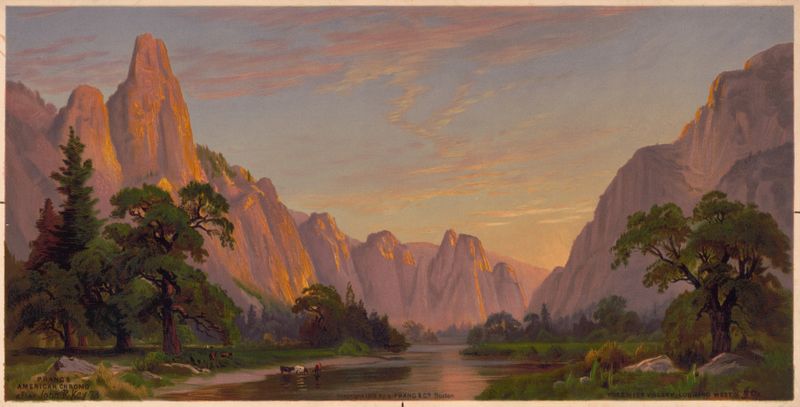
Yosemite Valley looking west
John Ross Key
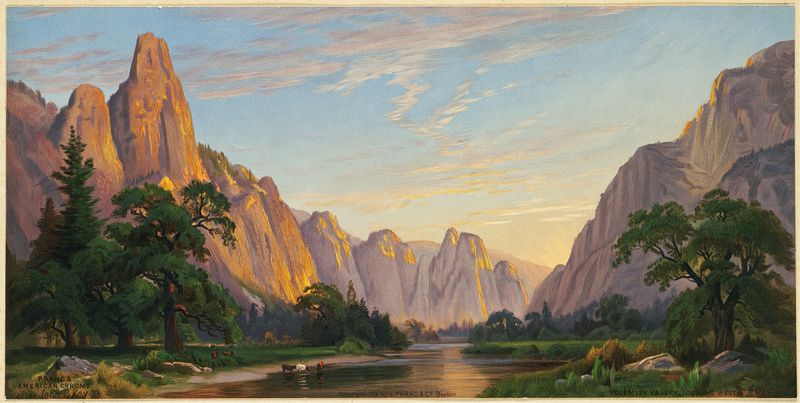
Yosemite Valley, Looking West
John Ross Key

Redwood Trees, Santa Cruz Mts., Cal
John Ross Key
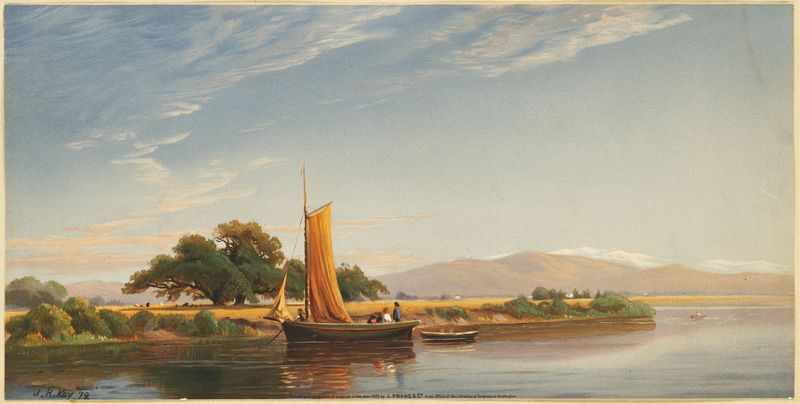
Sacramento Valley
John Ross Key

Yosemite Valley looking east from the Mariposa Trail
John Ross Key

Lake Tahoe, Looking Southwest
John Ross Key

Afternoon on the Lake
John Ross Key
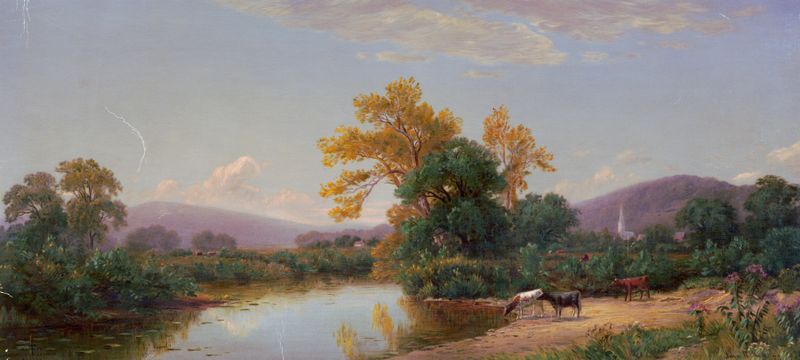
Allegaheny Mt., Md.
John Ross Key
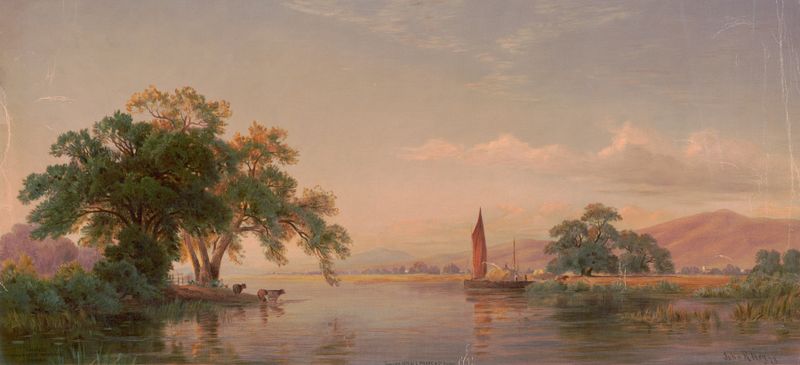
Santa Clara Valley, California
John Ross Key





