Saule pleureur près d’une rivière — History & Facts
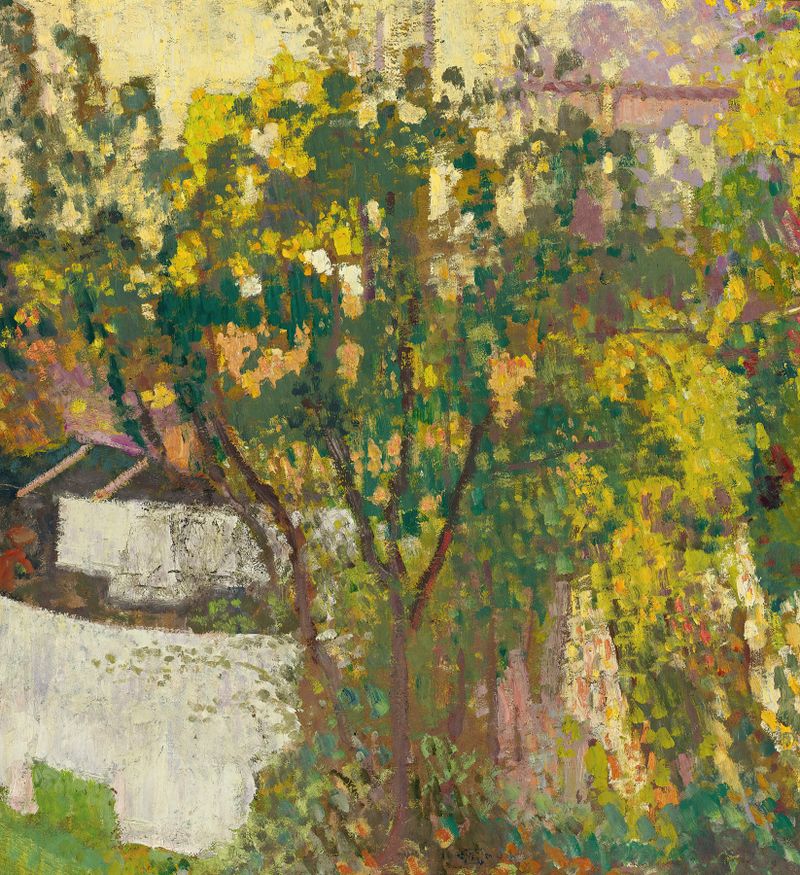
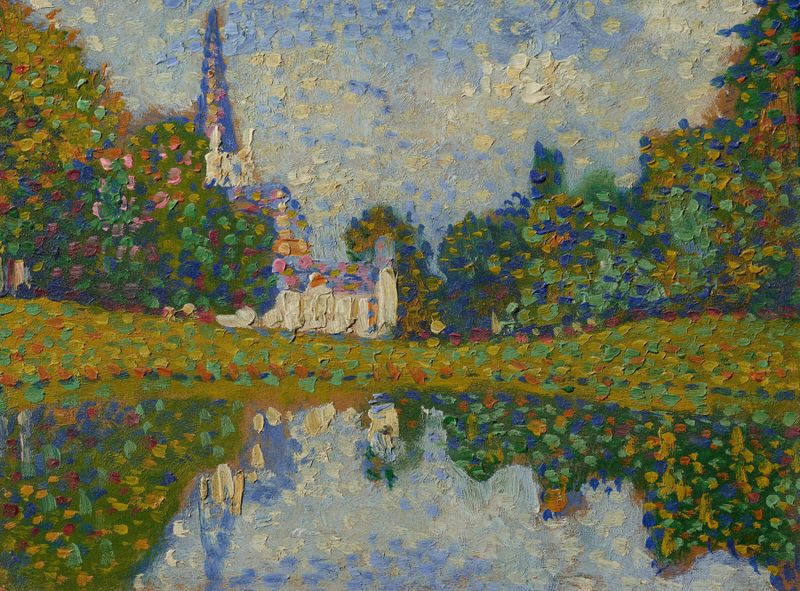
Can paint confess what words never could? In Saule pleureur près d’une rivière, the canvas breathes life into the themes of rebirth and renewal, inviting viewers to contemplate the whispers of nature and the passage of time. Look to the foreground, where a weeping willow stretches its graceful branches, echoing the flowing movement of the river beside it. Soft, verdant greens contrast with the muted blues of the water, creating a serene atmosphere that invites introspection. The brushstrokes are delicate yet deliberate, allowing texture to emerge in the foliage, while dappled light filters through, casting playful shadows that dance across the scene.
The composition is thoughtfully balanced, guiding the eye toward the horizon where the gentle curve of the river suggests endless possibilities. There’s a poignant tension in the juxtaposition of the willow’s drooping branches and the vibrant landscape surrounding it. While the tree may symbolize sorrow or nostalgia, it simultaneously stands as a testament to resilience, rooted firmly yet reaching outward. The play of light over water reflects not just the physical world but also a deeper emotional landscape, where moments of grief can flow into renewal.
Each element within the canvas holds layers of meaning, urging the viewer to reflect on their own cycles of loss and growth. Georges Lemmen painted this work during a period marked by a transition in the art world, where Impressionism was beginning to settle into more defined movements. Created in the late 19th century, Lemmen’s exploration of color and light reflects his engagement with the avant-garde conversations of his time, as well as a personal quest for expression amid the evolving narratives of life and nature.