Discover insights about this artwork
Saying Grace — History & Facts
In Saying Grace, Jean Siméon Chardin presents a warm domestic scene. The painting features a family gathered around a table, heads bowed in prayer. Soft, muted colors dominate the composition, creating a serene atmosphere.
The light gently illuminates the figures and the simple meal before them, emphasizing the moment of gratitude. Chardin's technique showcases his skill in capturing textures and light. The brushwork is delicate, with careful attention to detail in the clothing and the objects on the table. The composition is balanced, drawing the viewer's eye to the central act of saying grace.
This painting exemplifies Chardin's ability to convey emotion through everyday moments. Jean Siméon Chardin was a prominent French painter known for his still lifes and genre scenes. Created in the 1740s, Saying Grace reflects the Rococo style's focus on intimate domestic life. An interesting fact about this work is its ability to elevate a simple act of gratitude into a profound moment of connection among family members.
Chardin's works often highlight the beauty of ordinary life, making them timeless in their appeal.
More Artworks by Jean Siméon Chardin

The White Tablecloth
Jean Siméon Chardin
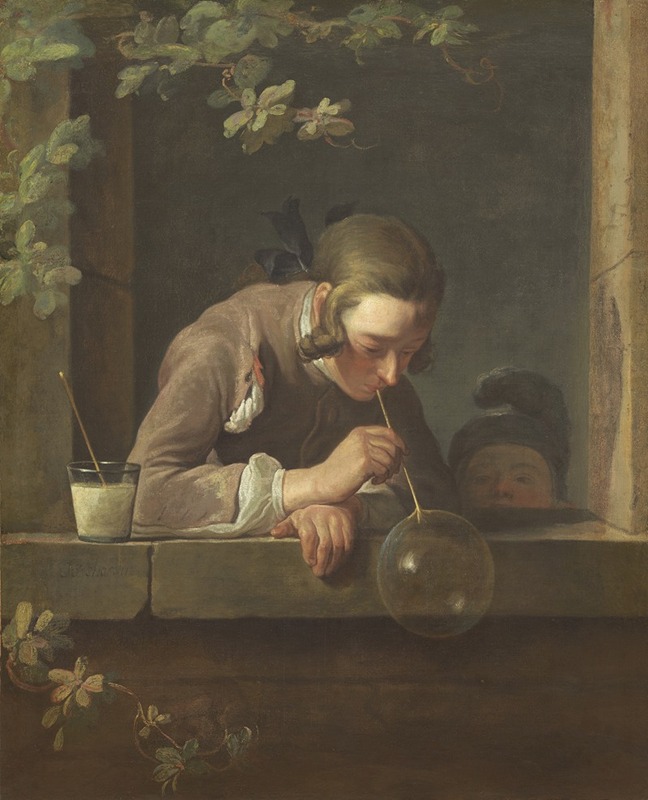
Soap Bubbles
Jean Siméon Chardin
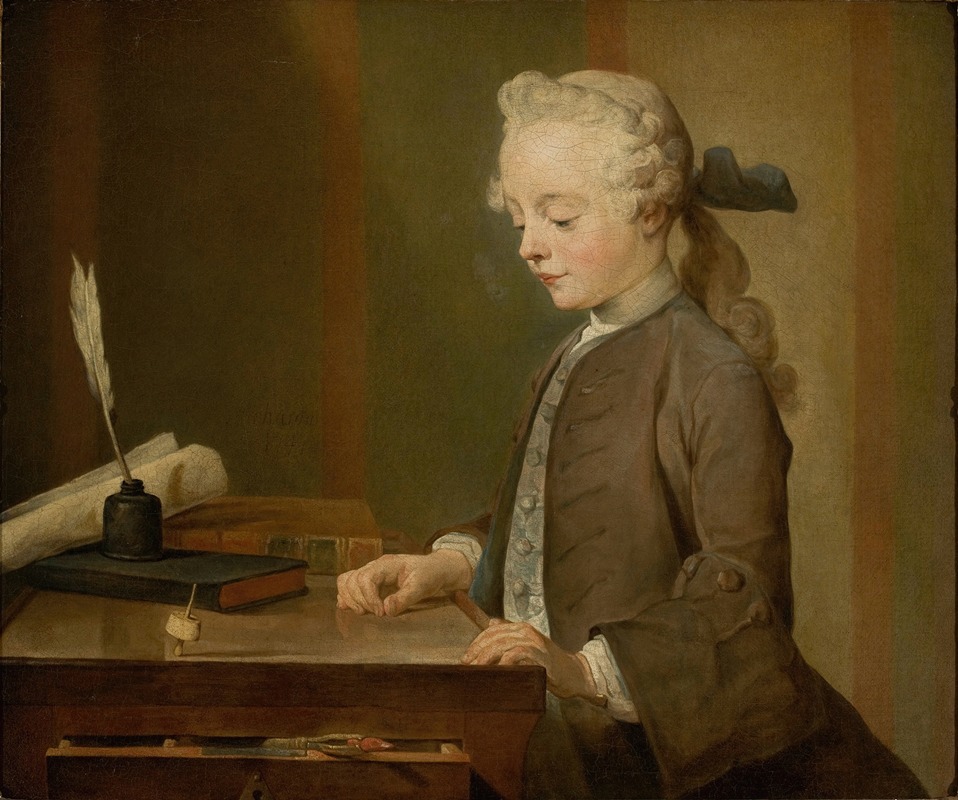
Portrait of Auguste Gabriel Godefroy
Jean Siméon Chardin
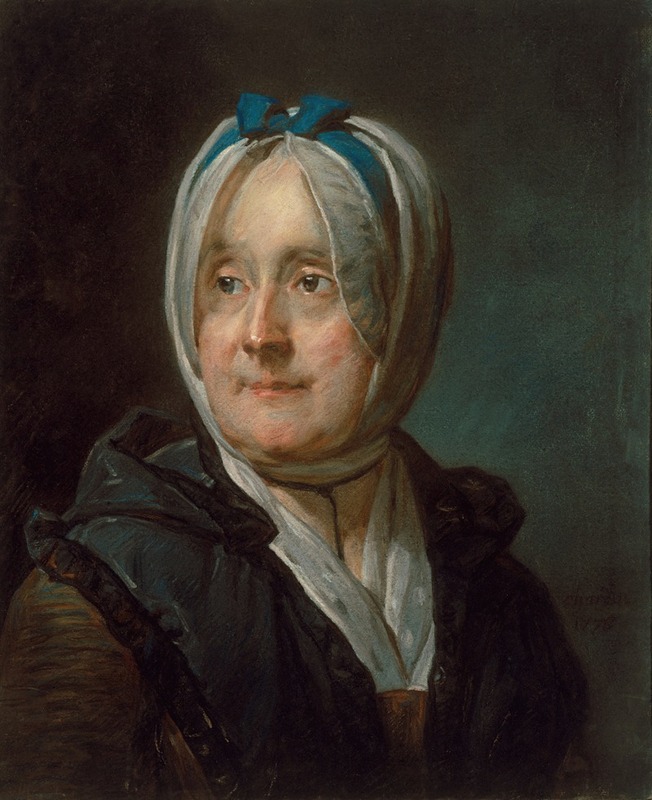
Portrait of Madame Chardin
Jean Siméon Chardin
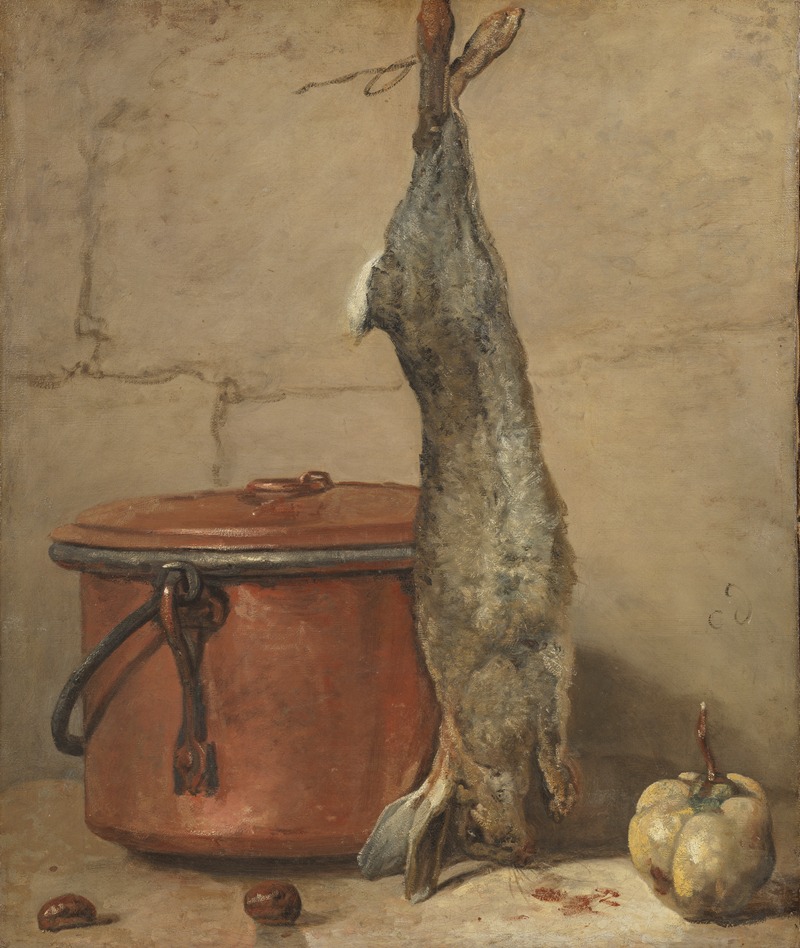
Rabbit and Copper Pot
Jean Siméon Chardin
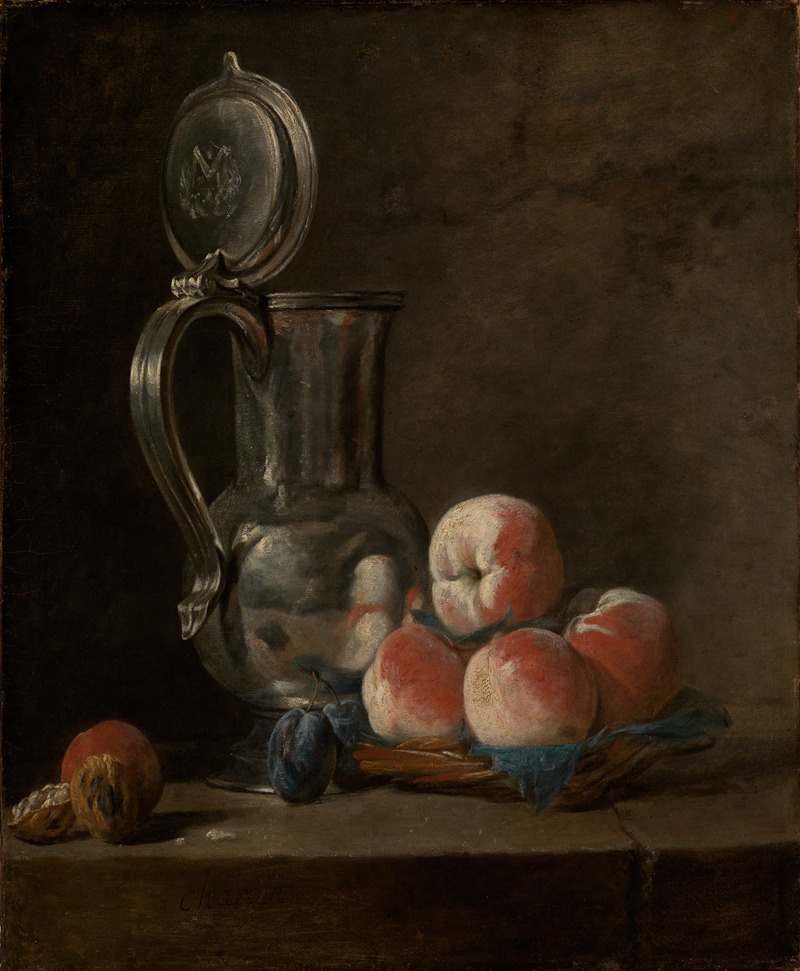
Still life with pewter jug and peaches
Jean Siméon Chardin
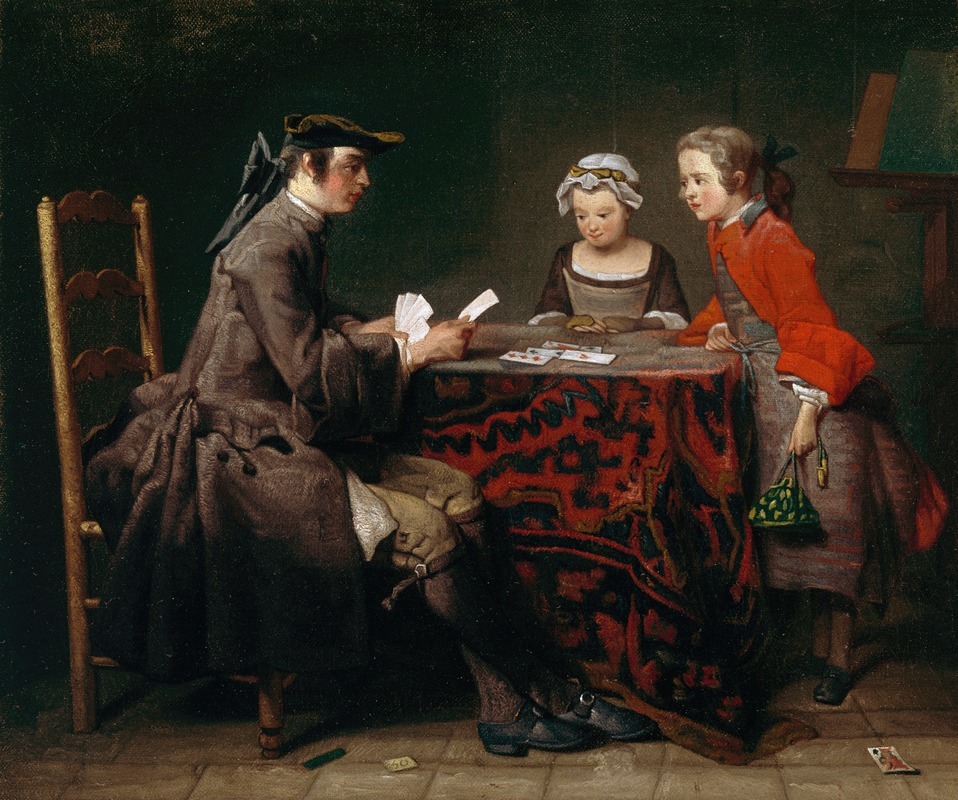
Les Tours de Cartes
Jean Siméon Chardin
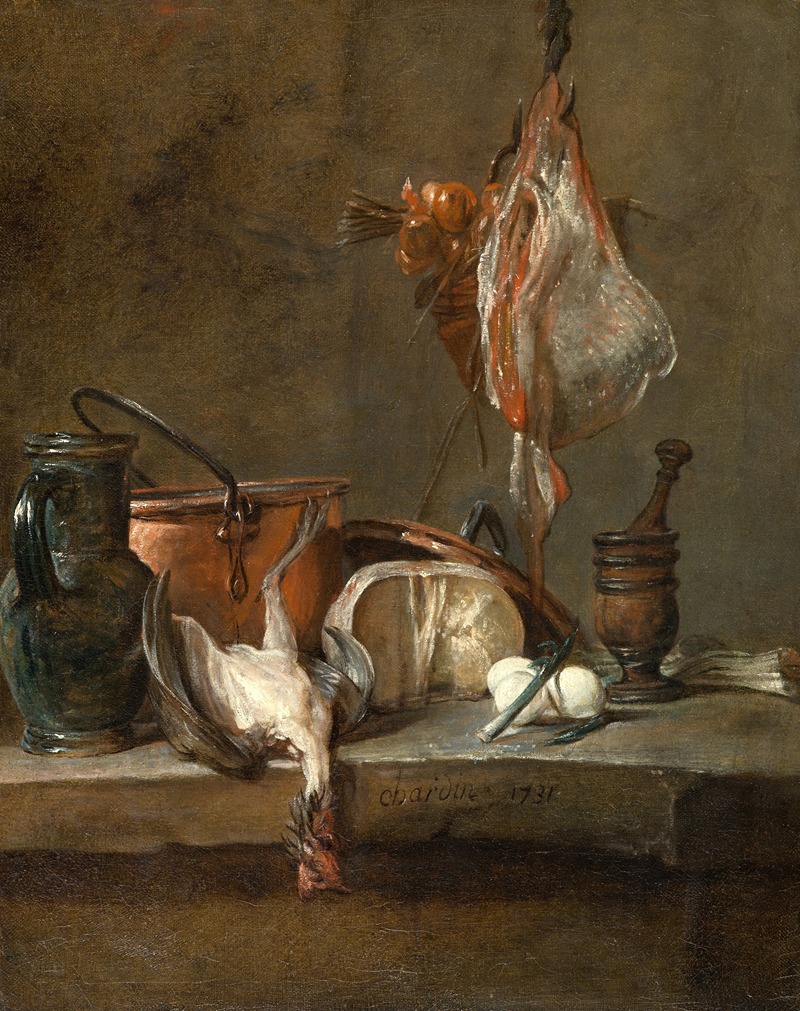
Still Life with Ray and Basket of Onions
Jean Siméon Chardin
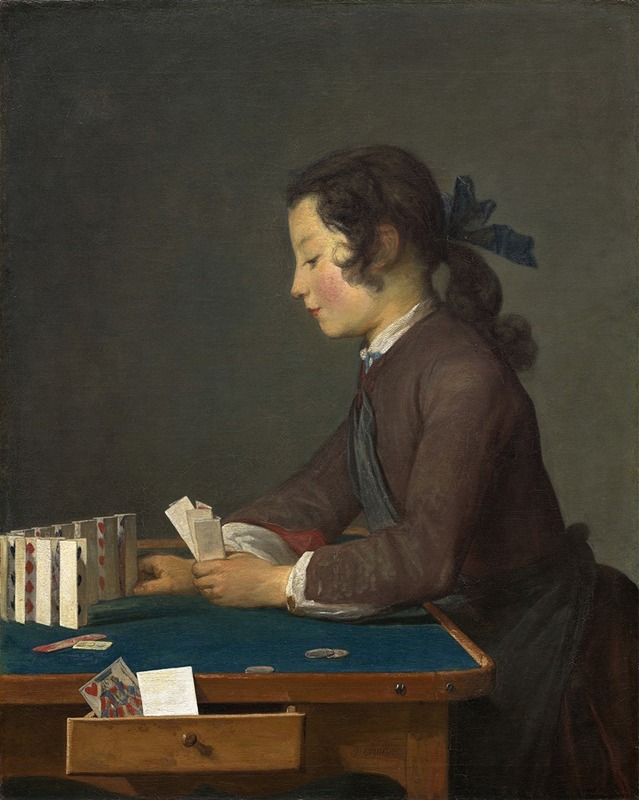
The House of Cards
Jean Siméon Chardin
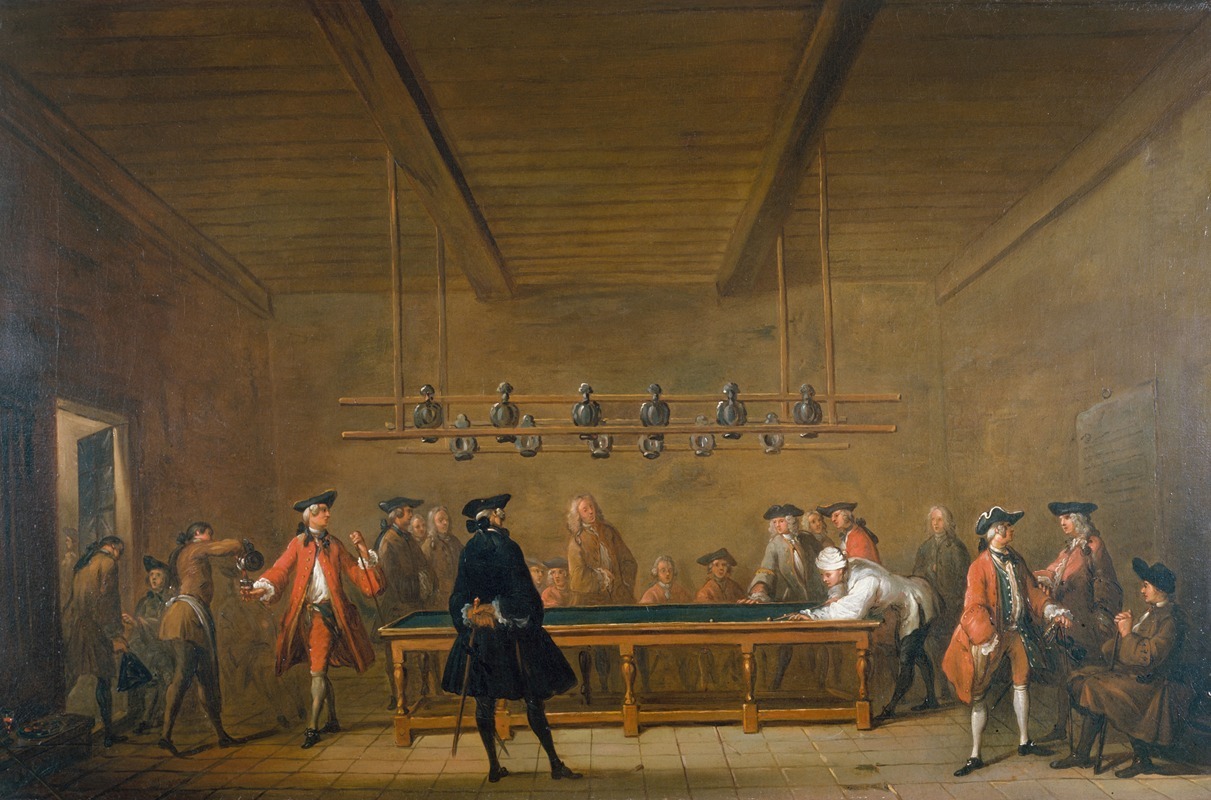
La Partie de billard
Jean Siméon Chardin