
Scene in the Catskills — History & Facts
In that silence, a revelation emerges, inviting us to explore the depths of nature and the human spirit. Look to the left at the gently rolling hills, vibrant with strokes of emerald and gold, where sunlight filters through the trees. Notice how the painter captures the essence of the Catskills, using dappled light to create a sense of tranquility. Each brushstroke seems deliberate, revealing a symphony of textures from the rough bark of the trees to the soft ripples of the nearby stream, guiding the viewer’s gaze toward a serene dialogue between land and sky. The painting holds contrasting emotions within its serene landscape.
The idyllic setting may suggest peace, yet there is a palpable sense of isolation, as if the viewer is intruding upon a moment meant for solitude. Observe the absence of figures, amplifying the solitude of the natural world, while the lushness evokes a yearning for connection—a hidden tension between the beauty of nature and the loneliness that often accompanies it. This artwork emerged in 1872 when the artist was likely influenced by the transcendentalist movement, which emphasized the beauty and spirituality within nature. During this period, many artists sought to express the American landscape’s grandeur and its profound impact on the human soul.
The Catskills, a popular retreat for urban dwellers, symbolized a return to simplicity and introspection amid the burgeoning industrial age, a theme that resonates deeply in this captivating piece.
More Artworks by Unknown Artist
Browse all →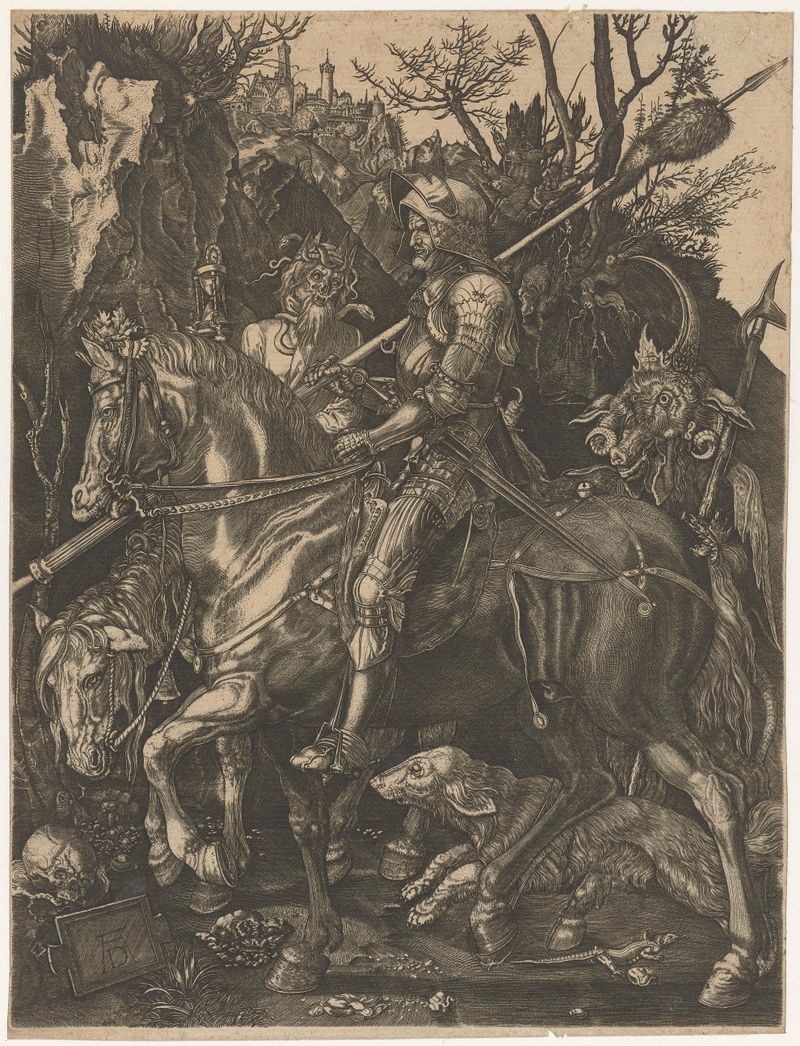
Ridder, Dood en Duivel
Unknown Artist
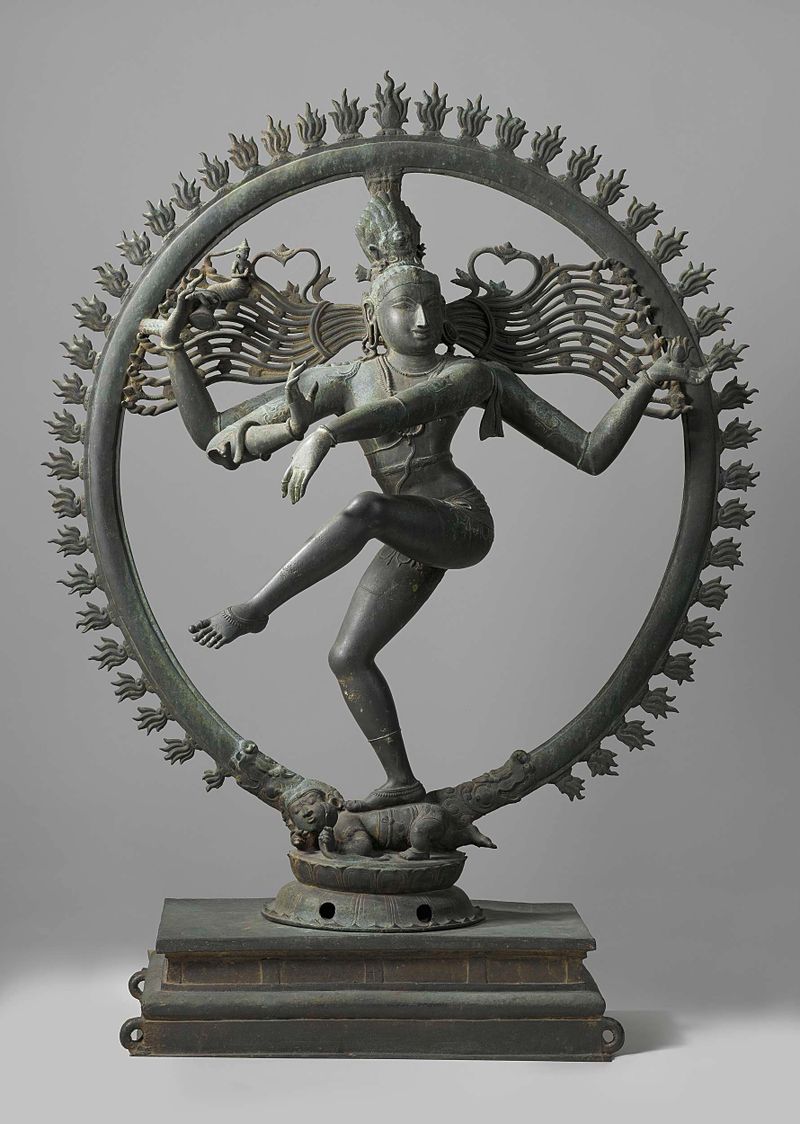
Shiva Nataraja
Unknown Artist
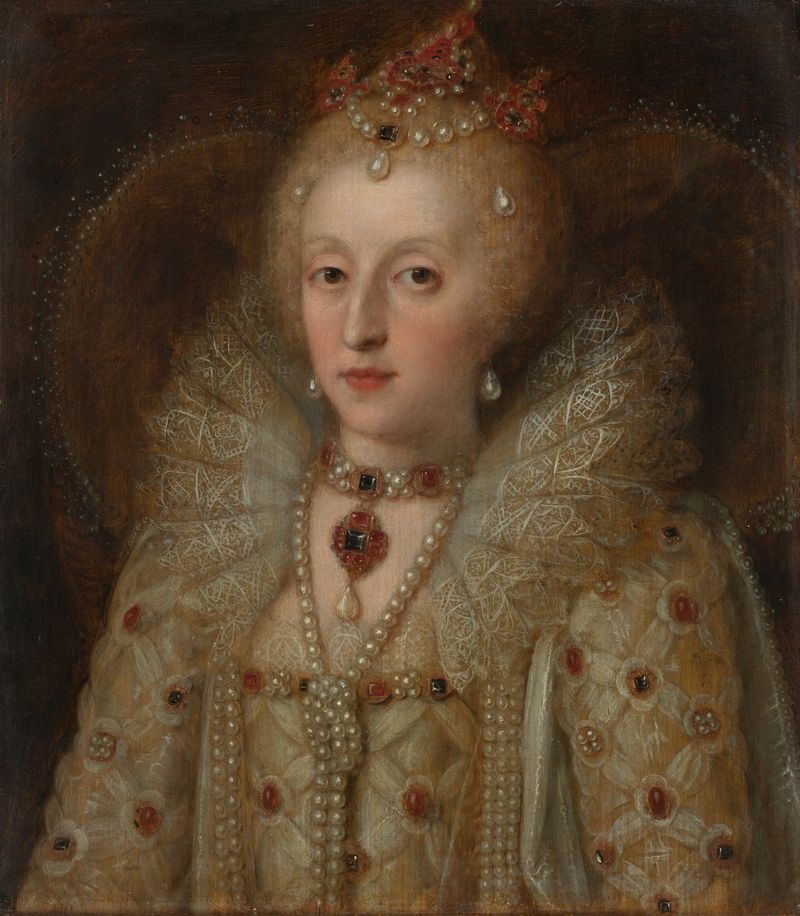
Portrait of Elizabeth I, Queen of England
Unknown Artist
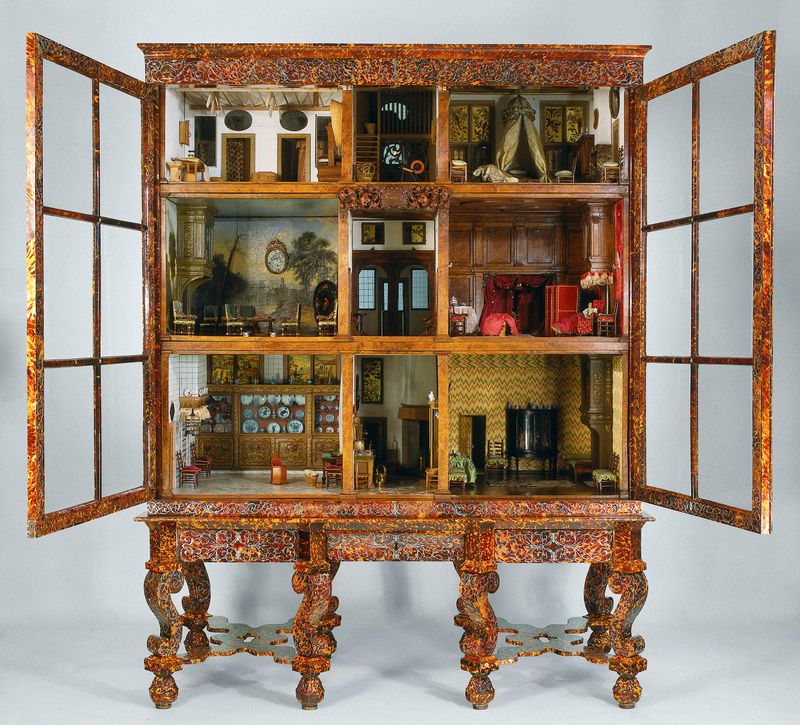
Dolls’ house of Petronella Oortman
Unknown Artist
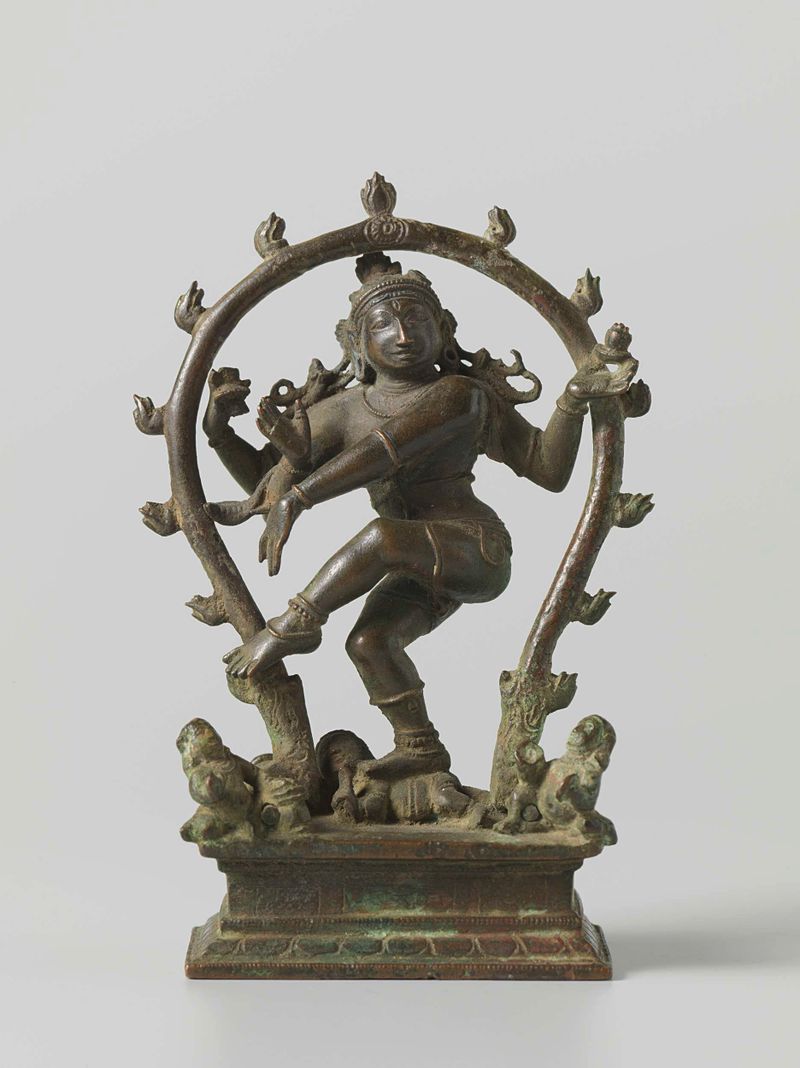
Shiva Nataraja
Unknown Artist

The Tale of Genji
Unknown Artist

The Tale of Genji
Unknown Artist
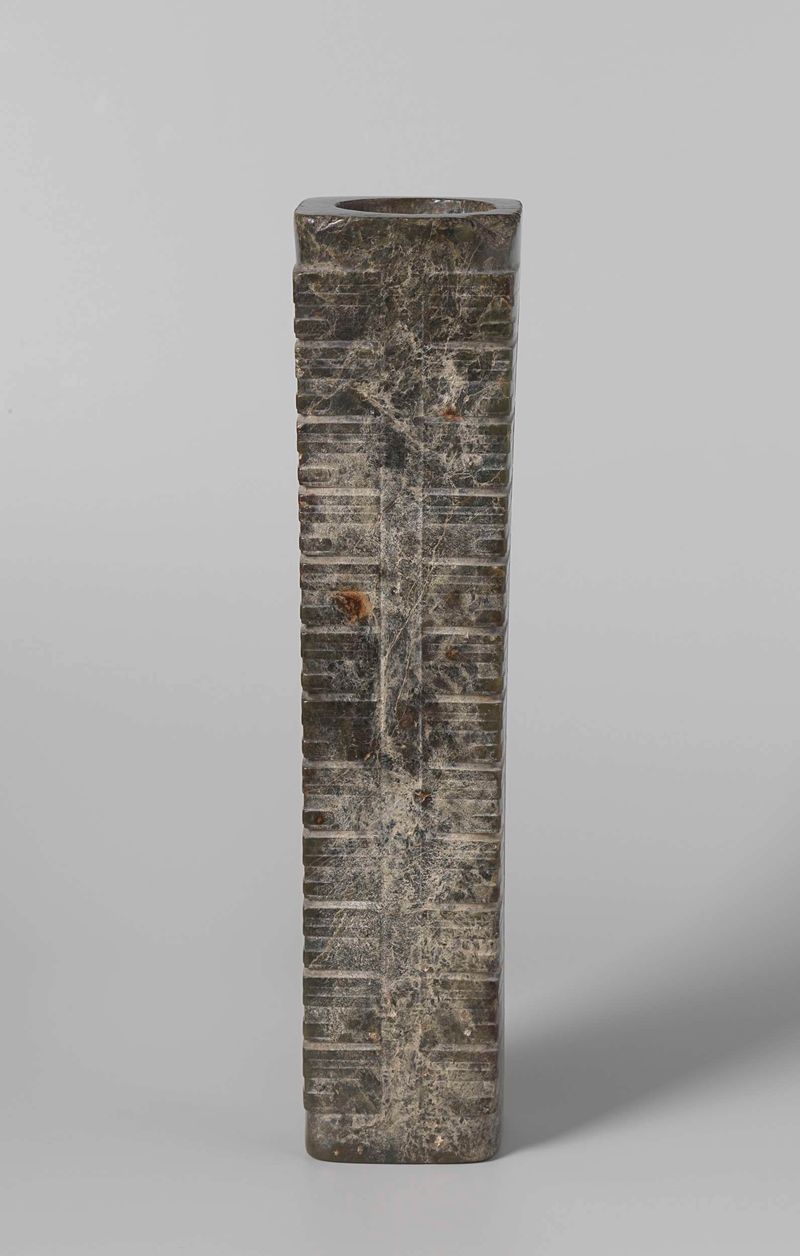
Cong
Unknown Artist
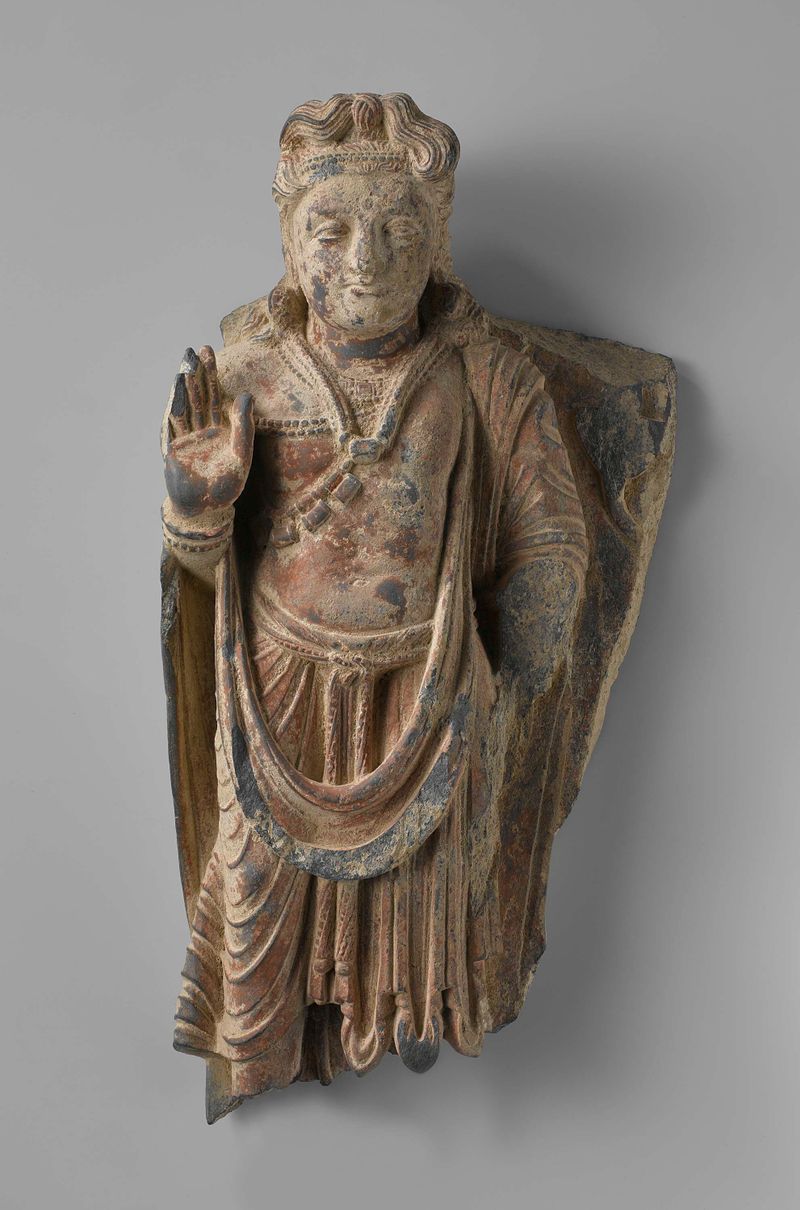
The bodhisattva Maitreya
Unknown Artist
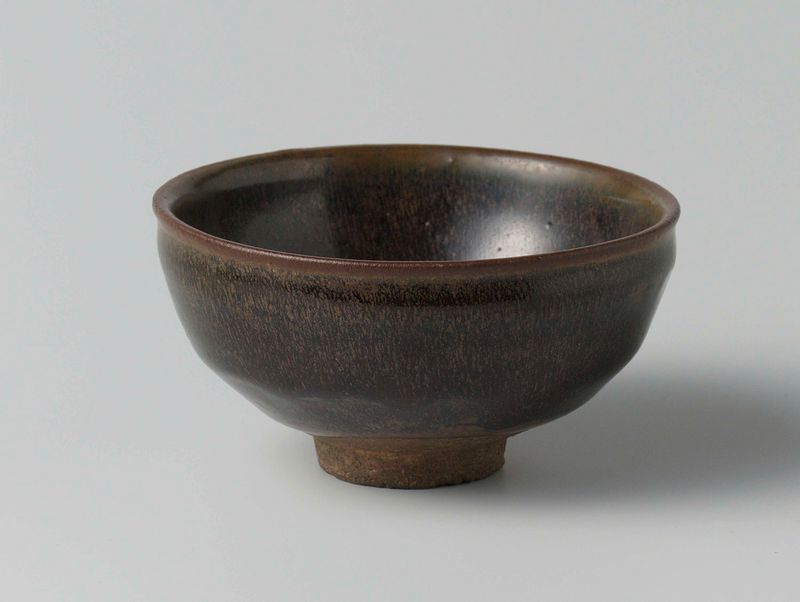
Teabowl with a 'hare's fur' glaze
Unknown Artist





