
Schafe Am Sentier Des Saules — History & Facts
This sentiment resonates deeply within the soft undulations of nature, where divinity and despair intertwine, revealing the fragile essence of existence. Focus on the meticulously rendered sheep grazing peacefully, their woolly forms contrasting against the backdrop of an expansive, serene landscape. Look to the left, where the gentle curves of the hills rise to meet a luminous sky, painted in soft pastels that evoke a sense of tranquility. Notice how the light falls upon the sheep, casting delicate shadows that suggest movement, bringing a quiet vibrancy to the pastoral scene.
The use of color, with its blend of cool blues and warm earth tones, invites the viewer to immerse themselves in this idyllic moment. Yet, beneath the surface of this serene tableau, there lies an emotional tension. The juxtaposition of the grazing sheep against the vast, unyielding landscape speaks to the fragility of life and nature's indifference. The presence of the distant trees stands like guardians, echoing the divine in their unwavering stance, while the sheep symbolize the transient beauty of life that is often at the mercy of greater forces.
This contrast illustrates a delicate balance between serenity and the inevitable cycle of existence. In 1878, the artist created this work in Switzerland, a time when he was refining his distinctive style, characterized by bold lines and emotive landscapes. Hodler was deeply influenced by the Symbolist movement, which sought to convey deeper meanings and innermost feelings through art. During this period, he explored spiritual themes and the relationship between humanity and nature, reflecting a world on the brink of transformation as industrialization loomed.
More Artworks by Ferdinand Hodler
Browse all →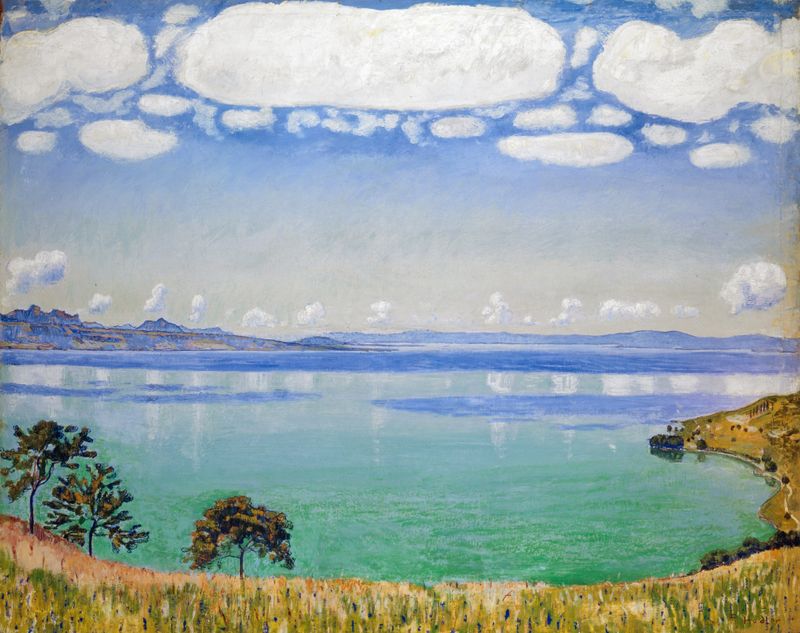
Lake Geneva From Chexbres
Ferdinand Hodler
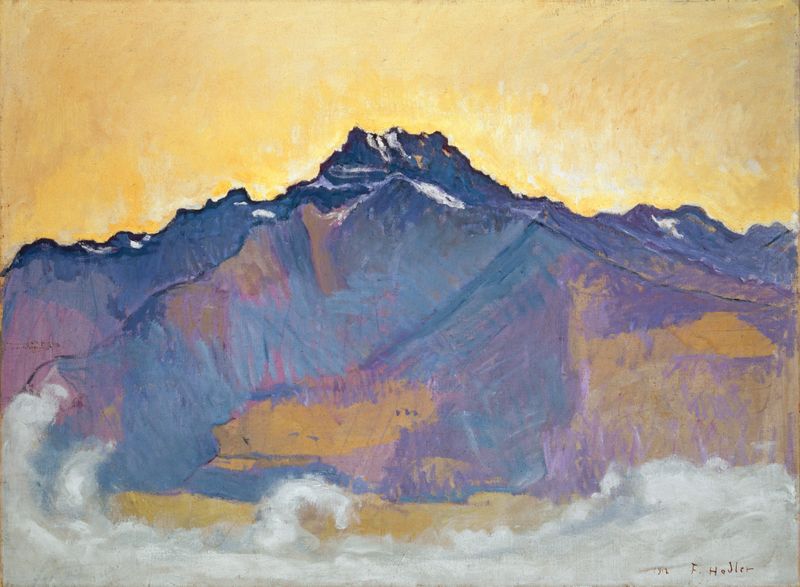
The Dents Du Midi Seen From Chesières
Ferdinand Hodler
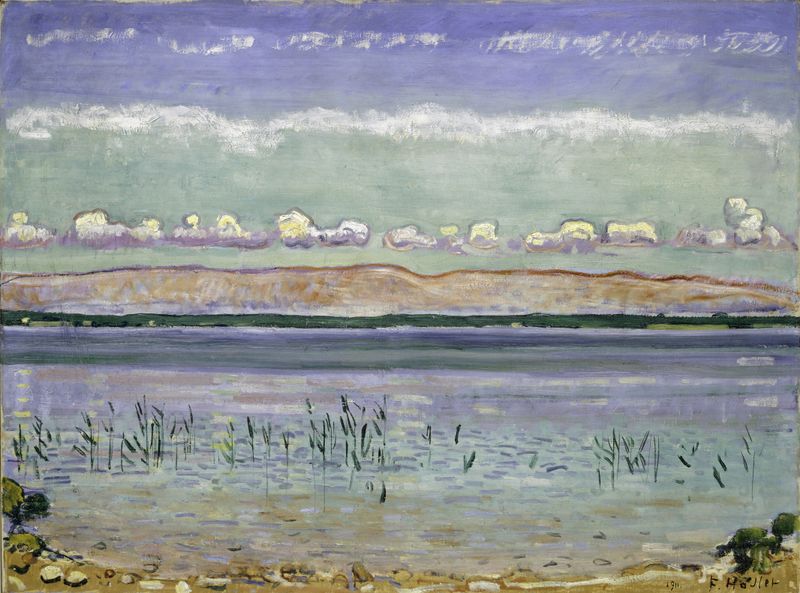
Lake Geneva With Jura Hills
Ferdinand Hodler
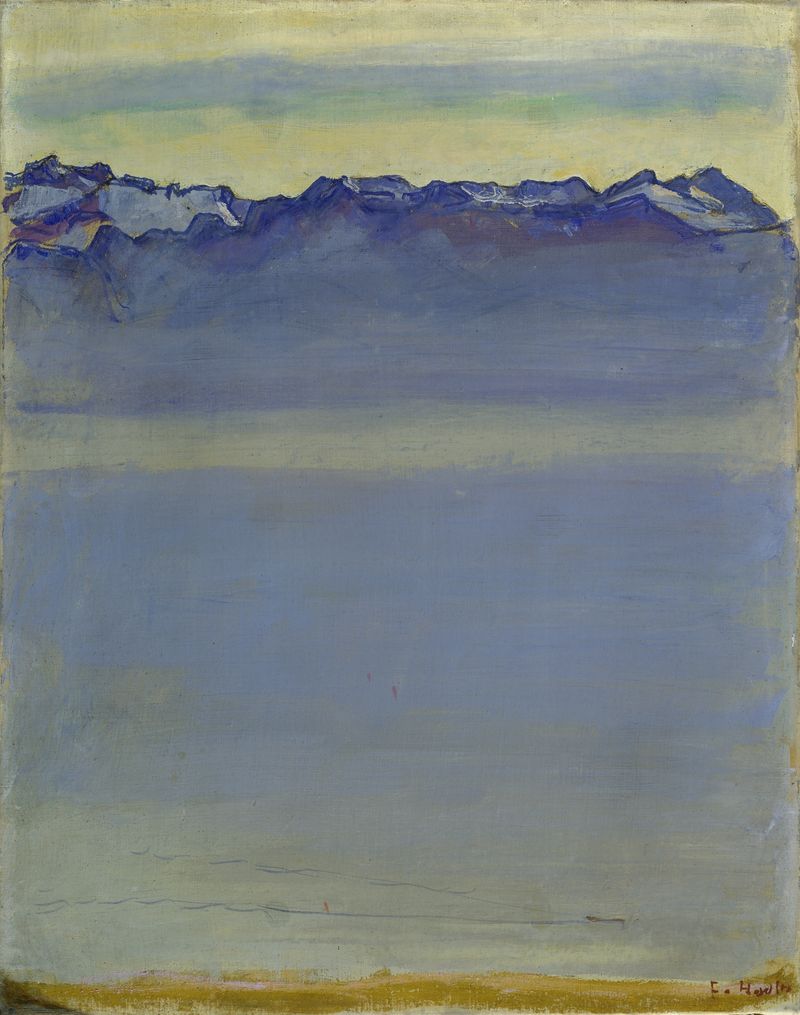
Lake Geneva with the Savoy Alps
Ferdinand Hodler
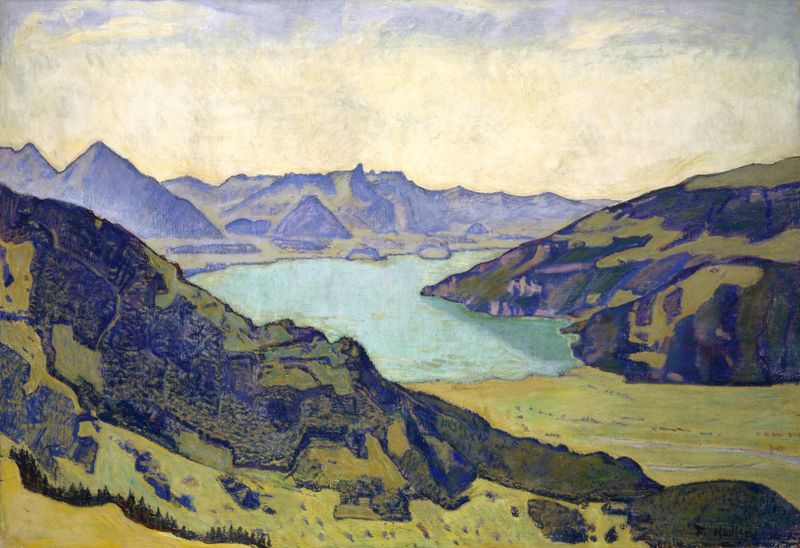
Lake Thun From Breitlauenen
Ferdinand Hodler
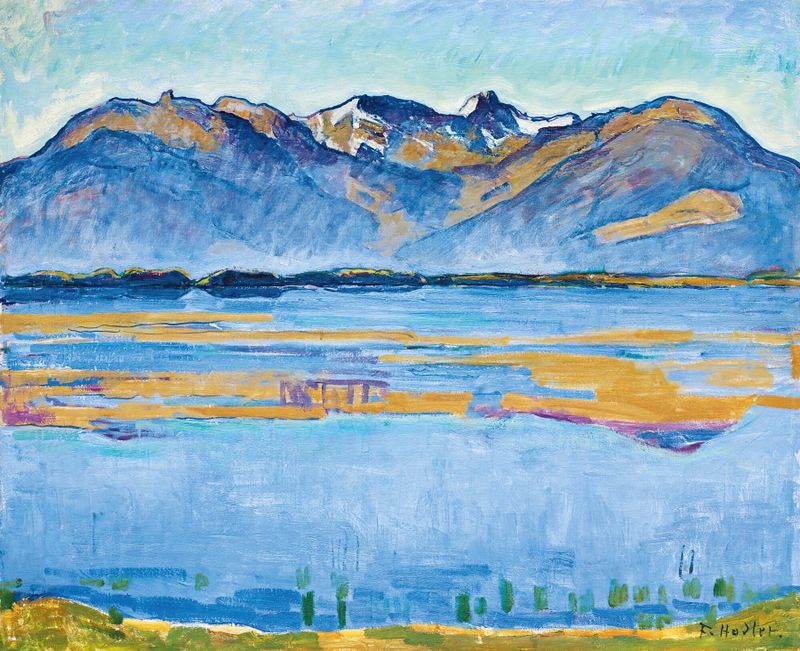
Montana Landscape With Becs De Bosson And Vallon De Réchy
Ferdinand Hodler
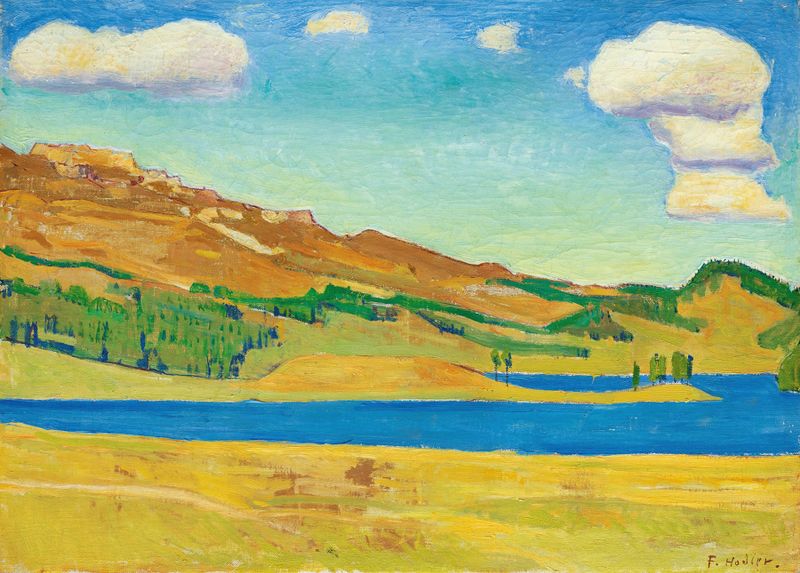
Lake Champfèr
Ferdinand Hodler

James Vibert, Sculptor
Ferdinand Hodler
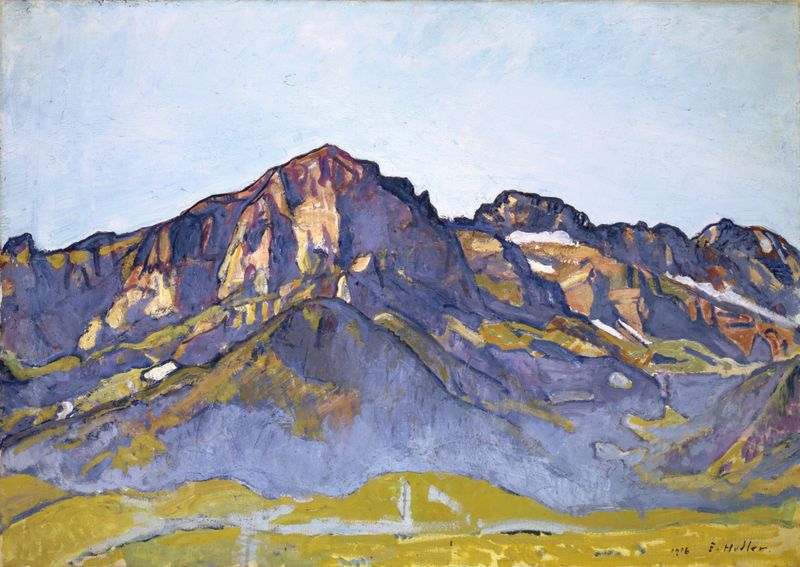
The Dents Blanches At Champéry In The Morning Sun
Ferdinand Hodler

Day (Truth)
Ferdinand Hodler





