Schaffhouse. — History & Facts
In the stillness of an artist's mind, chaos finds its way onto the surface, demanding attention and reflection. What stories are etched into the layers of paint, waiting for us to unravel their complexities? Look closely at the swirling colors that dominate the canvas, as if the very pigments are engaged in a tempestuous dance. Notice how the bold strokes intersect and overlap, creating a sense of movement that invites the eye to wander.
The layered textures resonate with emotion, each hint of color revealing a deeper narrative beneath the surface, compelling the viewer to probe the tumult that lies within. The interplay between chaos and order in this work speaks to the tumultuous nature of existence. Hidden within the frenetic energy are moments of stillness—brief pauses where clarity breaks through the chaos. One might even sense an underlying tension between freedom and confinement, as if the artist grapples with the duality of creation and destruction, chaos and harmony, in a world that often feels disordered. Luttringhausen painted this evocative piece during a time when the art world was in flux, with the late 19th century giving rise to new movements that challenged traditional forms.
He was exploring his own artistic voice, seeking to transcend the conventional while reflecting the chaos of a rapidly changing society. The ambiguity of this work captures that moment in time, encapsulating both the struggles and the innovations of an evolving artistic landscape.
More Artworks by Johann Heinrich Luttringhausen
Browse all →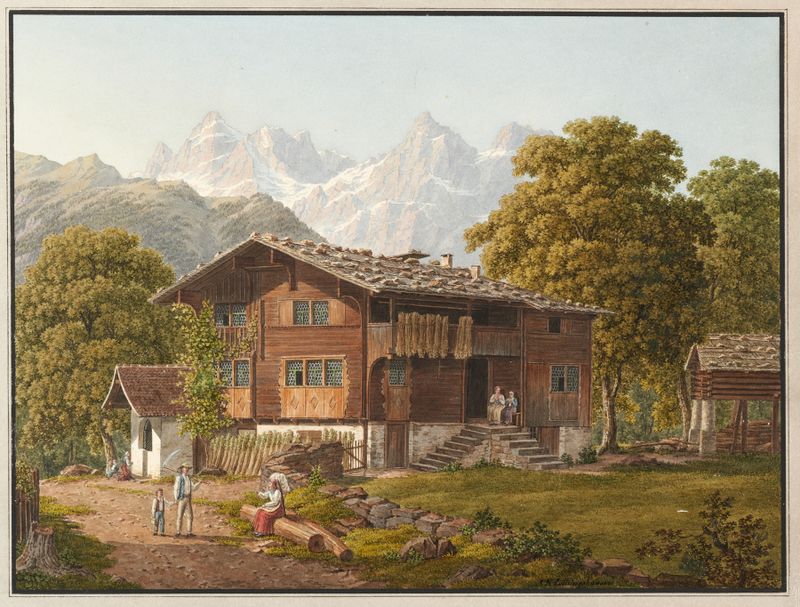
Ansicht eines Urner Bauernhauses
Johann Heinrich Luttringhausen
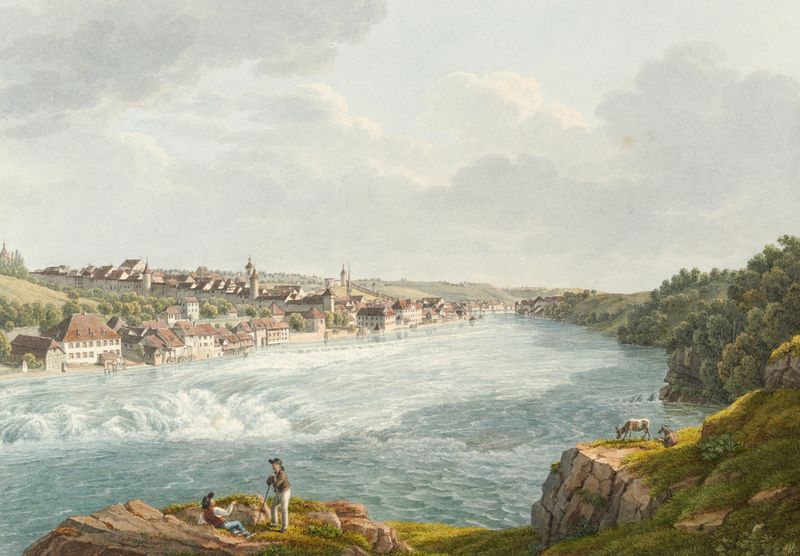
Schaffhouse
Johann Heinrich Luttringhausen

Village de Hinter Rhin et source du Rhin
Johann Heinrich Luttringhausen

Rheinau
Johann Heinrich Luttringhausen
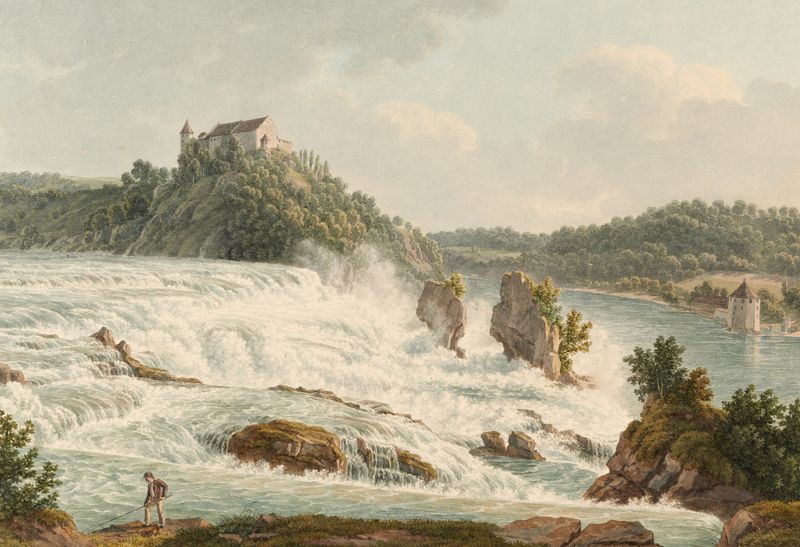
Chute du Rhin 2
Johann Heinrich Luttringhausen
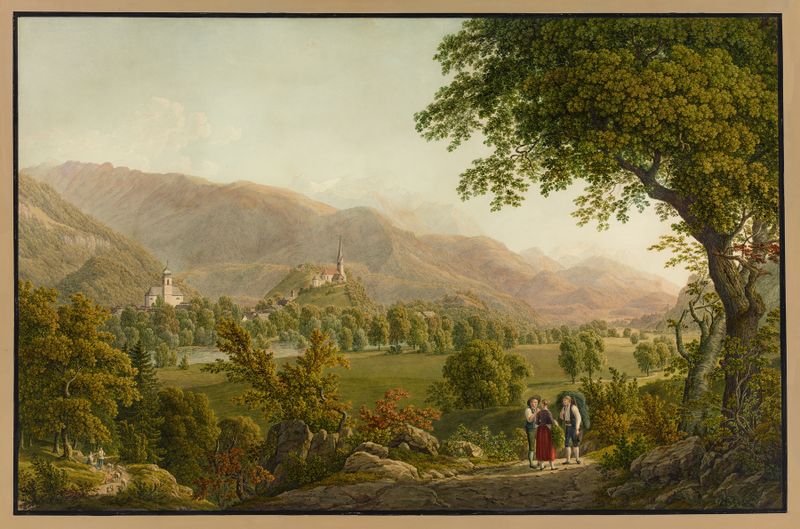
Ansicht von Domat
Johann Heinrich Luttringhausen

Basle Côté du levant
Johann Heinrich Luttringhausen
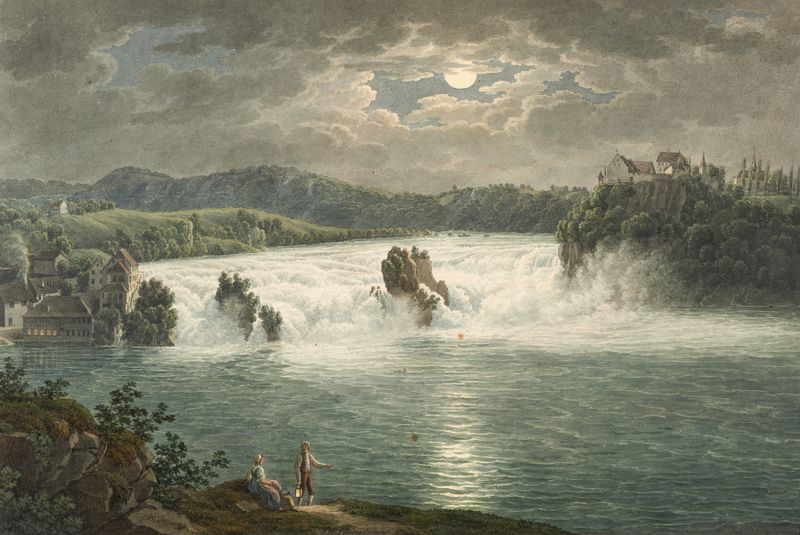
Chute du Rhin
Johann Heinrich Luttringhausen

Laufenburg
Johann Heinrich Luttringhausen
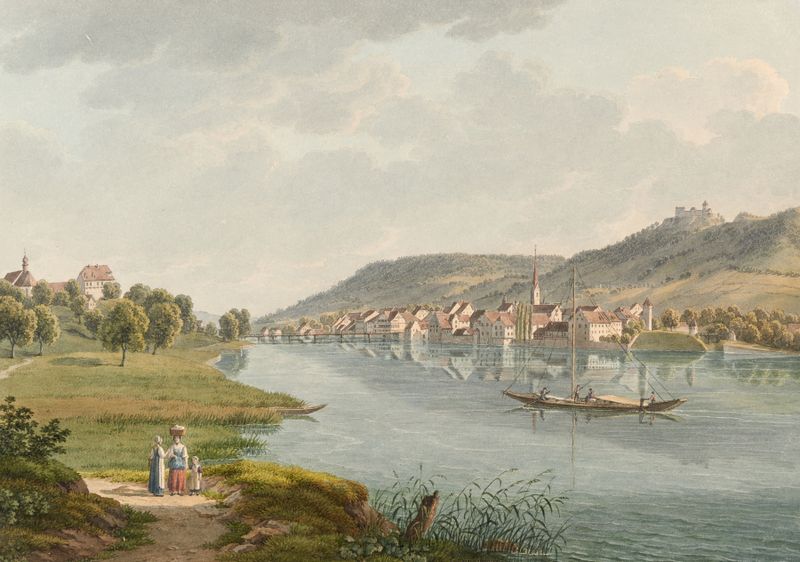
Vue de Stein
Johann Heinrich Luttringhausen