
Schanz in Bern — History & Facts
Can beauty exist without sorrow? The answer breathes through the layers of Schanz in Bern, a work that invites contemplation of faith amidst the fleeting nature of life. Look closely at the serene landscape that unfolds before you, where soft greens and earthy browns merge seamlessly with the gentle blues of the sky. Notice how the light dances on the water's surface, illuminating the reflections of distant trees, creating a harmonious interplay between nature and tranquility. The composition draws you in, guiding your gaze toward the horizon where the delicate brushstrokes hint at a world beyond the frame. Delve deeper, and you'll uncover contrasts that speak to the heart.
The stillness of the water reflects not just the scene above, but also the silent yearnings of the human spirit. The juxtaposition of vibrant life and serene stillness suggests an underlying tension — a reminder that hope and melancholy often coexist. In this peaceful setting, there’s an unspoken story of faith, lurking in the shadows of the light, whispering of resilience and the quiet strength found in moments of solitude. Jacques Henri Juillerat painted Schanz in Bern at a time when the world was grappling with the aftermath of the First World War.
Working in Switzerland, he sought solace in the landscapes around him, capturing the essence of a nation in recovery. This period was marked by artistic exploration as artists embraced new styles, and Juillerat’s dedication to portraying the beauty of everyday life served as a homage to the enduring spirit of humanity.
More Artworks by Jacques Henri Juillerat
Browse all →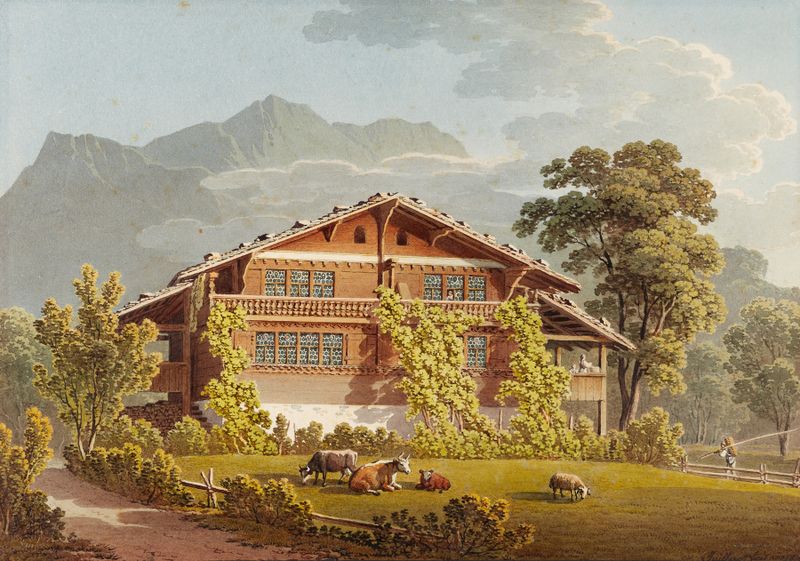
Bauernhaus bei Brienz und Brienz Rothorn
Jacques Henri Juillerat
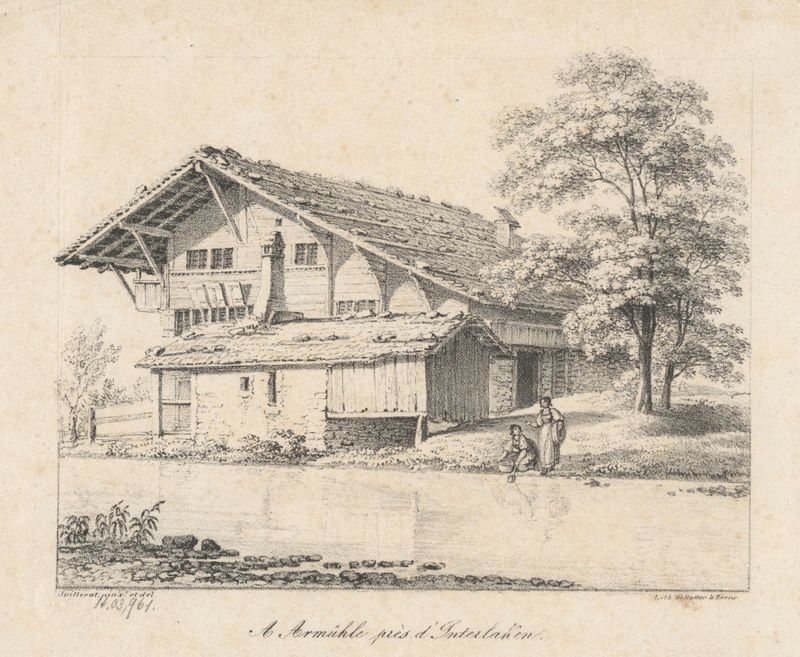
A Armühle près d’Interlaken
Jacques Henri Juillerat

Moulin des Roches
Jacques Henri Juillerat

Ansicht von Unterseen
Jacques Henri Juillerat
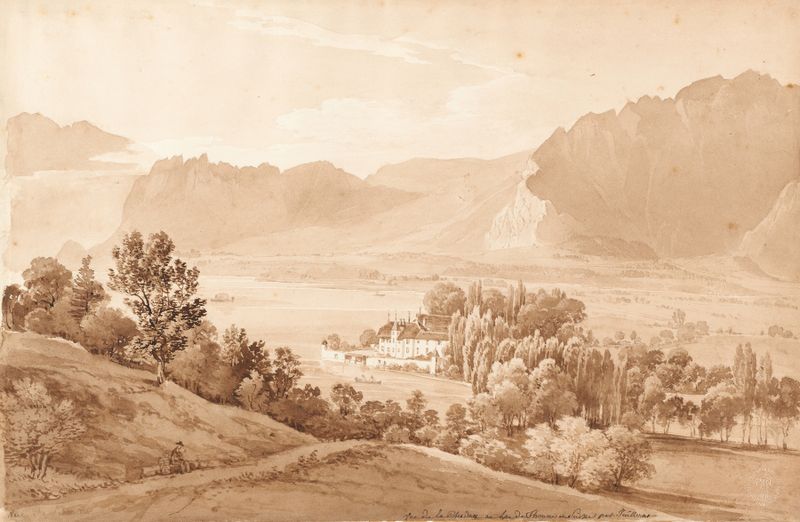
Vue de la Chadou au Lac de Thoune
Jacques Henri Juillerat

Bauernhaus bei Interlaken
Jacques Henri Juillerat

Pont du Richenbach Canton Berne Suiss
Jacques Henri Juillerat





