
Vue de la Chadou au Lac de Thoune — History & Facts
In its quiet beauty, the essence of human experience finds expression. It mirrors the unspoken yearnings of life, capturing fleeting moments of serenity. Focus first on the tranquil expanse of the lake, where the water shimmers with a delicate interplay of blues and greens, reflecting the gentle touch of sunlight. Notice how the distant mountains frame the scene, their peaks softened by mist, creating a sense of depth and vastness.
Juillerat employs a harmonious palette, blending natural elements with strokes that evoke both calm and introspection. Each brushstroke hints at the artist’s reverence for the scene, inviting the viewer to lose themselves in the tranquil ambiance. As you delve deeper, consider the contrast between the serene waters and the robust mountains, symbolizing the balance between vulnerability and strength. The painting may also suggest a moment of contemplation, a pause in the rush of life where beauty unfolds quietly.
Subtle details, like the ripples on the water's surface or the interplay of light and shadow, evoke a sense of peace, hinting at the transient nature of such moments and the importance of savoring them. Juillerat created Vue de la Chadou au Lac de Thoune during a period of exploration in the late 19th century, a time when artists were drawn to the natural beauty of landscapes in Switzerland. This era marked a shift towards impressionism, where light and atmosphere took center stage. With his keen eye for beauty and detail, he captured a unique perspective that reflected both his personal experiences and the broader artistic trends of his time.
More Artworks by Jacques Henri Juillerat
Browse all →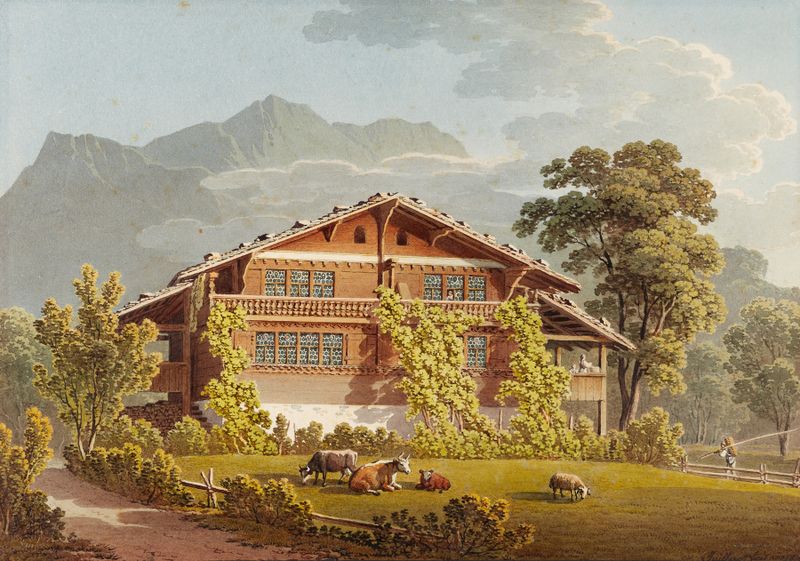
Bauernhaus bei Brienz und Brienz Rothorn
Jacques Henri Juillerat
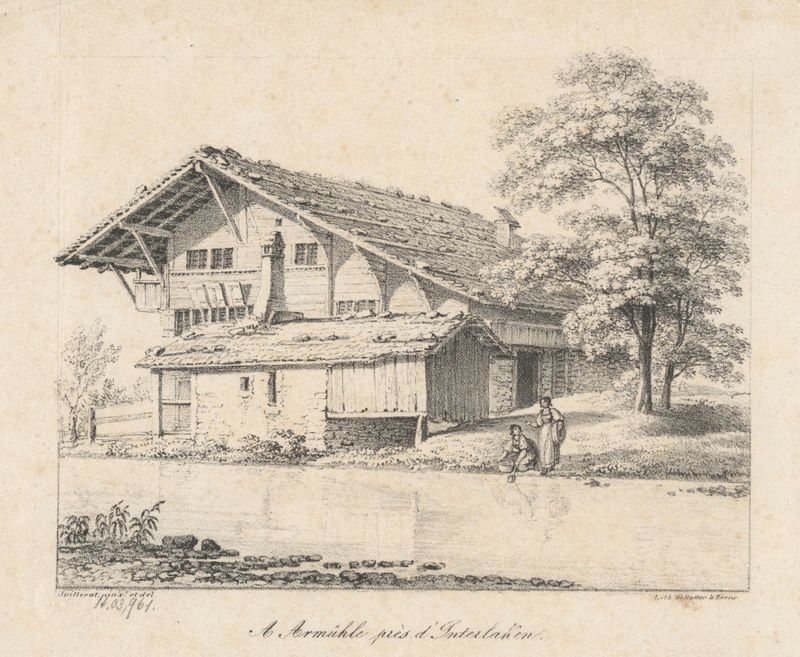
A Armühle près d’Interlaken
Jacques Henri Juillerat

Moulin des Roches
Jacques Henri Juillerat

Ansicht von Unterseen
Jacques Henri Juillerat

Bauernhaus bei Interlaken
Jacques Henri Juillerat

Schanz in Bern
Jacques Henri Juillerat

Pont du Richenbach Canton Berne Suiss
Jacques Henri Juillerat





