
Scheepswerf te Edam — History & Facts
What secret hides in the quiet of the canvas? In Scheepswerf te Edam, the stillness echoes with the weight of unspoken grief, inviting a deeper exploration of loss intertwined with labor. Look to the left at the sturdy silhouettes of shipyards, where beams of muted sunlight break through the clouds, casting soft shadows on the weathered wood. The palette, dominated by somber grays and earthy browns, evokes a sense of nostalgia, grounding the viewer in a bygone era. Notice how the meticulously rendered textures of the boats suggest stories of toil, while the sparse figures laboring in the scene establish a haunting solitude, emphasizing the human connection to the craft. Beneath this seemingly straightforward landscape lies a deeper emotional tension.
The vacant spaces within the composition speak to absence, perhaps reflecting the impact of war on this tranquil locale. The meticulous attention to detail juxtaposed with the emptiness suggests the artist's lament for those lost to conflict, framing the shipyard as both a site of creation and a haunting reminder of what has been taken away. In 1943, during the throes of World War II, Maarten Oortwijn painted this work amidst an atmosphere of uncertainty and turmoil in the Netherlands. As he captured the essence of daily life at the shipyard, he faced the stark realities brought by the war, both personally and within the broader context of Dutch society.
This period deeply influenced his artistic vision, allowing him to reflect on the juxtaposition of labor and loss in a world irrevocably changed.
More Artworks by Maarten Oortwijn
Browse all →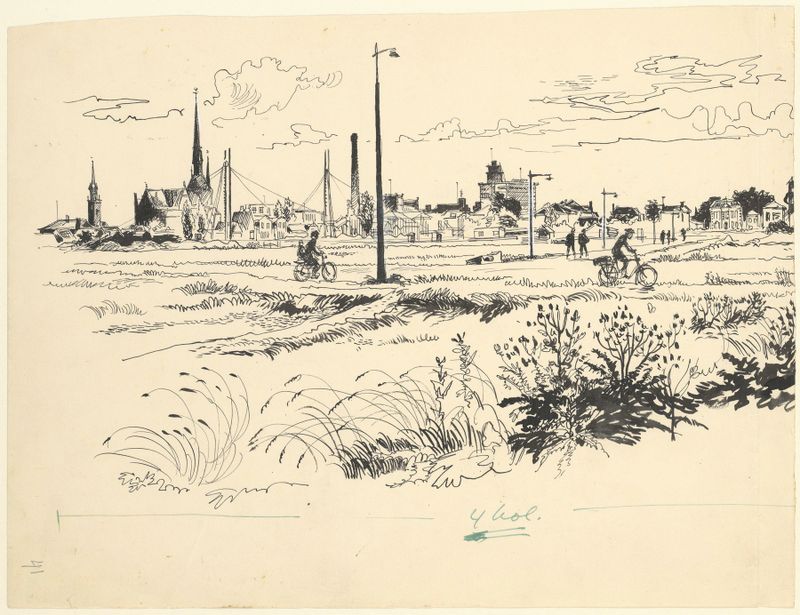
Gezicht op Koog aan de Zaan.
Maarten Oortwijn
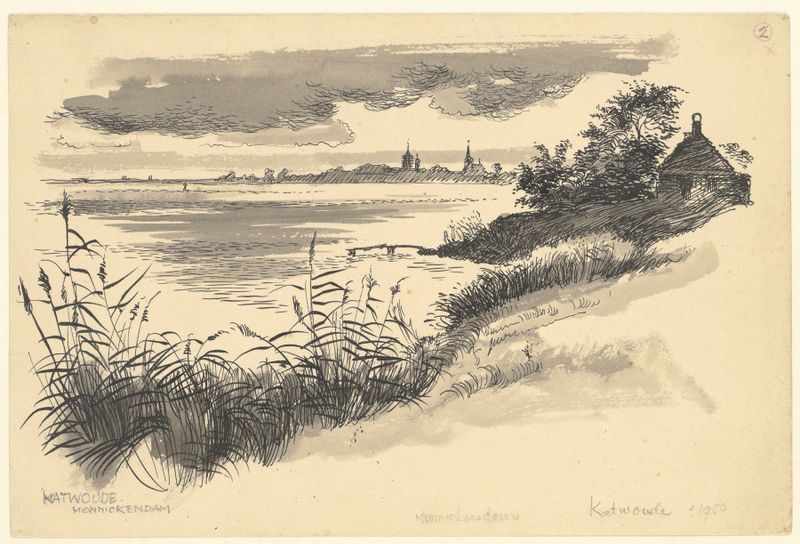
Gezicht vanuit Katwoude op Monnickendam
Maarten Oortwijn
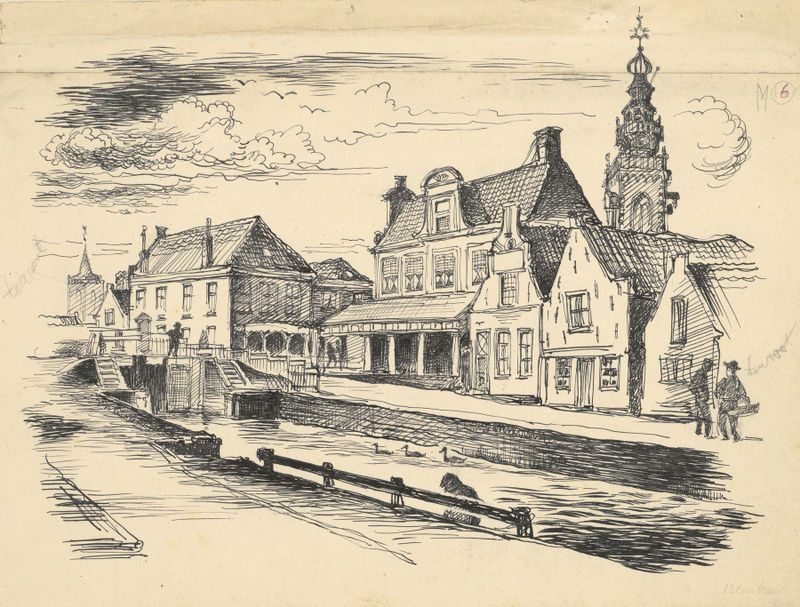
Gezicht vanaf de Gooische Kaai op de Waag
Maarten Oortwijn
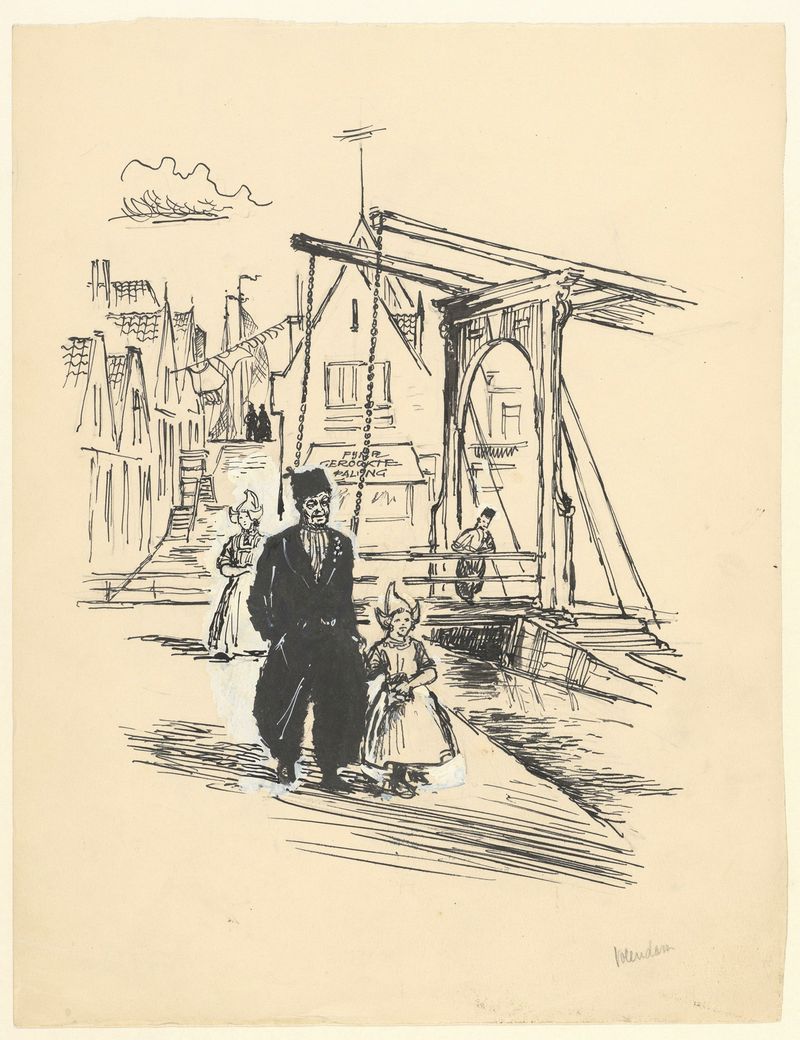
Gezicht te Volendam.
Maarten Oortwijn
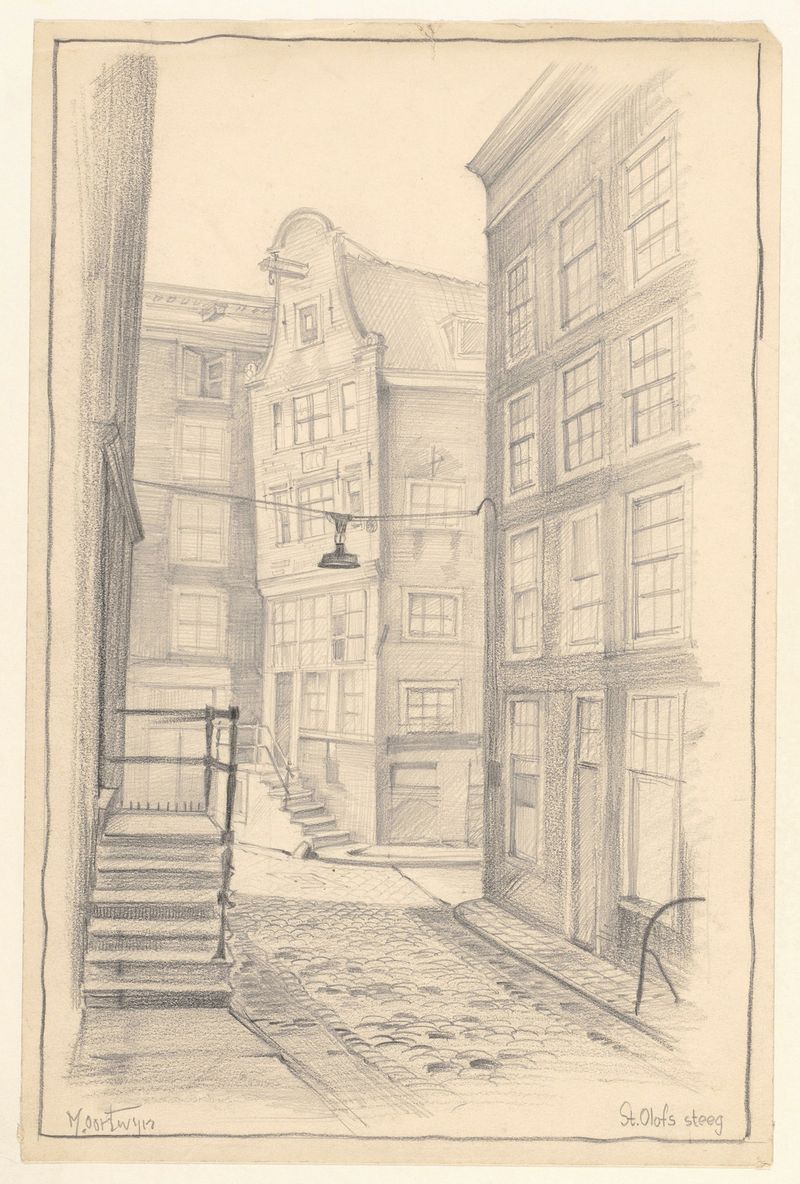
Gezicht in de St. Olofssteeg.
Maarten Oortwijn
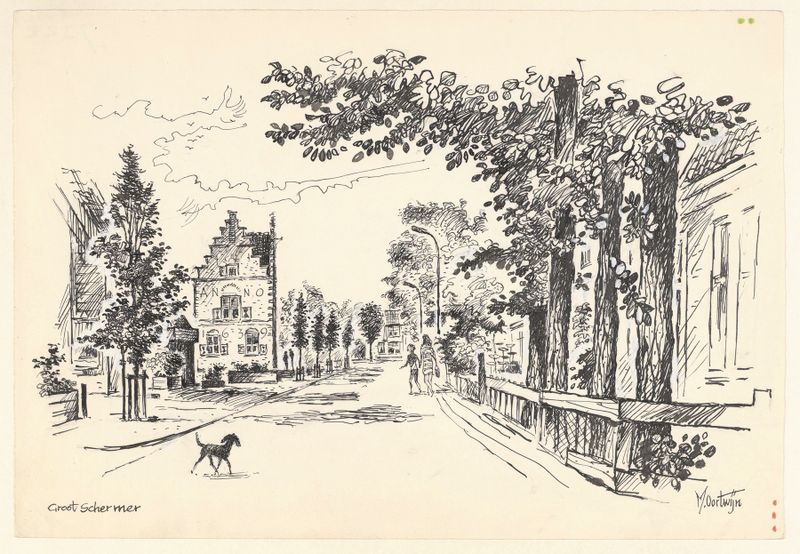
Gezicht te Grootschermer met het Raadhuis
Maarten Oortwijn
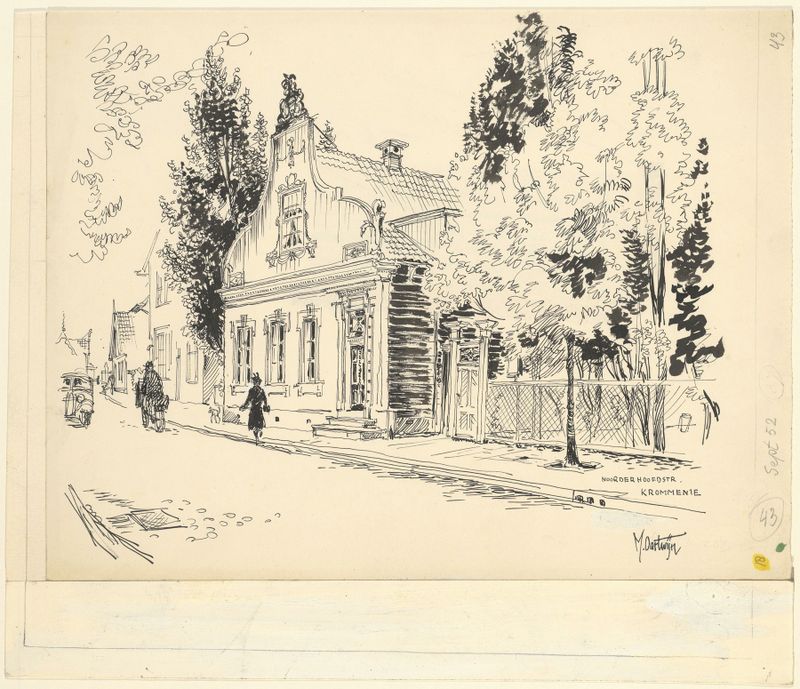
Gezicht in de Noorder
Maarten Oortwijn
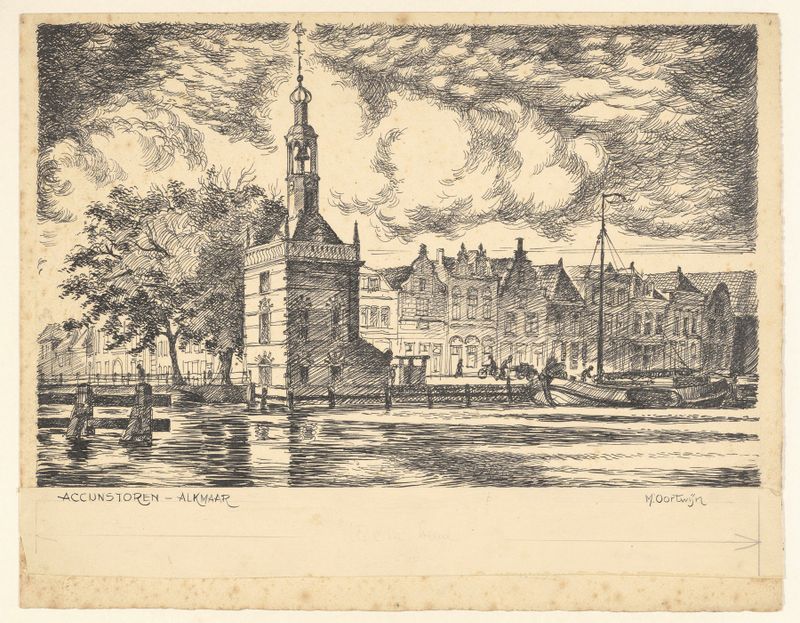
Gezicht op de Accijnstoren aan de Bierkade.
Maarten Oortwijn
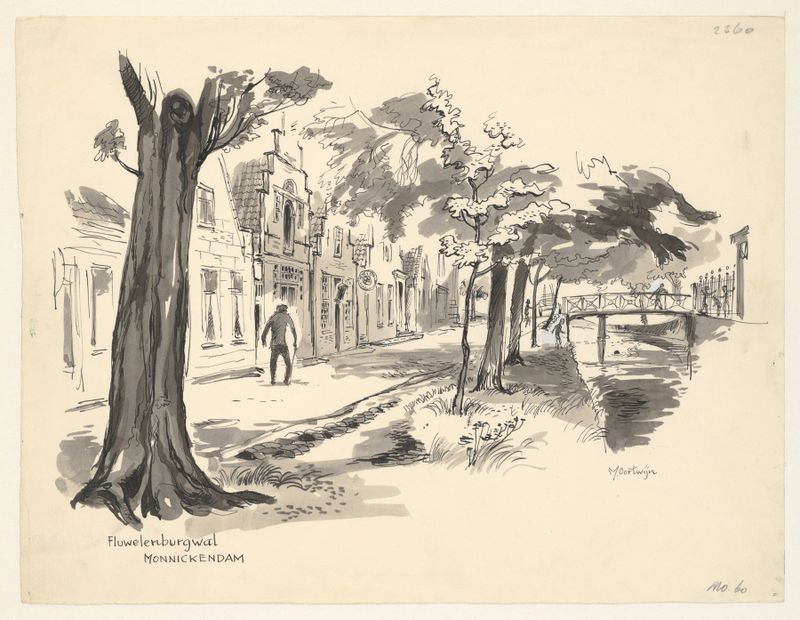
Fluwelenburgwal, Monnickendam
Maarten Oortwijn
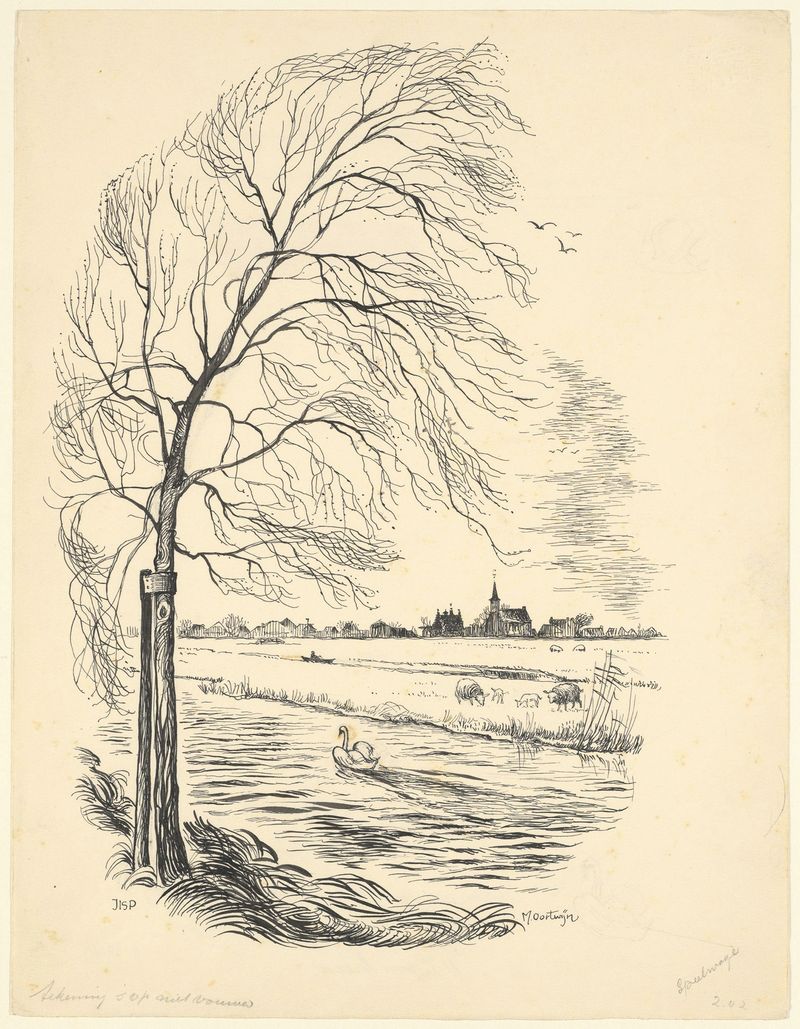
Gezicht op Jisp.
Maarten Oortwijn





