
Schiffe und Kähne an waldigem Flussufer — History & Facts
In the tranquil embrace of nature, the surface of the water reflects a complexity of emotion hidden beneath its serene facade. The stillness of the scene speaks to a deeper sorrow, one that lingers like a whisper in the rustling leaves. Look to the left at the lush greenery that frames the riverbank. Notice how the light dances upon the rippling water, imbuing the scene with a golden glow that contrasts with the gray sky looming above.
The vessels, anchored with a sense of solemnity, seem to pause in time, their muted hues suggesting the weight of untold stories. Each brushstroke reveals a longing, as if the artist has captured a moment of reflection, where the beauty of nature intertwines with a thread of melancholy. Delve deeper into the painting, and consider the juxtaposition of the lively forest and the still water. The dichotomy between the vibrant flora and the placid river embodies a sense of loss and the passage of time.
The vessels, laden with their invisible burdens, evoke a feeling of nostalgia; they are reminders of journeys once taken and the grief of those left behind. This tension between hope and sorrow permeates the canvas, inviting the viewer to contemplate their own experiences with beauty and sadness. In 1839, the artist created this piece while residing in the Netherlands, a time of burgeoning Romanticism that sought to capture the essence of nature in its rawest form. He was influenced by the changing landscapes around him, reflecting a world caught between industrial progress and the peaceful allure of the natural environment.
In this work, the artist channels both the external beauty and the internal struggles faced by those in his era, intertwining his personal reflections with the broader artistic movement.
More Artworks by Hendrikus van de Sande Bakhuyzen
Browse all →
Skaters On A Frozen Stream On The Outskirts Of A Village
Hendrikus van de Sande Bakhuyzen

A Herd With Cattle In A Mountainous Landscape
Hendrikus van de Sande Bakhuyzen

Gelder Landscape
Hendrikus van de Sande Bakhuyzen
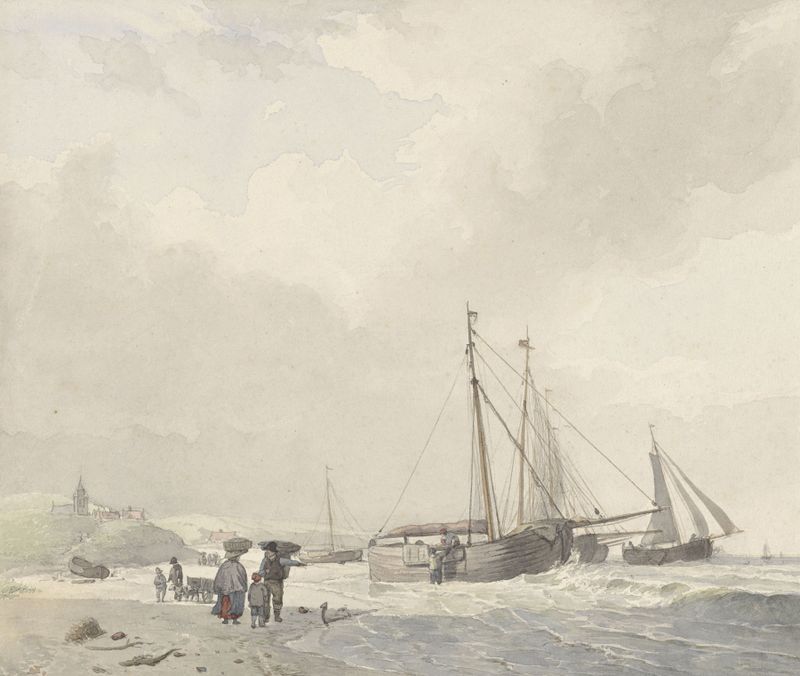
Gezicht op het strand bij Scheveningen
Hendrikus van de Sande Bakhuyzen
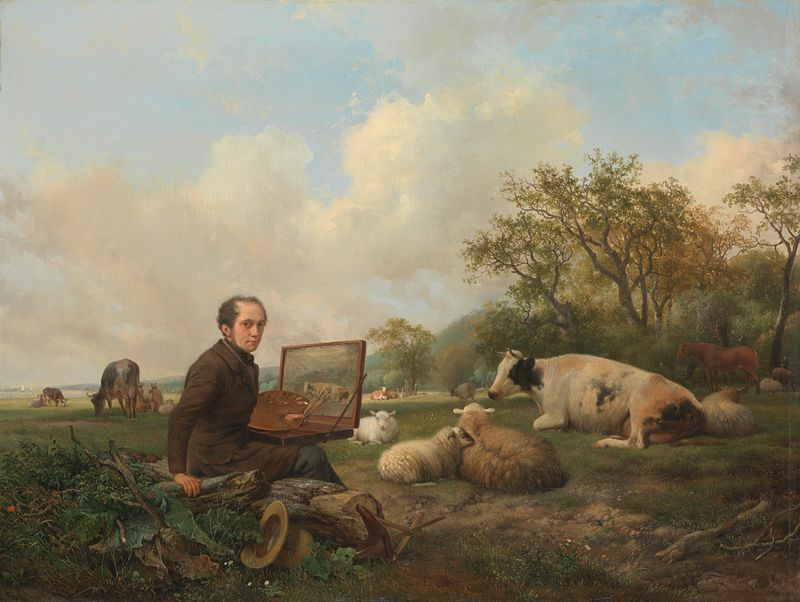
The Artist Painting a Cow in a Meadow
Hendrikus van de Sande Bakhuyzen





