
Schutzhaus am Großglockner — History & Facts
Can paint confess what words never could? In Schutzhaus am Großglockner, a hushed expanse of solitude unfolds, inviting viewers to explore the depths of emptiness beneath the surface of its serene beauty. Look closely at the foreground where the majestic mountain looms, its rocky contours dominating the canvas. The Schutzhaus, nestled against its formidable presence, appears almost vulnerable against the backdrop of large, sweeping skies painted in soft blues and muted grays. Notice how the light washes over the chalet, illuminating textures that speak of weathered wood and stone, while shadows weave around it like whispered secrets, hinting at the transience of human existence. Within this tranquil scene lies a powerful contrast between man and nature.
The isolation of the Schutzhaus accentuates the grandeur of the mountain, suggesting a harmony tinged with insignificance. The absence of figures invites contemplation of solitude, evoking a sense of longing or nostalgia for connection amidst vastness. Each stroke carries the weight of stillness, and the vast emptiness echoes with unspoken thoughts and feelings, challenging the viewer to embrace both beauty and desolation. Marie Egner created this work during a time when artists were increasingly drawn to landscapes that reflected both the majesty and the isolation of nature.
Active in the late 19th and early 20th centuries, she sought to blend realism with an emotive response to the world around her. As she painted, the burgeoning Alpine tourism and the rise of naturalist movements influenced her exploration of how the human experience intertwines with the powerful forces of the natural landscape.
More Artworks by Marie Egner
Browse all →
Late Summer on the Salzburger Moor near Untersberg
Marie Egner
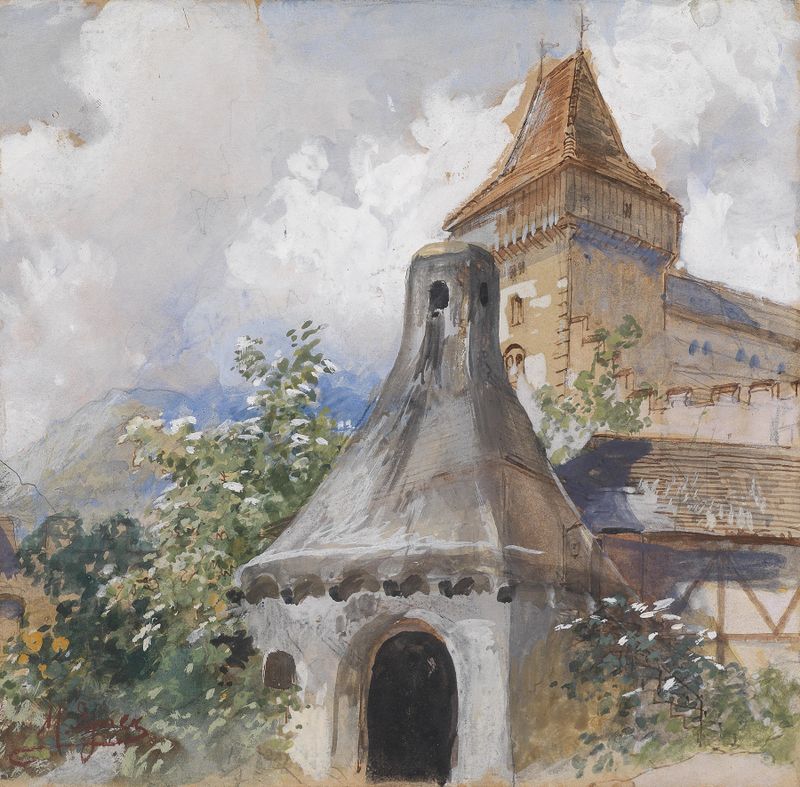
Burg und Dörrofen
Marie Egner
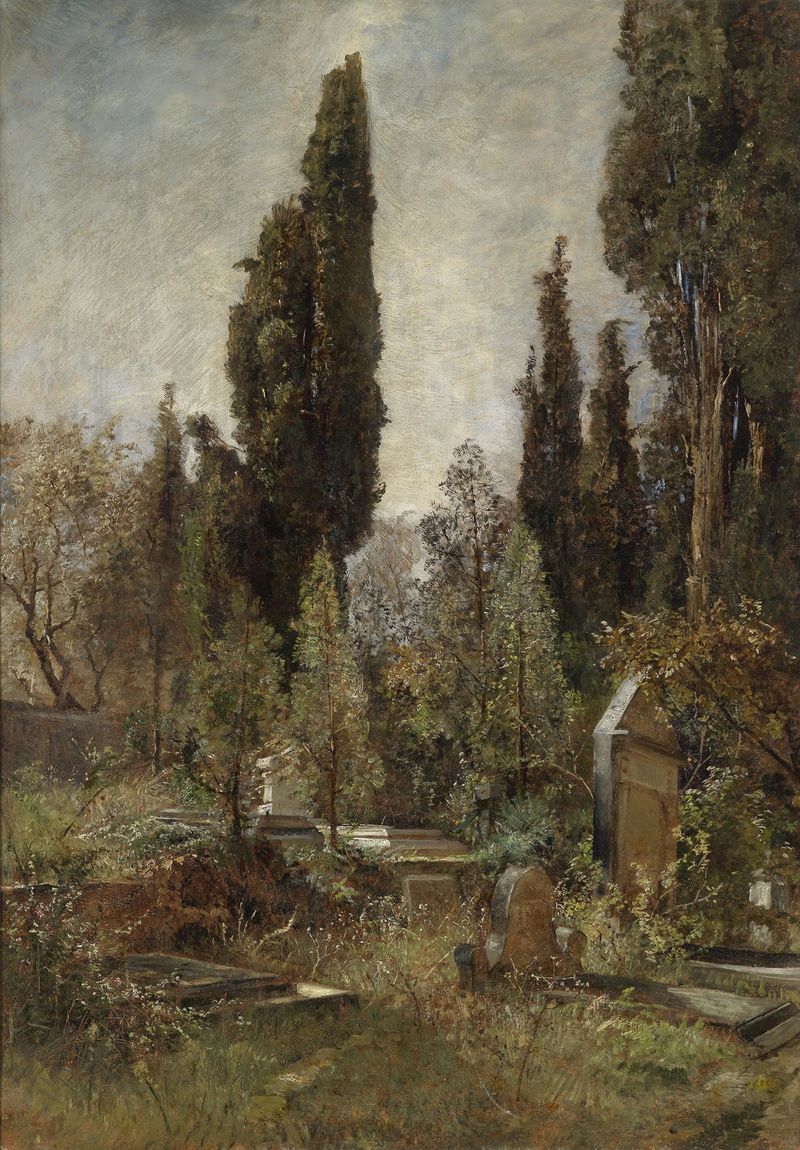
Alter Friedhof
Marie Egner

Blick gegen den Bisamberg
Marie Egner

Evening in Brittany
Marie Egner
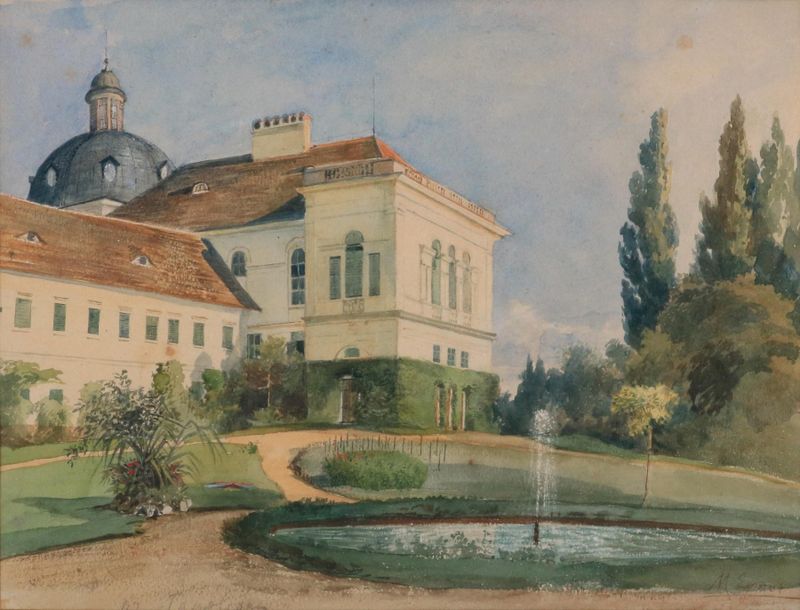
Schlosspark mit Springbrunnen
Marie Egner

A view of the courtyard at No. 8 Dreilaufergasse, 1070 Vienna
Marie Egner
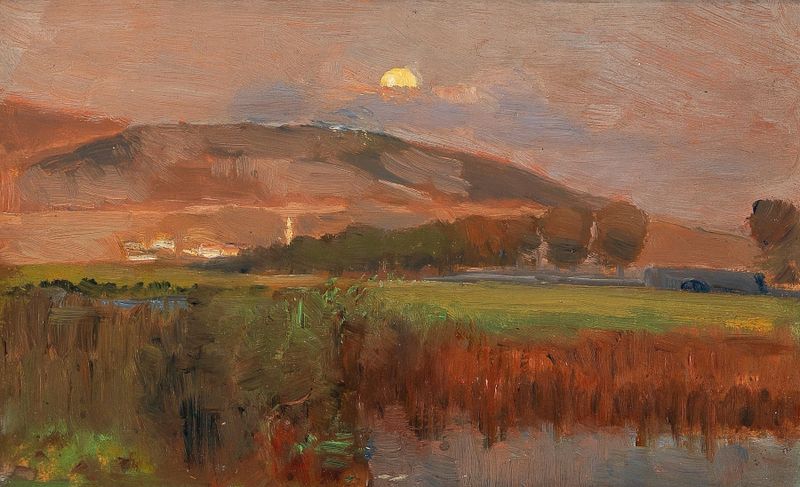
Abendstimmung
Marie Egner

Landschaftsstück
Marie Egner

Old Mill in Gastein
Marie Egner





