
Scotch coast — History & Facts
When did color learn to lie? In the ebb and flow of the tides, nostalgia curls like smoke, enveloping memories in an embrace both warm and haunting. Focus your gaze on the horizon where a delicate interplay of blues and greys creates an atmospheric depth that draws you into the scene. The rugged coastline extends across the canvas, commanding attention with its jagged forms softened by dappled sunlight. Notice how the artist has meticulously captured the shimmering reflections on the water's surface, inviting a sense of tranquility amidst the wildness of nature.
Every brushstroke whispers tales of the sea, with light dancing across the foam of crashing waves, beckoning you to linger. Yet, beneath the serene facade, there is a subtle juxtaposition at play—the tumult of nature against the stillness of memory. The cliffs stand firm, a testament to resilience, while the shimmering water evokes a fleeting sense of time—an ephemeral connection to past voyages and forgotten shores. This landscape, both beautiful and melancholic, stirs a recognition of impermanence, urging contemplation of the life's transitory moments captured in the ebb of a tide. Created in 1872, this piece reflects a period when Edmund Foerster & Co. was exploring the intricate relationship between landscape and emotion.
Working amidst the Romantic movement’s influence, the artist sought to portray not just the physical beauty of the Scottish coast, but also the deeper feelings and spirit that such vistas evoke. The era was marked by a growing fascination with the sublime qualities of nature, and this work stands as a testament to that artistic pursuit.
More Artworks by Edmund Foerster & Co.
Browse all →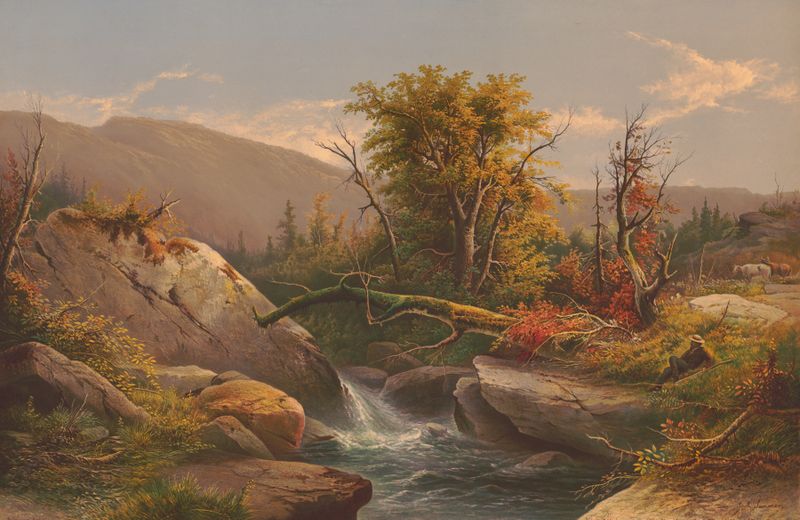
Autumn in the Catskill Mountains
Edmund Foerster & Co.

Bridal Veil Falls
Edmund Foerster & Co.

Castle Landeck
Edmund Foerster & Co.

Andernach a Rhein
Edmund Foerster & Co.

Morning in the Adirondacks
Edmund Foerster & Co.

West Point
Edmund Foerster & Co.
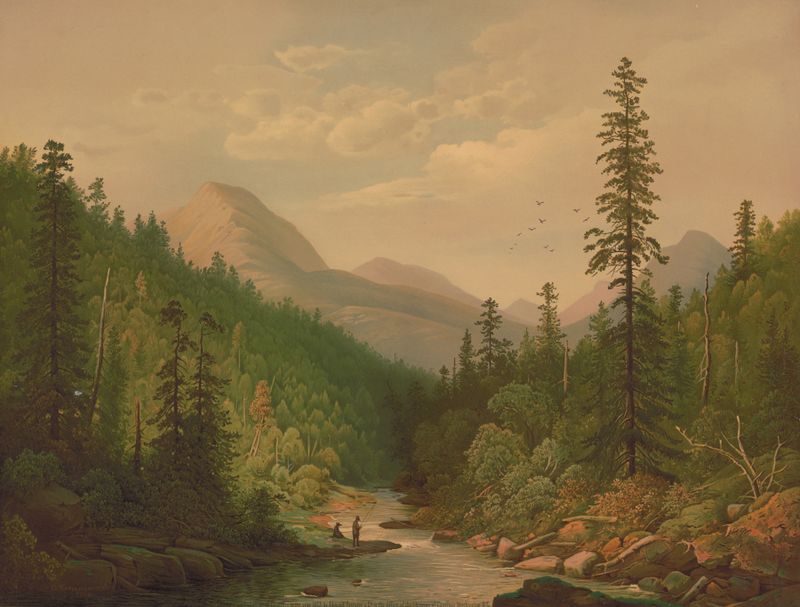
Wilderness scene with two people fishing in a river
Edmund Foerster & Co.

Beverly Dock, opposite West Point on the Hudson River
Edmund Foerster & Co.
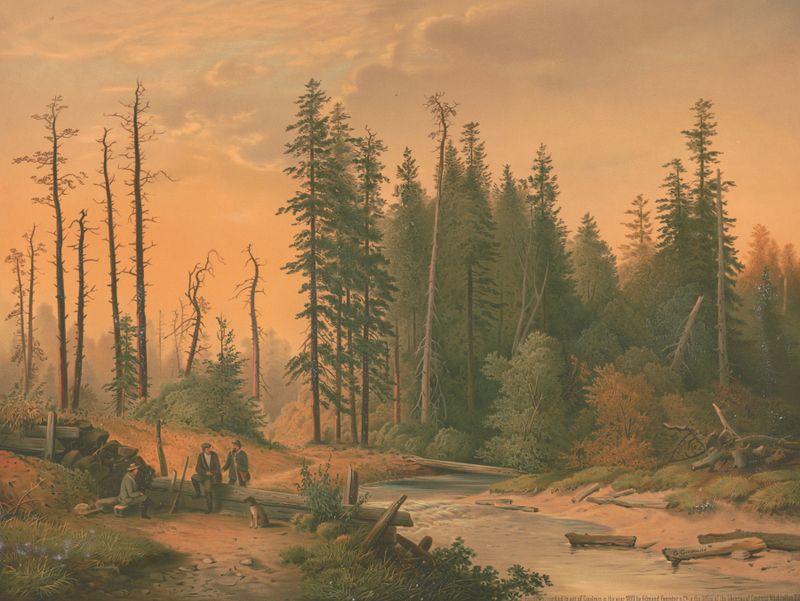
Tobyhanna Creek
Edmund Foerster & Co.

Cathedral Rocks (California)
Edmund Foerster & Co.





