Südliche Landschaft mit Vesuv — History & Facts
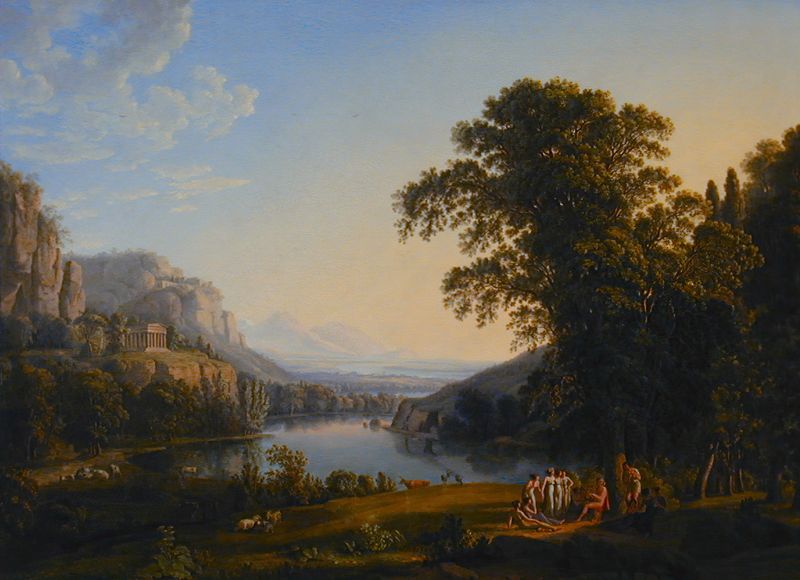
Can beauty exist without sorrow? In Südliche Landschaft mit Vesuv, the interplay of lush scenery and looming volcanic threat teases this profound question, revealing the duality of existence in nature's canvas. Focus on the vibrant foreground, where a sun-drenched landscape flourishes with verdant terrain, dotted with delicate wildflowers. The gentle curves of the hills guide your eye toward the distant, imposing silhouette of Vesuvius, shrouded in a subtle haze. Notice how the warm, golden light cascades across the scene, casting soft shadows that dance with the vibrant colors, creating a striking contrast between tranquility and the latent danger of the volcano. Delve into the emotional undercurrents at play.
The lushness of the landscape evokes feelings of peace and abundance, while the mountain’s presence suggests an underlying tension—a reminder of nature's unpredictable power. This duality reflects the fragility of human existence, hinting at the constant proximity of beauty to turmoil. The artist's choice to depict this harmony amidst potential disaster invites contemplation on life's fleeting moments of joy. Created in 1820, this work emerged during a period of romantic idealism in art, as Ludwig Philipp Strack sought to celebrate and explore the dramatic contrasts in nature.
Working in Germany, he was influenced by a broader European artistic movement that embraced emotion and individual experience, positioning him within a shifting landscape of art where the sublime and the picturesque coexisted, fraught with the tensions of an evolving society.