
Self portrait — History & Facts
A single shaft of light falls across the face and hands, drawing the viewer instantly into the direct, questioning gaze of the sitter. The artist, Ary Scheffer, has chosen not to flatter himself, but to present a moment of introspection—his brow furrowed, his lips set in a line that suggests both resolve and uncertainty. The darkness that envelops his shoulders and background is not emptiness, but a deliberate stage, pushing the illuminated features forward and compelling us to meet his eyes.
The hand gripping a portfolio or sketchbook is tense, the knuckles sharp against the gloom, as if caught mid-thought or mid-creation. Painted in 1838, this Self portrait belongs to a period when artists increasingly turned the lens on themselves, not just as a demonstration of skill but as an exploration of identity and purpose. The Romantic era, with its emphasis on the inner life and the solitary genius, encouraged such searching self-examinations. Unlike the flamboyant bravado of some contemporaries, Scheffer’s approach is sober, almost severe, the palette dominated by earth and shadow, the only relief a flash of white at his collar and the glint of light on the edge of his book.
The effect is intimate, almost confessional, and invites viewers to wonder what burdens or ambitions weighed on the artist’s mind at that precise moment. This painting, now in the Dordrechts Museum, stands as a quiet testament to the era’s fascination with the self—and to the enduring power of a single, searching look.
More Artworks by Ary Scheffer

Princess Marie d'Orléans in Her Studio
Ary Scheffer
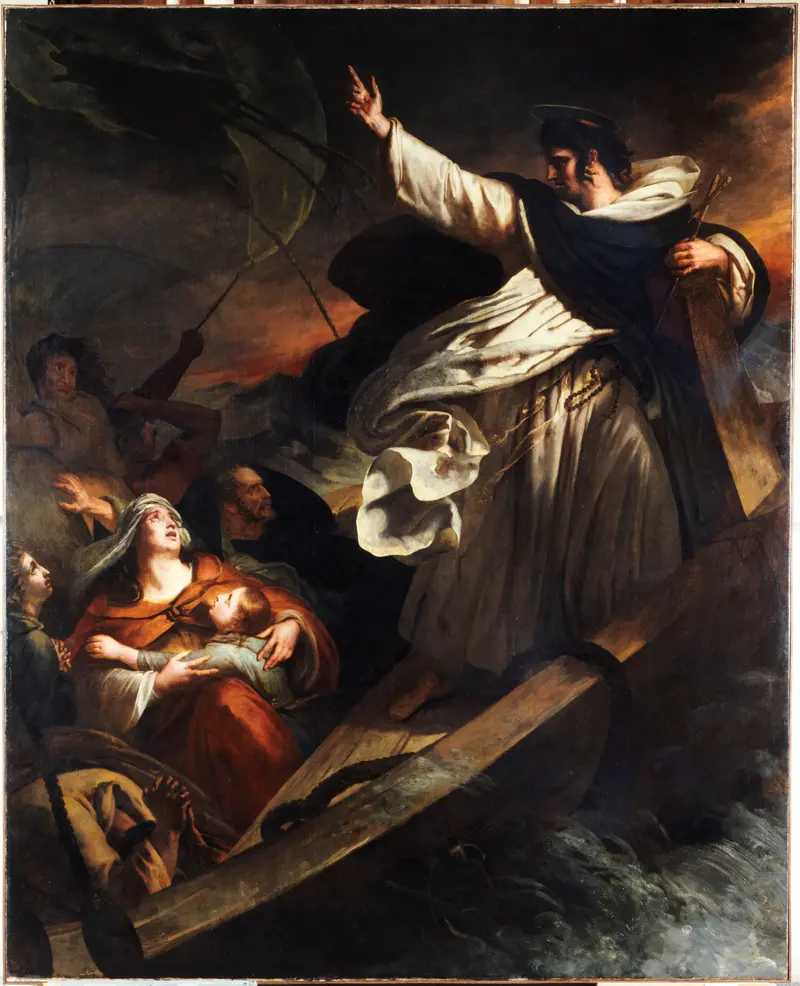
Saint Thomas d'Aquin prêchant la confiance en Dieu pendant la tempête
Ary Scheffer
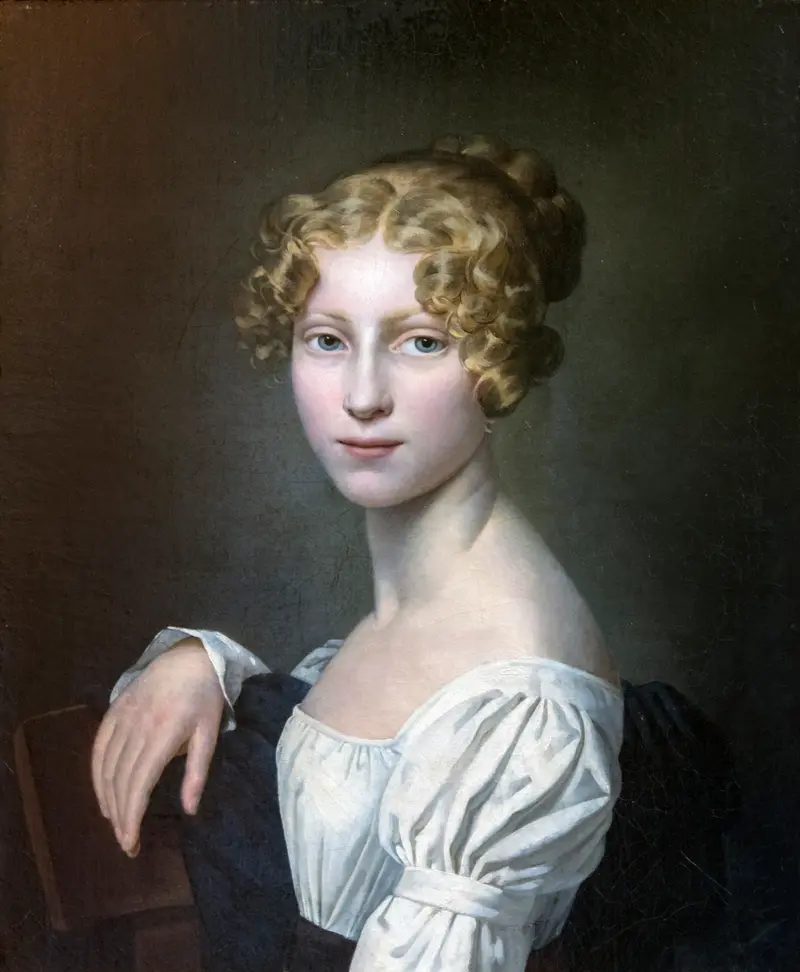
Pauline de Rémusat par Ary Scheffer
Ary Scheffer
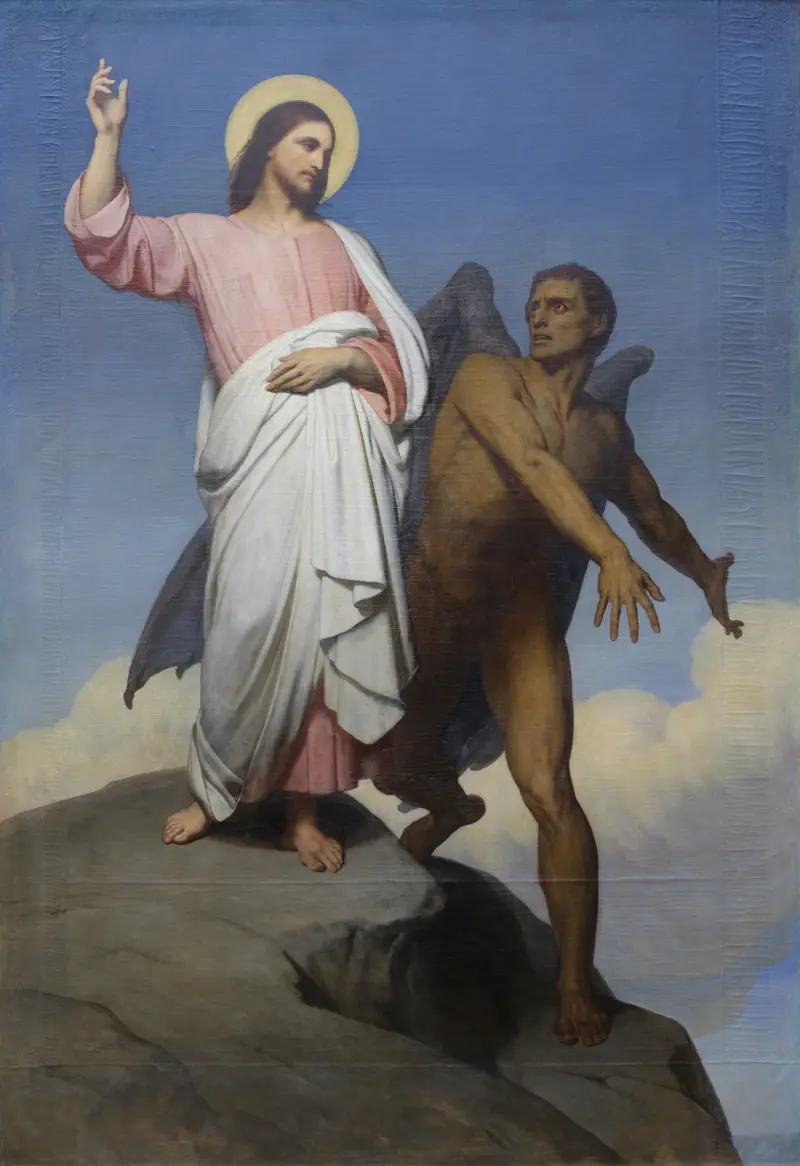
La Tentation du Christ Musée du Louvre Peintures MI 285
Ary Scheffer
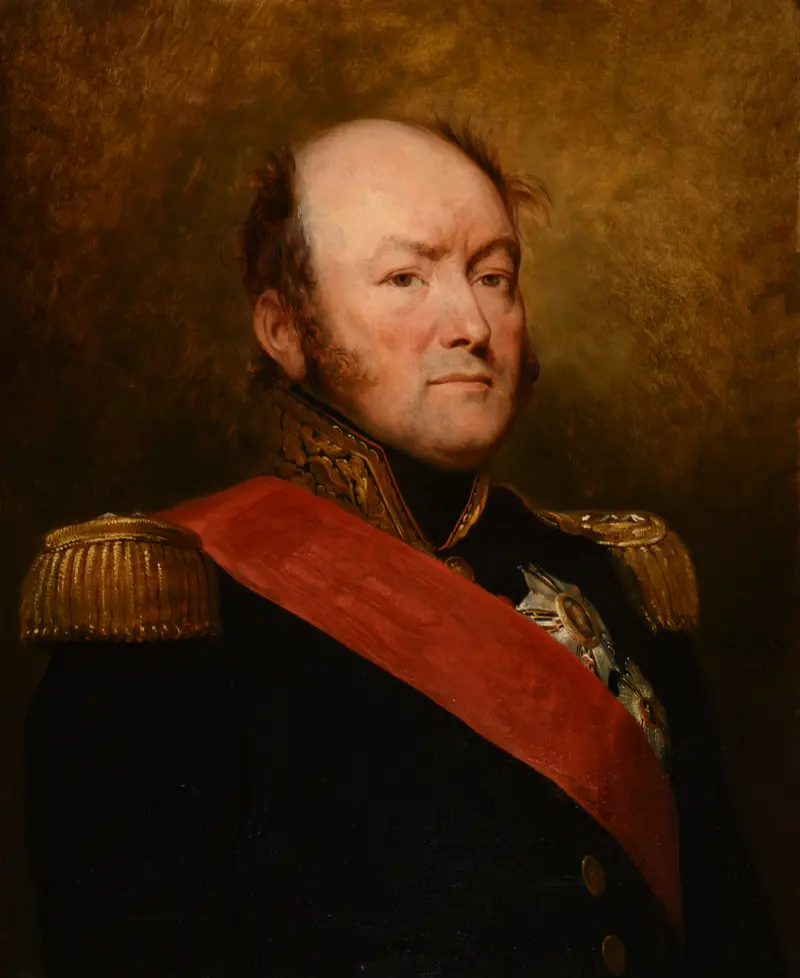
Comte Drouet d'Erlon
Ary Scheffer
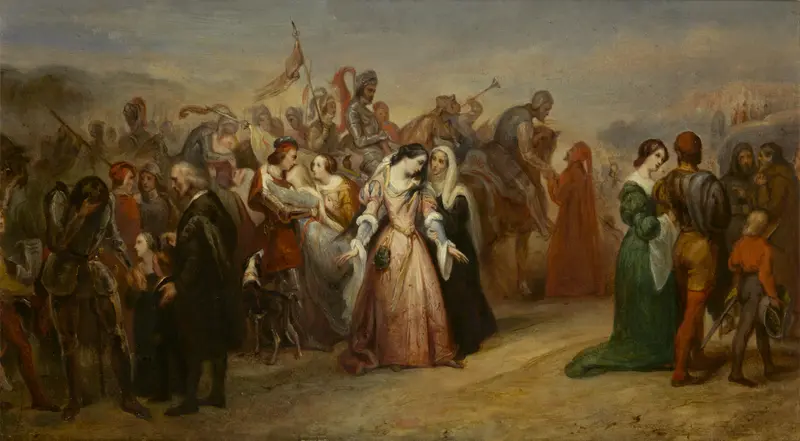
Lenore - de terugkeer van het leger
Ary Scheffer
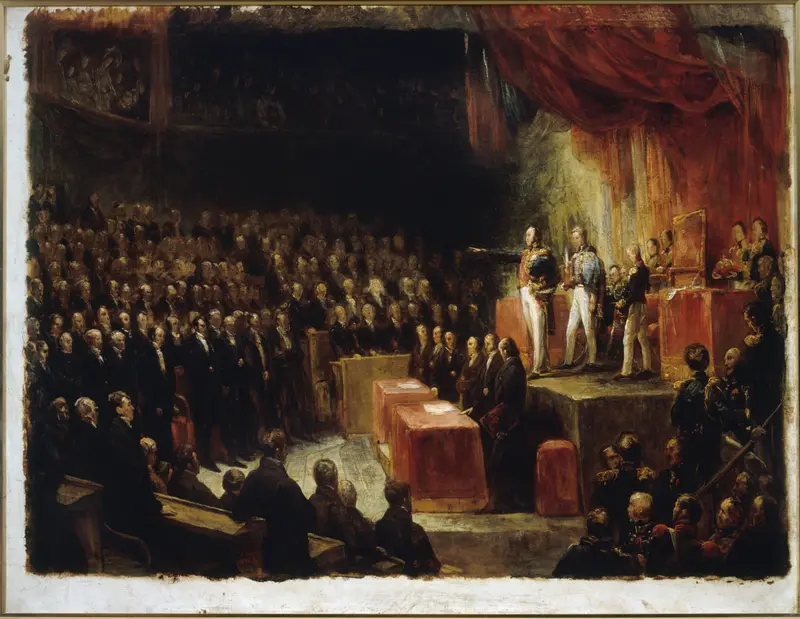
Louis Philippe prêtant serment devants les chambres, le 9 août 1830 P1537 Musée Carnavalet
Ary Scheffer
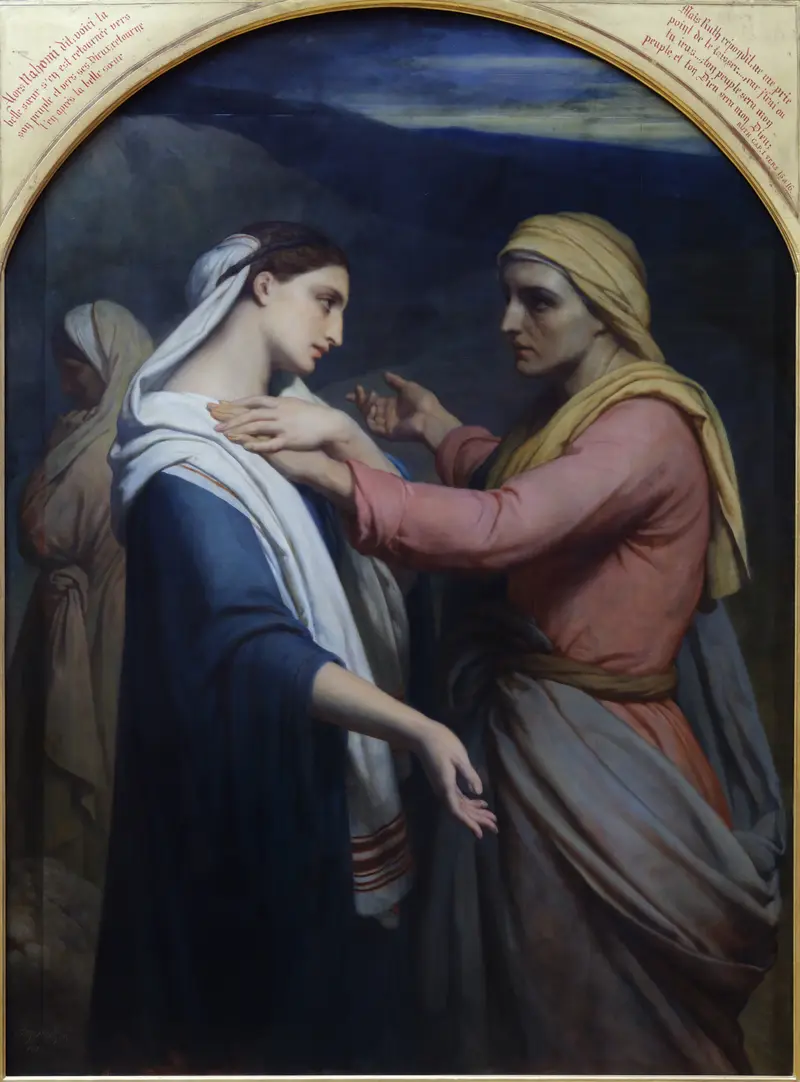
Ruth et Noémi Musée du Louvre Peintures RF 2013 4
Ary Scheffer

Figuur van een treurende engel DM S 70 Dordrechts Museum
Ary Scheffer
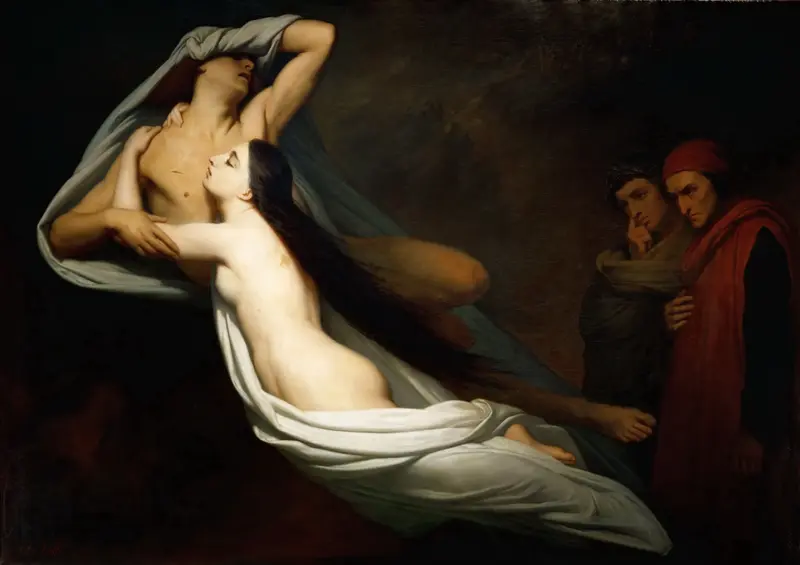
Francesca da Rimini and Paolo Malatesta appraised by Dante and Virgil
Ary Scheffer





