
Self-portrait with Cupid and Death — History & Facts
In Self-portrait with Cupid and Death, Hans Thoma presents a striking composition filled with symbolism. The artist depicts himself at the center, flanked by the figures of Cupid and Death. The colors are rich and varied, with deep reds and soft pastels creating a dramatic contrast.
The setting is ambiguous, enhancing the painting's allegorical nature. The painting is executed in oil on canvas, a medium that allows for vibrant color and texture. Thoma's brushwork is meticulous, capturing the details of the figures and their expressions. The use of light and shadow adds depth, making the figures appear almost three-dimensional.
This technical skill is characteristic of Thoma's work during the Symbolism movement. Hans Thoma was a prominent German painter known for his Symbolist style, which often incorporated themes of mythology and allegory. This particular work reflects his interest in the duality of life and death, represented by Cupid and Death. An interesting fact about this painting is that it showcases Thoma's ability to blend personal introspection with broader philosophical themes.
It serves as a reflection of his own life experiences and beliefs.
More Artworks by Hans Thoma

Fable – Knight
Hans Thoma

Self-Portrait from Munich
Hans Thoma

Landscape in the Black Forest
Hans Thoma
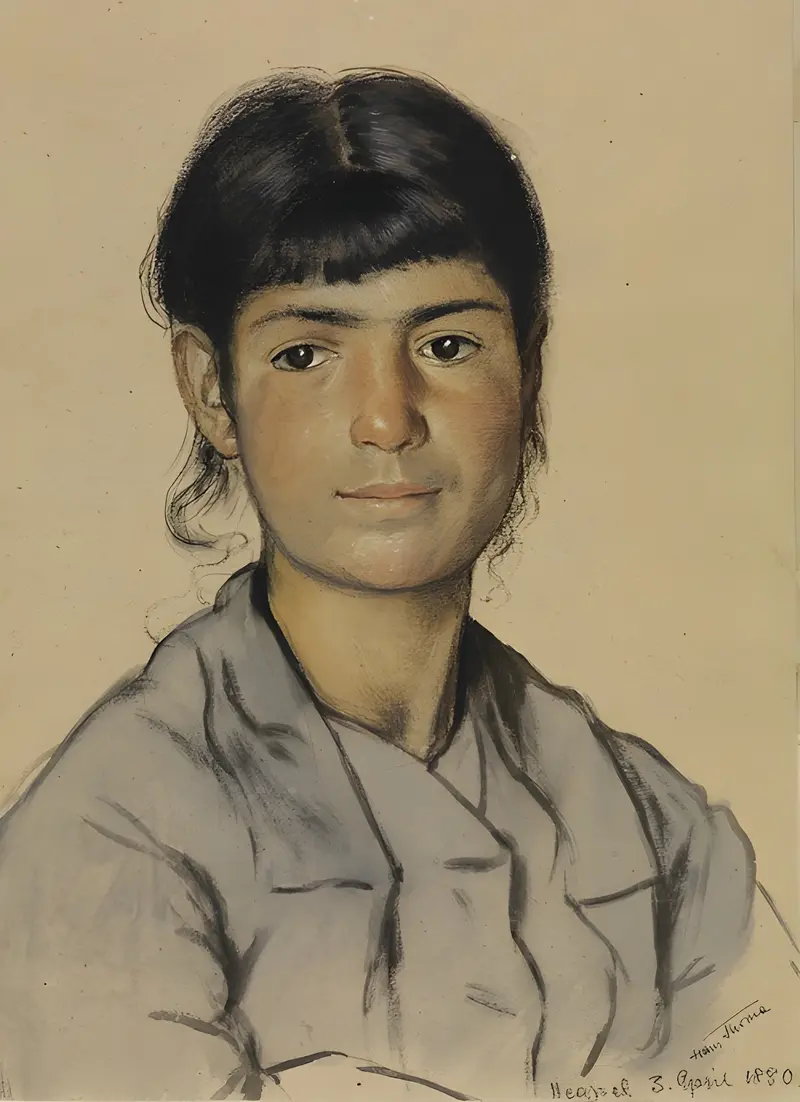
Portrait of a young Neapolitan woman
Hans Thoma
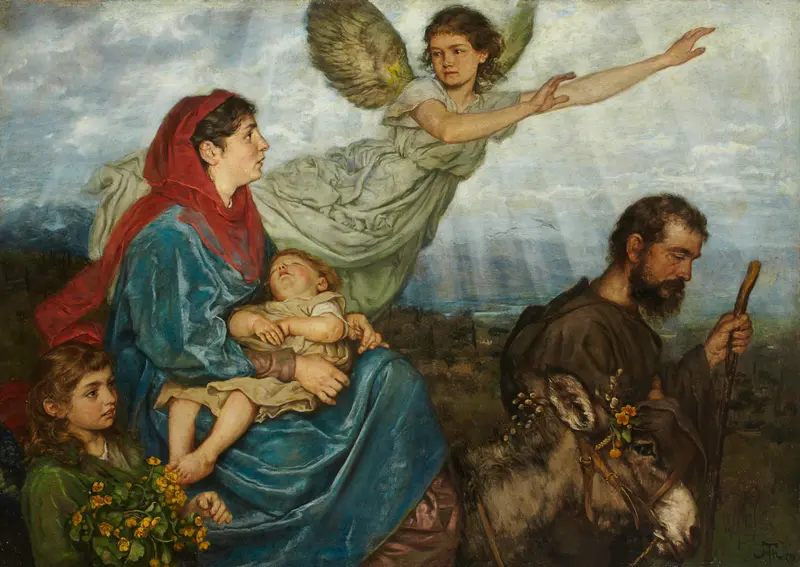
The Flight into Egypt
Hans Thoma
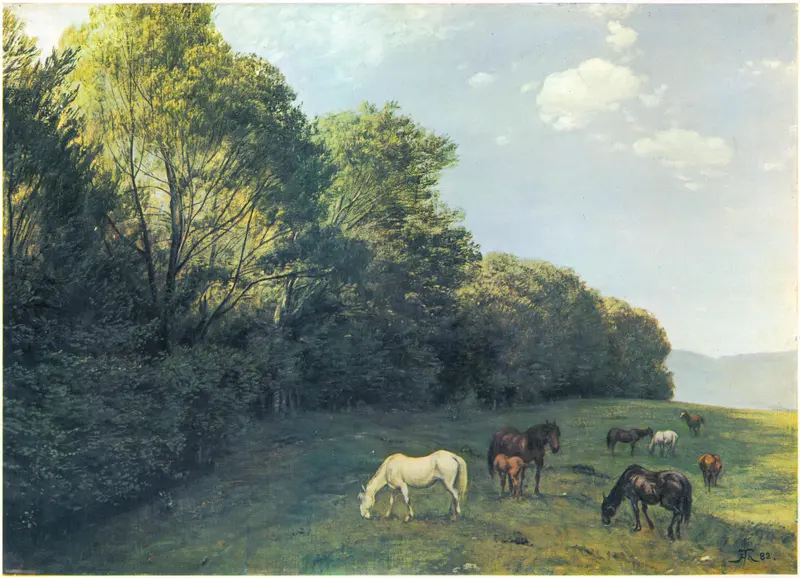
Landschaft mit weidenden Pferden
Hans Thoma
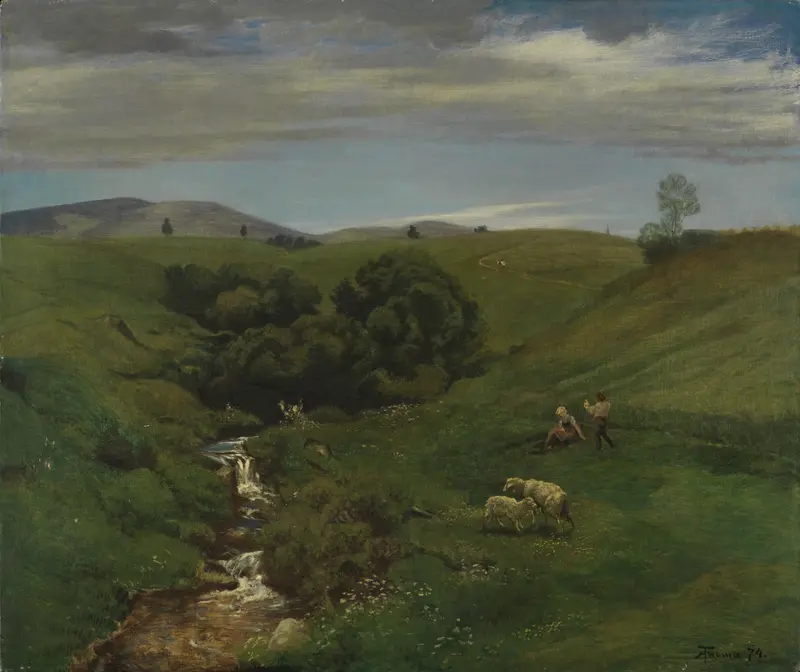
Black Forest Meadow near Bernau
Hans Thoma
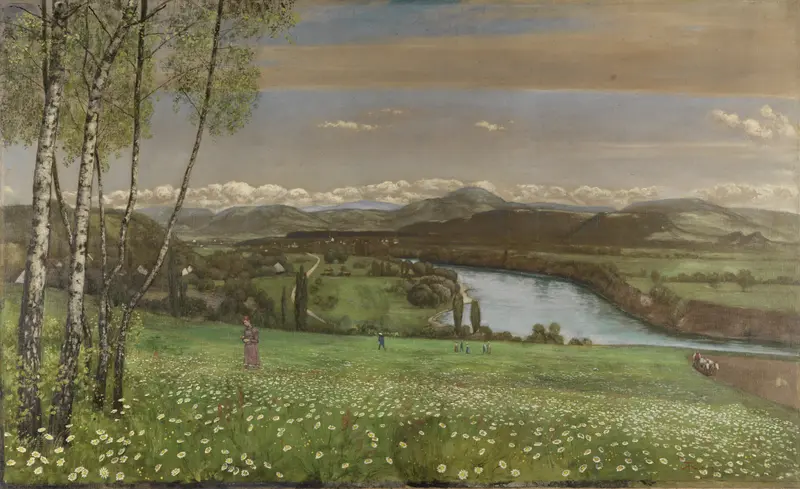
Das Rheintal bei Säckingen
Hans Thoma
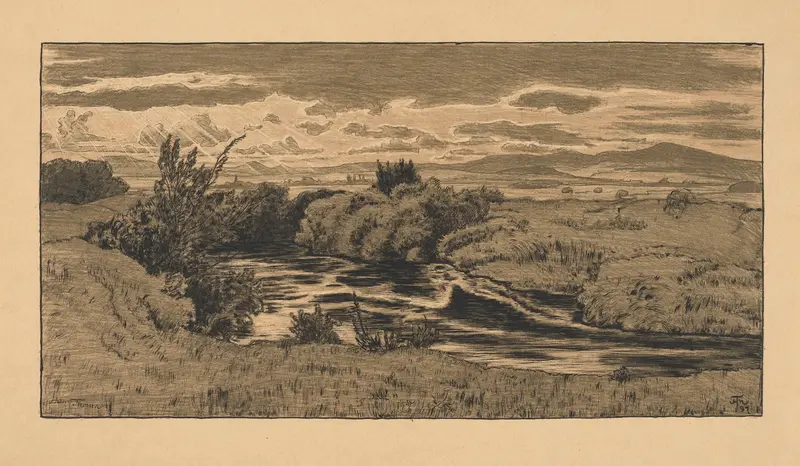
Evening by the Nidda River
Hans Thoma
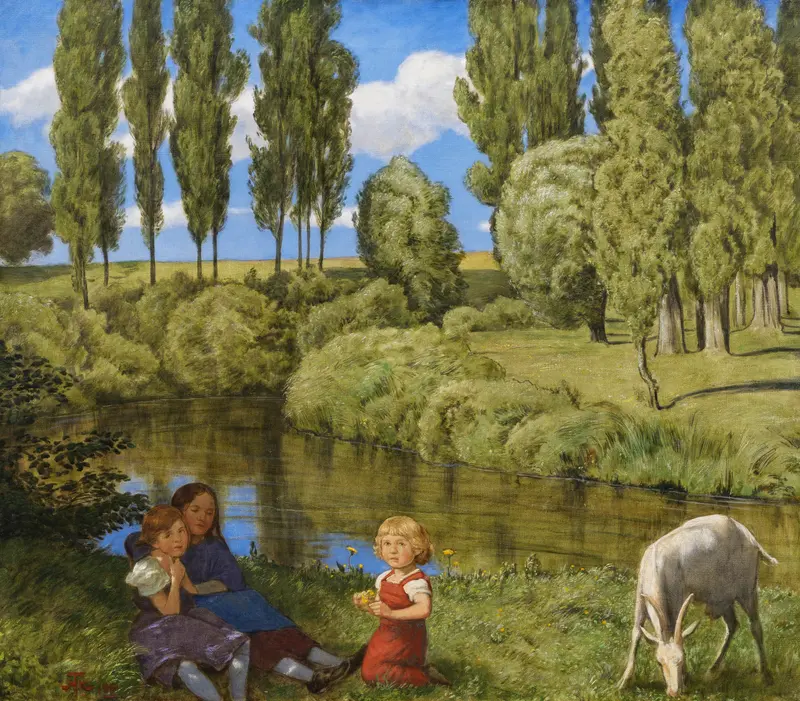
Am Stillen Bach
Hans Thoma





