
Regen im Schwarzwald — History & Facts
Can paint confess what words never could? In Regen im Schwarzwald, the rich interplay of colors and textures offers a glimpse into nature’s quiet conversation with the divine, inviting contemplation of faith and existence. Look closely at the canvas: your eyes should first be drawn to the verdant greens of the forest, where trees stand sentinel against the backdrop of a soft, overcast sky. Notice the delicate brushstrokes that bring forth the liquefied essence of rain, gently falling and blurring the edges of the landscape. The contrast between the vivid foliage and the muted hues above creates a palpable tension, evoking a sense of both serenity and unease, as nature breathes in the life-giving moisture. Delve deeper into the emotional layers woven within the scene.
The rain symbolizes renewal and the divine influence of nature, suggesting a presence felt but unseen. The light filtering through the trees hints at hope and serenity, a faithful promise that follows every storm. Every droplet becomes a testament to life’s cyclical nature, where sorrow and joy coexist in harmony; a reminder that faith thrives amidst the tumult. Hans Thoma painted this piece in 1882 in Germany, a time when the Romantic movement was shifting toward a more naturalistic interpretation of the landscape.
His works often reflected a deep connection to nature and spirituality, mirroring his personal journey and the evolving world of art. The burgeoning Impressionist influence can be felt here, as Thoma sought to capture fleeting moments of beauty while reflecting the spiritual resonance of the natural world.
More Artworks by Hans Thoma
Browse all →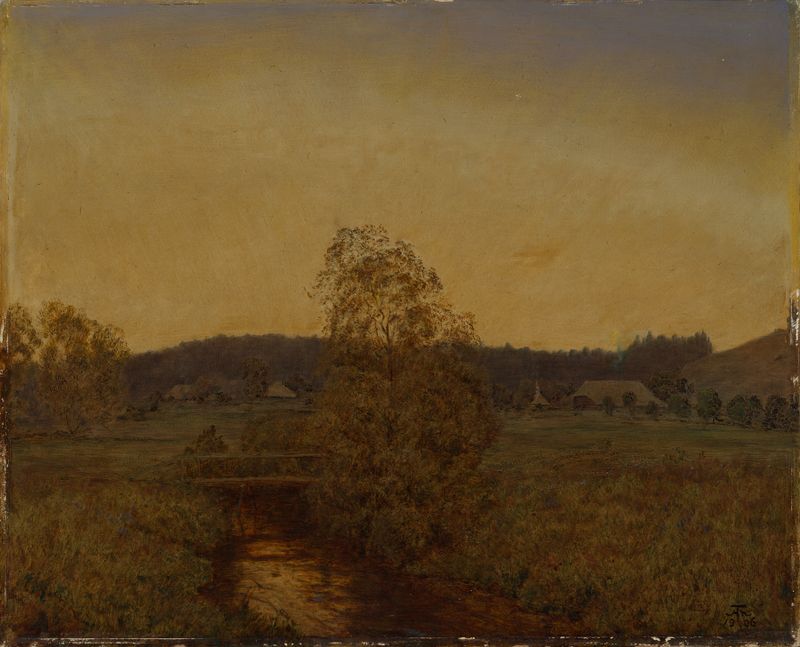
Der Abendstern
Hans Thoma
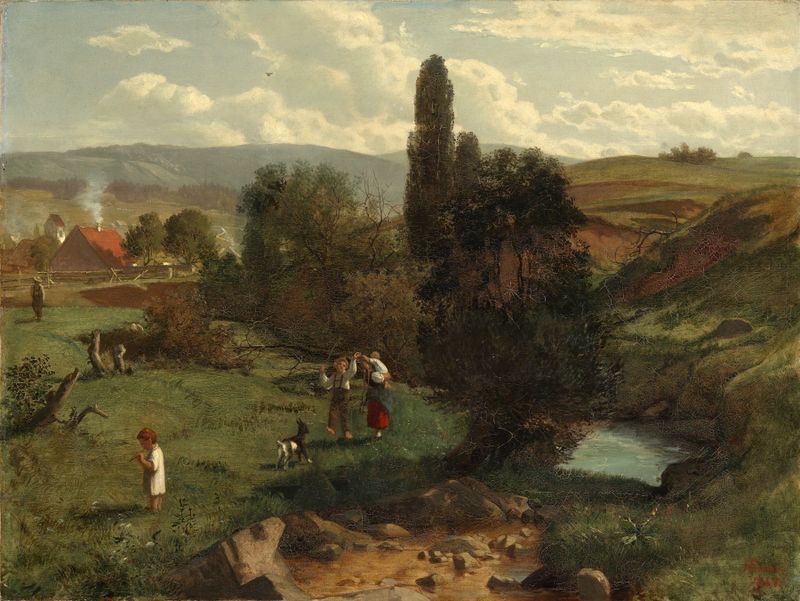
Schwarzwaldlandschaft
Hans Thoma
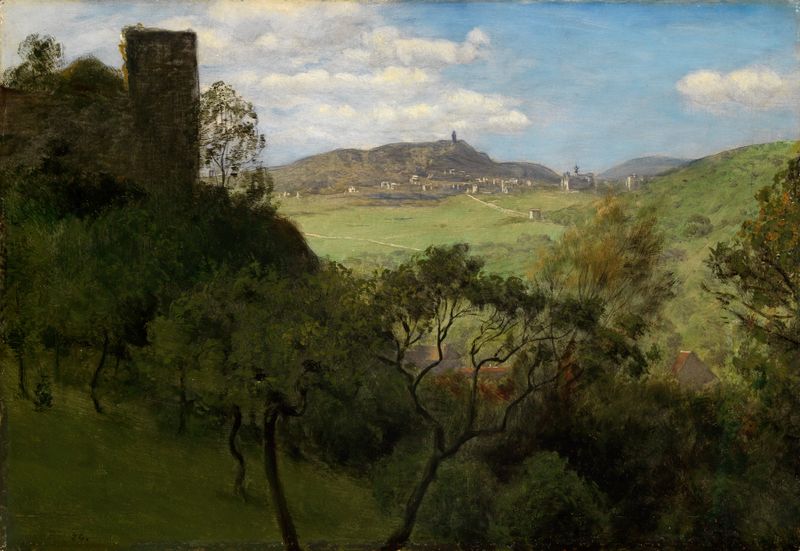
Blick auf Falkenstein im Taunus
Hans Thoma
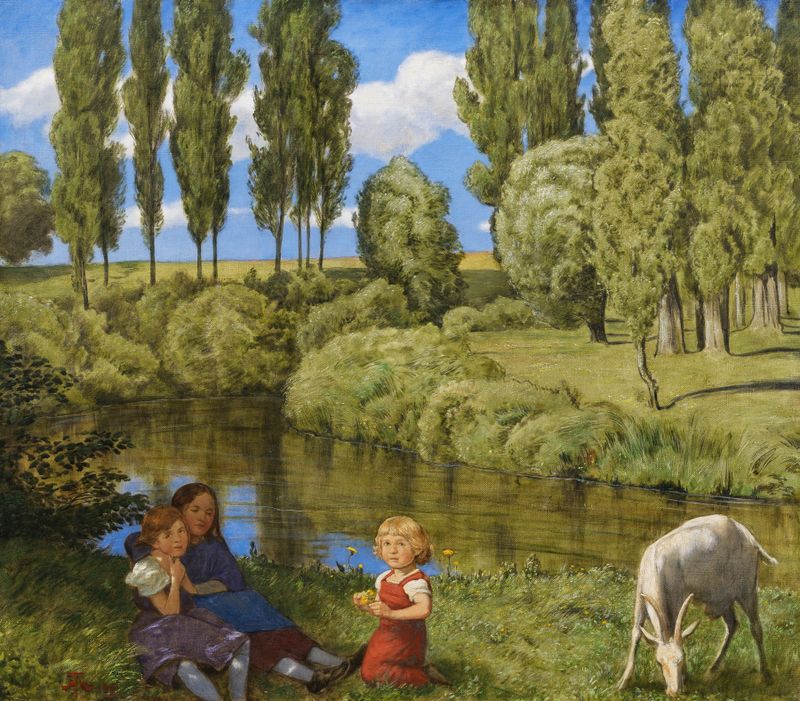
Am Stillen Bach
Hans Thoma
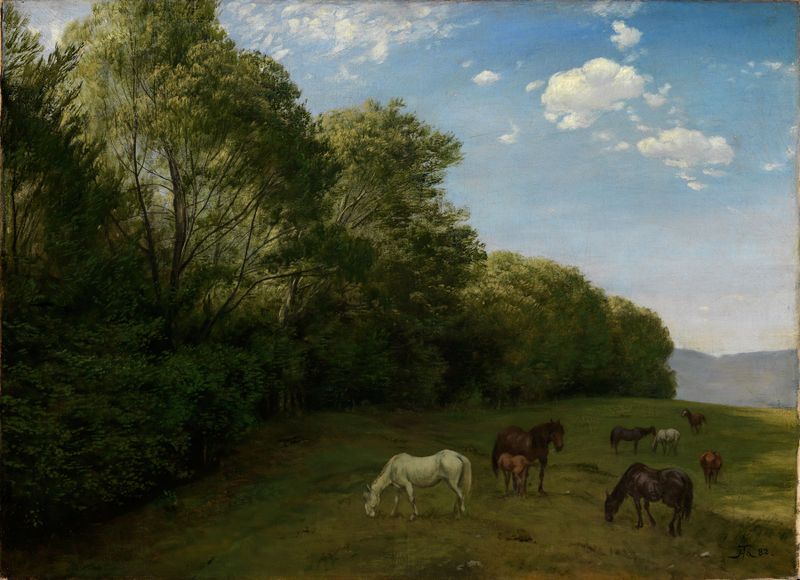
Landschaft mit weidenden Pferden
Hans Thoma
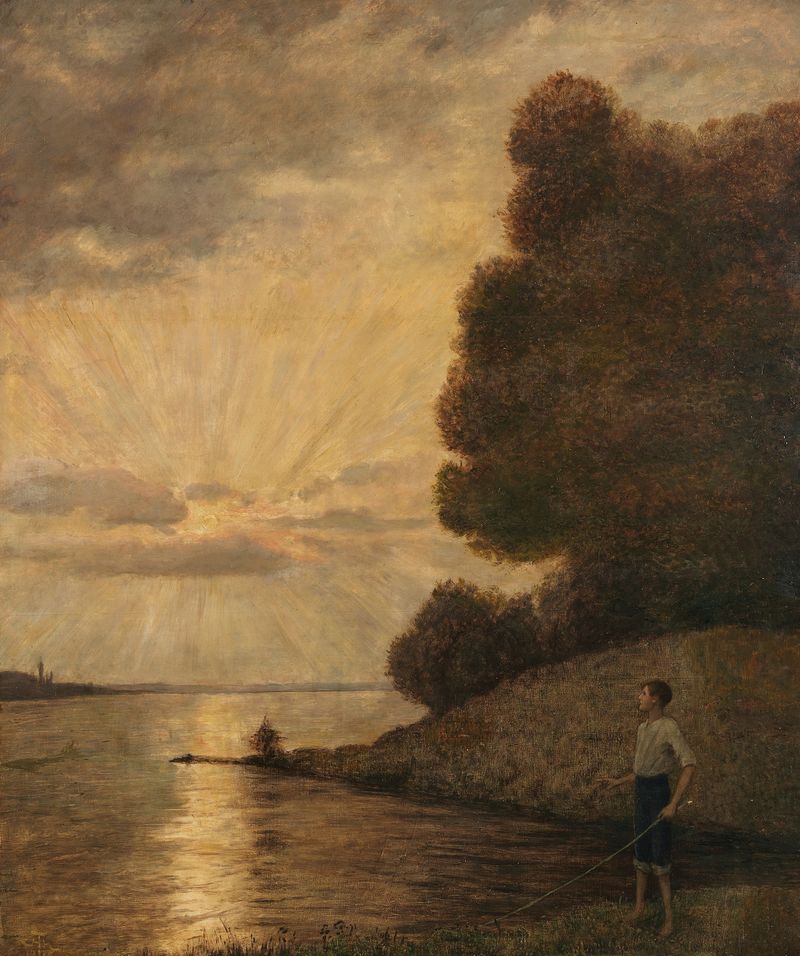
Sonnenuntergang am Oberrhein
Hans Thoma
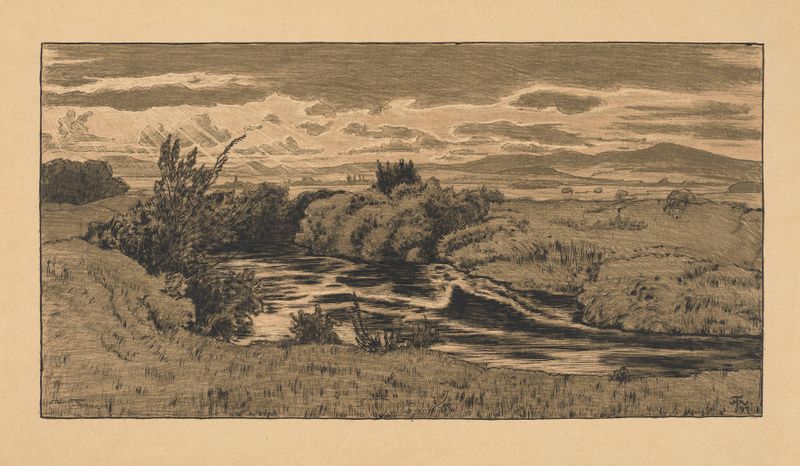
Evening by the Nidda River
Hans Thoma
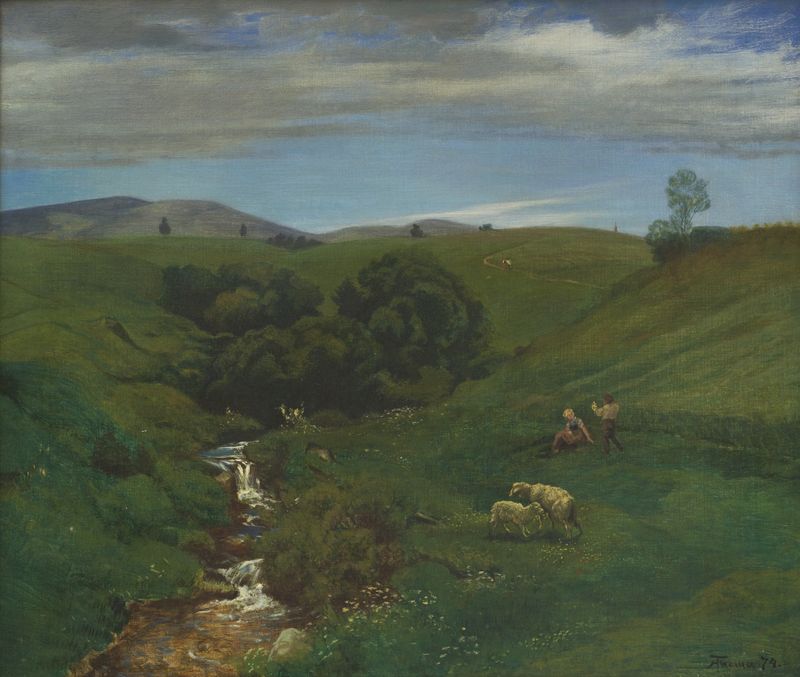
Black Forest Meadow near Bernau
Hans Thoma
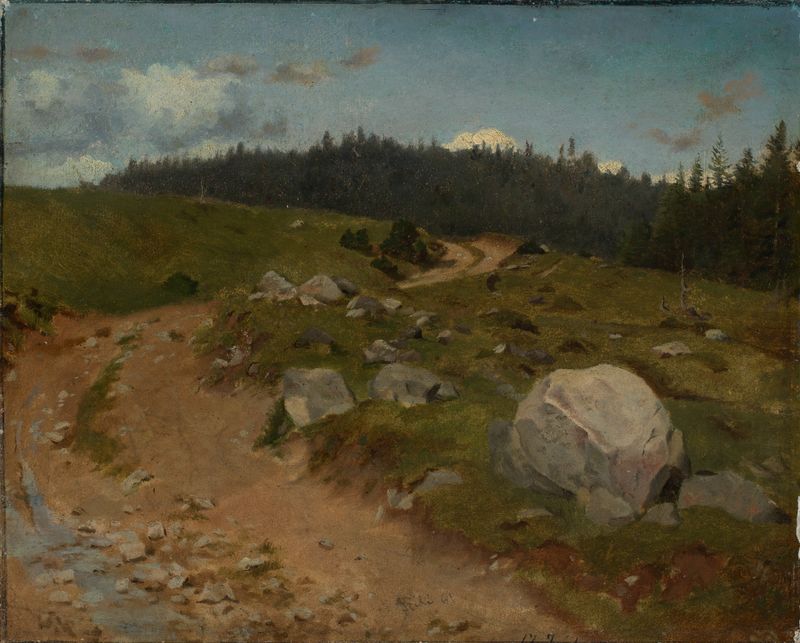
Steiniger Weg am Waldrand
Hans Thoma
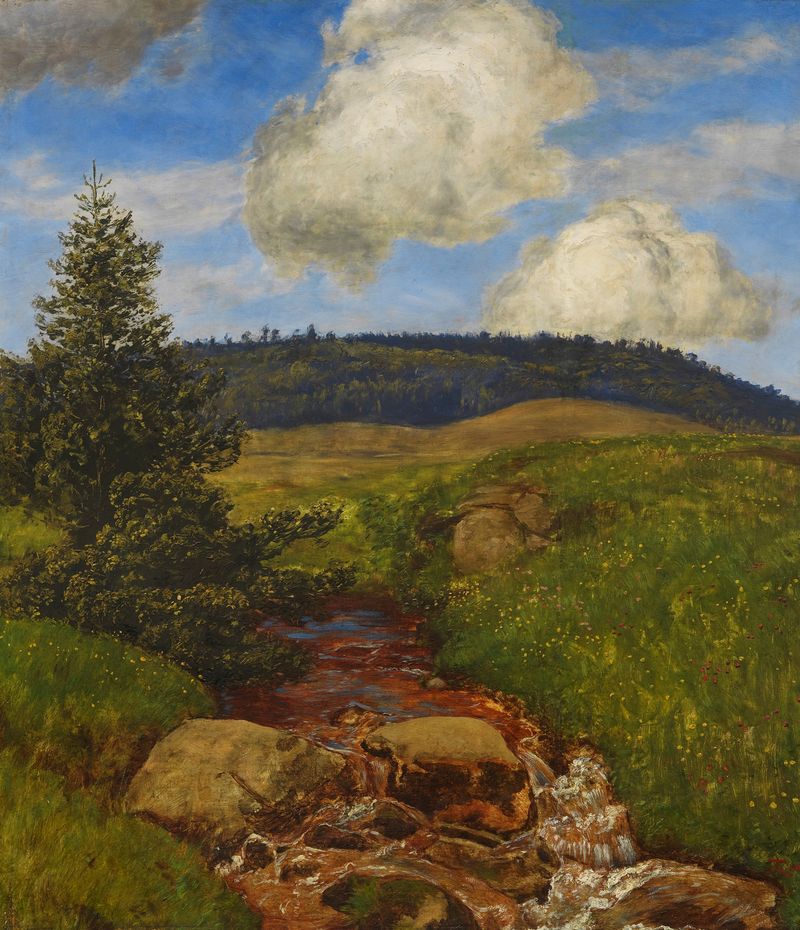
Schwarzwaldbach
Hans Thoma





