
Evening by the Nidda River — History & Facts
Within the tranquil frame of this painting lies a profound stillness that invites introspection, mirroring the quietude of the human experience. The scene captures not just a moment in time, but a reflective space where thoughts are allowed to surface like ripples on still water. Look to the left at the gentle arch of the riverbank, where soft hues of green and gold blend seamlessly to create a tender embrace of nature. Notice how the golden light of the setting sun caresses the landscape, illuminating the quiet water while shadows curl softly at the edges.
The composition draws your eye to the interplay of light and reflection, where the river becomes a mirror, inviting viewers to ponder what lies beneath the surface. Delve deeper into the emotional fabric of the work, where the flowing water suggests the passage of time and the ephemeral nature of existence. Consider the serene figures in the distance, seemingly lost in thought, embodying the tension between solitude and connection. Their stillness contrasts with the lively warmth emanating from the rich colors, evoking a sense of nostalgia and longing for moments passed. In 1897, Hans Thoma painted this masterpiece during a period of artistic transition in Germany, where Impressionism was beginning to influence traditional styles.
Thoma was deeply engaged with nature and the rural life of the Black Forest, reflecting his personal connection to the landscape. This artwork encapsulates his desire to harmonize the beauty of the natural world with the introspective journey of the human spirit.
More Artworks by Hans Thoma
Browse all →
Der Abendstern
Hans Thoma
Schwarzwaldlandschaft
Hans Thoma
Blick auf Falkenstein im Taunus
Hans Thoma
Am Stillen Bach
Hans Thoma
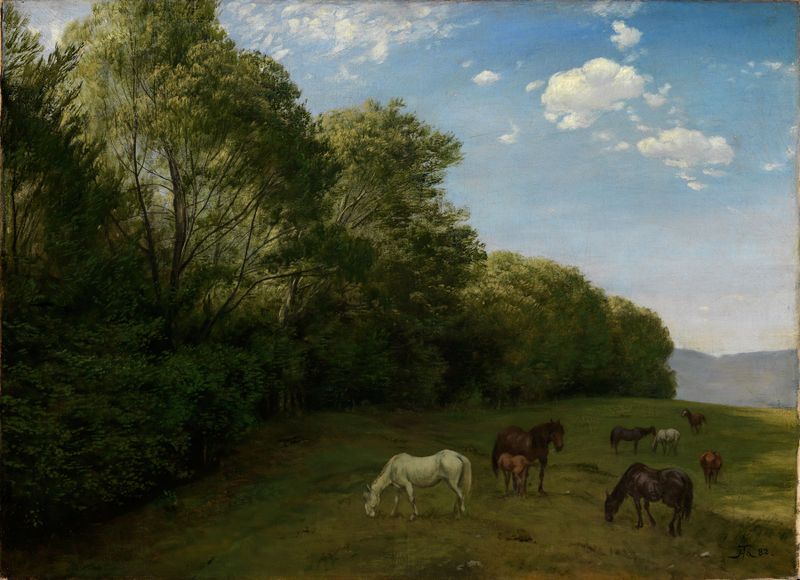
Landschaft mit weidenden Pferden
Hans Thoma
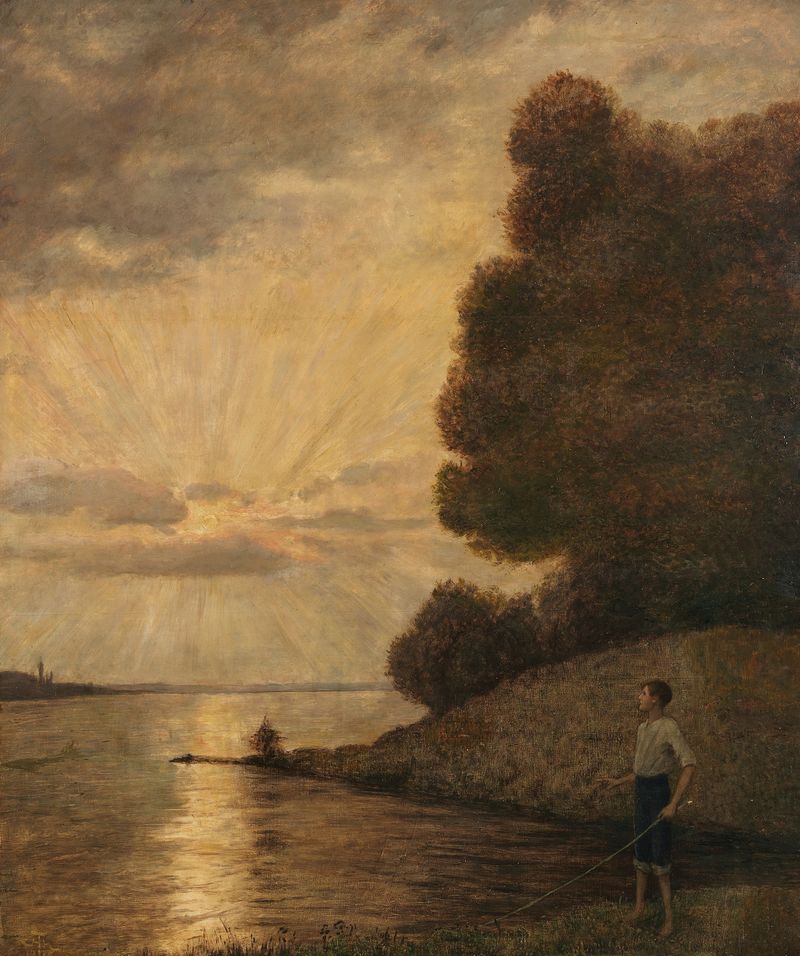
Sonnenuntergang am Oberrhein
Hans Thoma
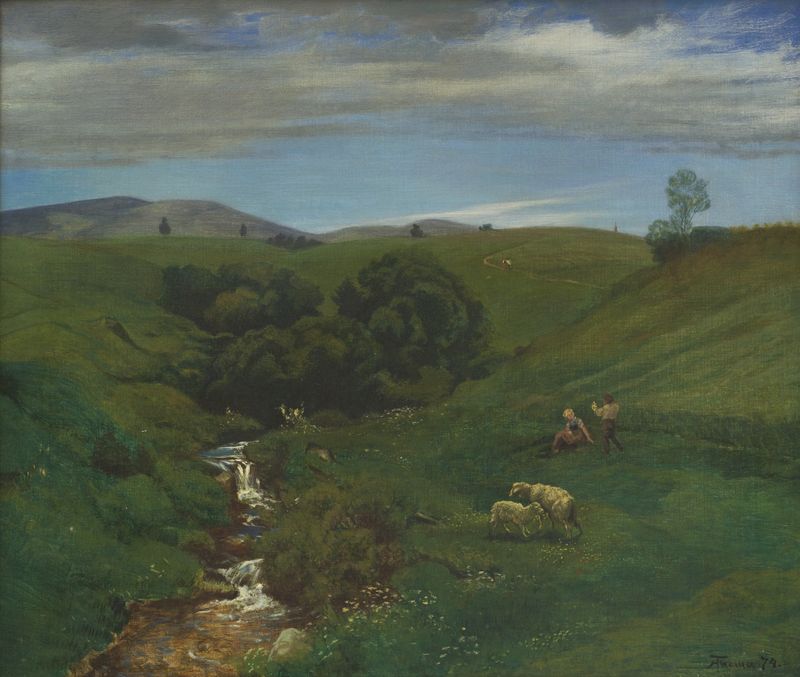
Black Forest Meadow near Bernau
Hans Thoma
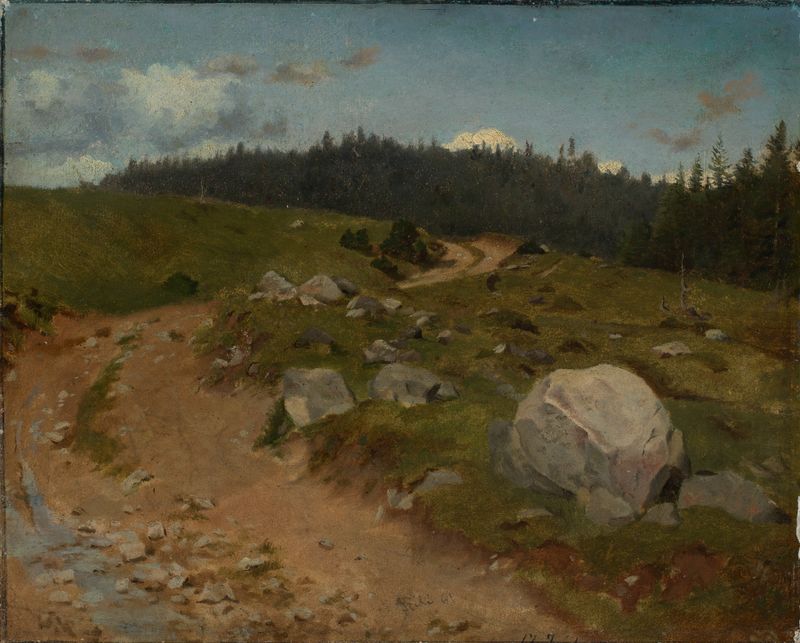
Steiniger Weg am Waldrand
Hans Thoma
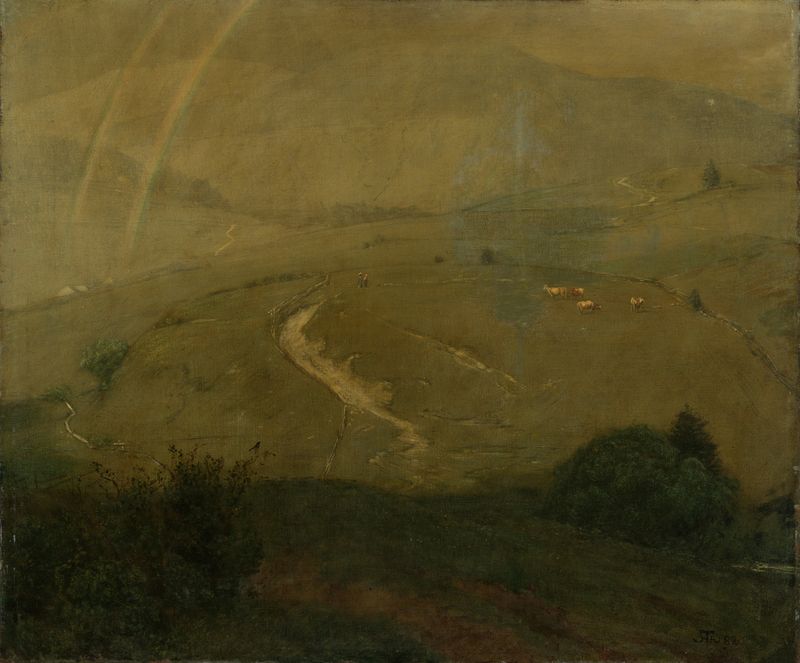
Regen im Schwarzwald
Hans Thoma
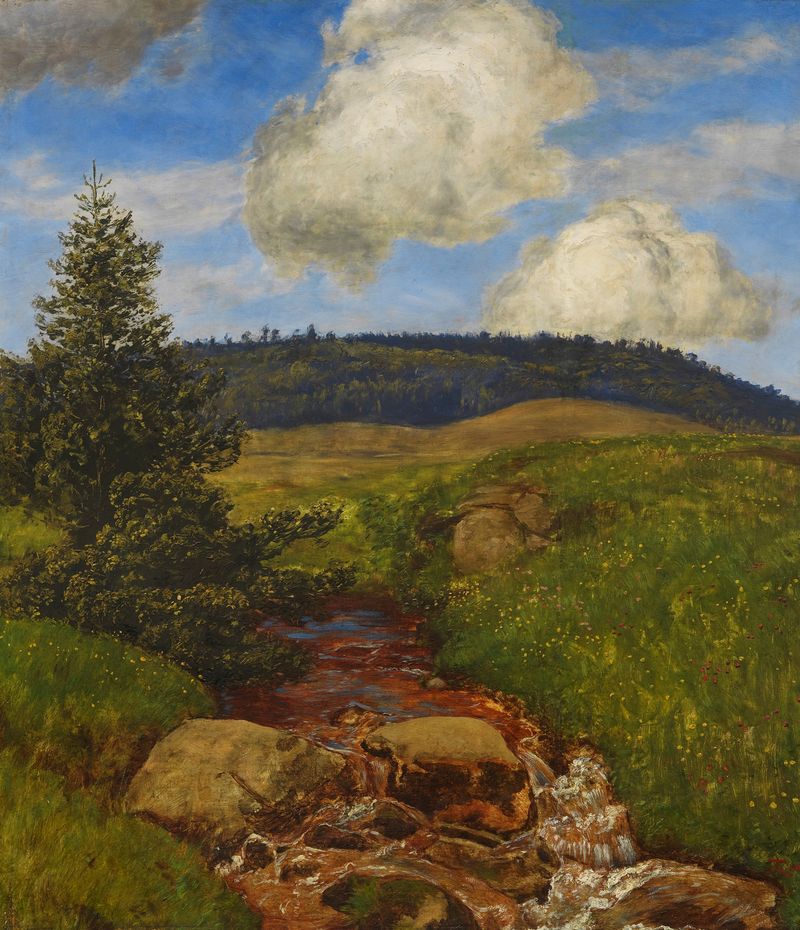
Schwarzwaldbach
Hans Thoma





