September en oktober — History & Facts
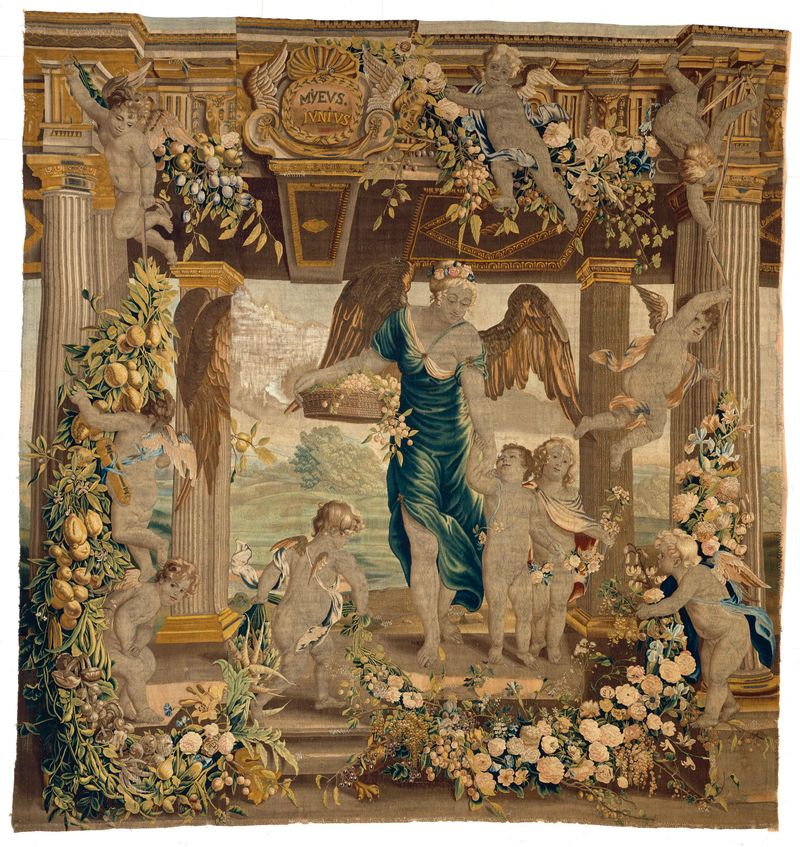
The delicate dance of light on the canvas beckons us into a realm where dreams and reality entwine, revealing the bittersweet layers of existence. Focus first on the golden hues that spill across the foreground, casting a warm glow over the carefully arranged fruits and flowers. Notice how the artist’s meticulous brushwork captures each detail—the soft petals of the blooms and the luminous sheen of ripe oranges—as they invite the viewer into this moment suspended in time. The careful composition draws the eye, leading us from the vibrant centerpiece to the darker, shadowed edges that frame this intimate tableau. Yet, beyond the surface beauty lies a deeper emotional resonance.
The juxtaposition of the vibrant colors against the somber undertones hints at the transient nature of life and the inevitability of decay. Each fruit, while luscious and inviting, carries an undertone of impermanence, suggesting a fleeting dream that is beautiful yet tinged with sadness. The elegant arrangement speaks to balance and harmony, yet the shadows whisper of what is lost. Created between 1650 and 1680, this work emerges from a period when the artist found himself immersed in the rich tradition of still life painting, a genre that reflected both the opulence of the time and the philosophical undertones of mortality.
Leyniers, active in the Netherlands, was part of a community that prized the interplay of light and texture, yet also grappled with themes of transience and the passage of time, echoing the broader cultural sentiments of the Dutch Golden Age.