Mei en juni (fragment) — History & Facts
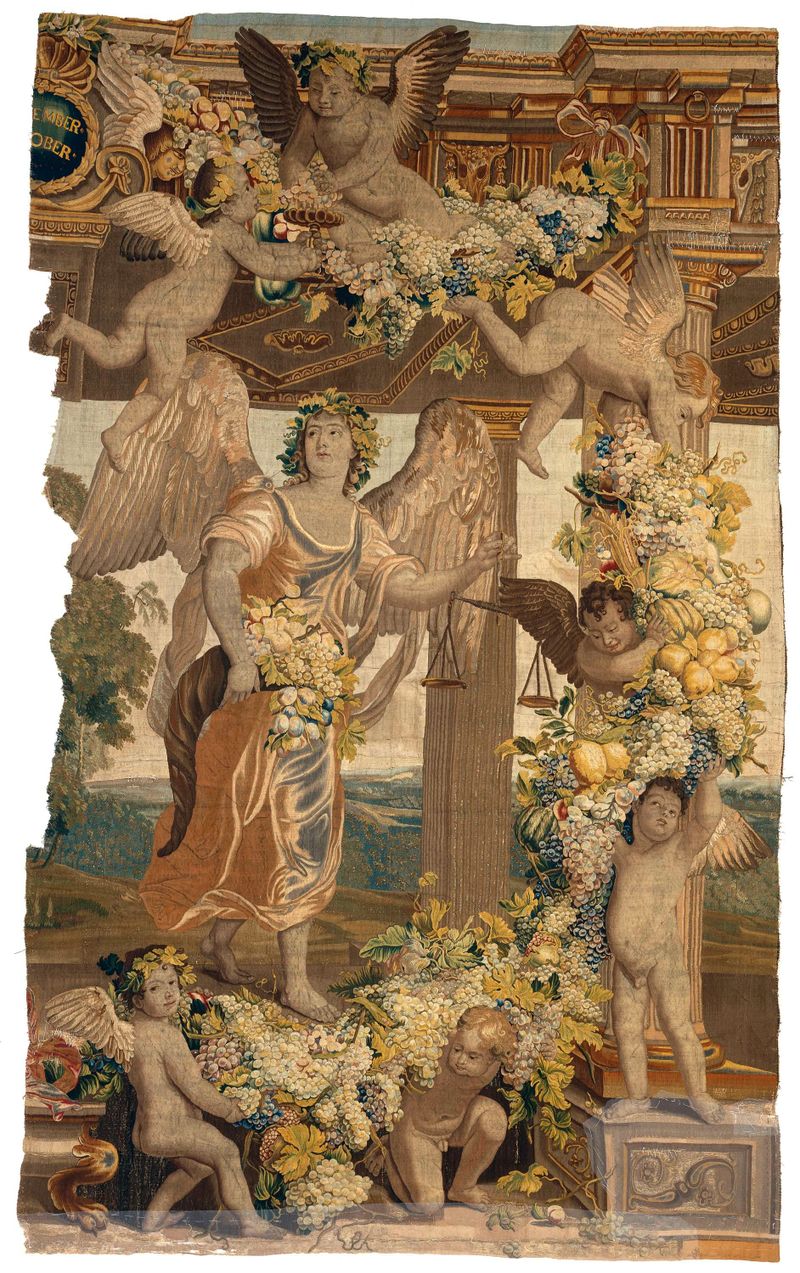
Can beauty exist without sorrow? The answer lies in the delicate balance captured in the fragments of life that define our existence. Look to the center of the piece; you’ll notice an elegant arrangement of flora, resplendent in colors that dance between vibrancy and decay. The lush greens intermingle with the soft blushes of petals, creating a visual symphony that celebrates life even as it hints at its transience. Notice how the light bathes the blooms, illuminating their textures while casting shadows that speak of the inevitable fading of their beauty. Within this captivating scene, the juxtaposition of vibrant blossoms against darker undertones elicits an emotional tension.
The fleeting nature of the flowers serves as a reminder of mortality, evoking a sense of longing for the ephemeral moments that color our lives. Each stroke of paint not only captures beauty but also instills an undercurrent of fear, as the viewer confronts the fragility of existence, transformed into art. During the period when this piece was created, the artist was immersed in the rich tapestry of the Dutch Golden Age, where still life flourished as a genre. Leyniers, active between 1650 and 1680, produced works that reflected both the aesthetic and philosophical queries of his time.
He navigated personal and societal complexities while contributing to a broader exploration of life’s fleeting moments, thus embedding layers of meaning into his compositions.