Servet van damast — History & Facts
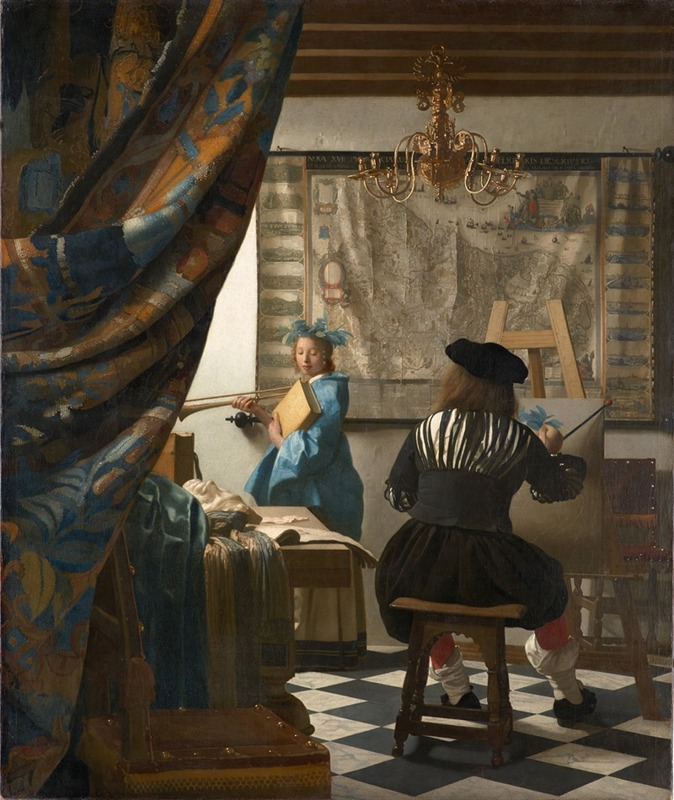
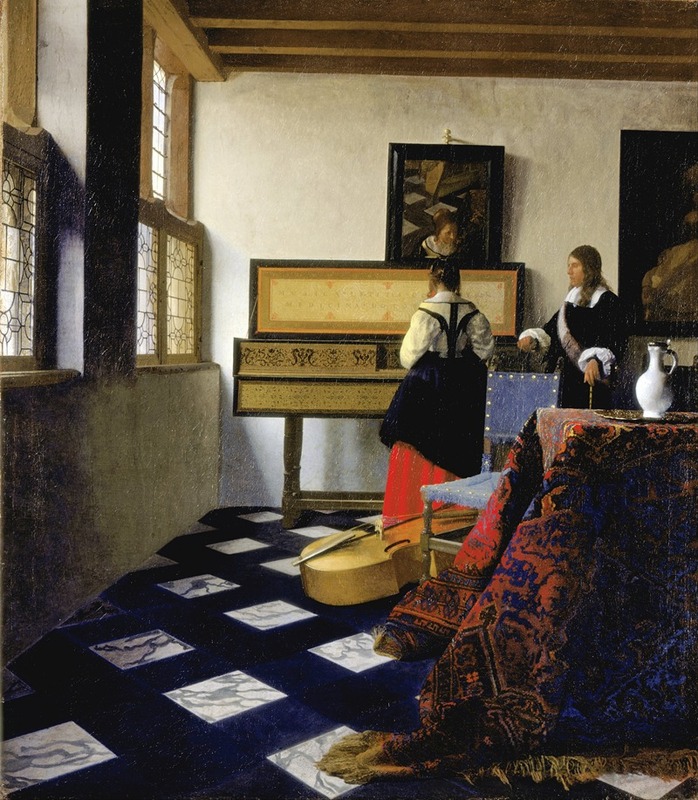
In the stillness of a forgotten room, the fabric drapes quietly, echoing stories of solitude and yearning. Each thread woven within the damask whispers of a past life, holding the essence of loneliness wrapped in intricate patterns. Look closely at the rich fabric that spans this artwork, with elegant swirls and delicate motifs that draw the eye. Notice how the artist has meticulously captured every fold and crease, allowing the damask to seem almost alive.
The interplay of light and shadow enhances the textures, bringing depth to the surface and inviting the viewer to trace its history with their gaze. Beneath the surface, the work speaks to the isolation that often accompanies beauty. The opulence of the material contrasts with the stark emptiness of the surrounding space, creating a profound tension. Each swirl of the design may represent unfulfilled desires, while the absence of figures evokes a haunting sense of abandonment—an invitation to reflect on what remains unsaid. Created between 1757 and 1800, this masterpiece of textile art emerged during a period where personal expression was increasingly valued.
The artist, whose identity remains cloaked in mystery, likely sought to encapsulate the emotional weight of solitude within the vibrant patterns. This era was marked by a fascination with craftsmanship and aesthetic beauty, revealing a world eager to explore the depths of human experience through material forms.