Servet van wit linnendamast — History & Facts
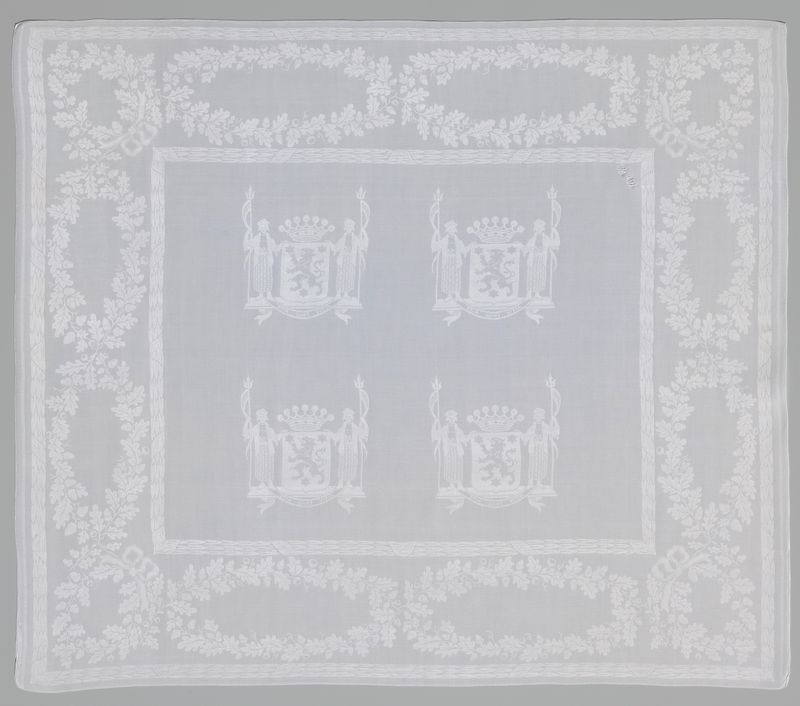
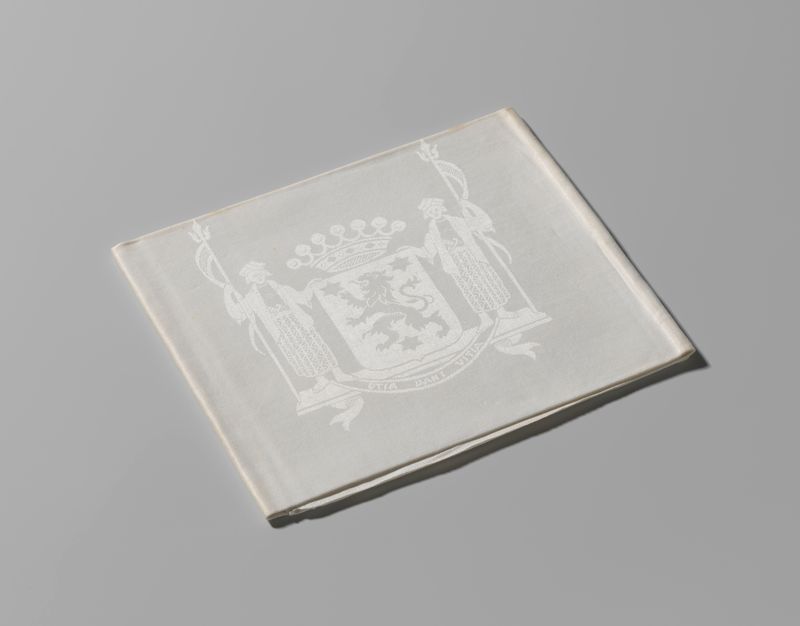
What secret hides in the quiet of the canvas? In the stillness of Servet van wit linnendamast, a sense of hope emerges, inviting the viewer to delve deeper into its serene depths. Look to the upper left at the delicate patterns woven into the fabric that billows gently in the imaginary breeze. The play of light illuminates the soft folds, highlighting the craftsmanship of the linen while contrasting with the muted earth tones that anchor the composition. As the viewer’s gaze travels down, it encounters the subtle brushwork that whispers of warmth and tranquility, enveloping the scene in an atmosphere of calm contemplation. Beneath the surface, this piece reveals the tension between materiality and ethereality.
The linen, both commonplace and precious, symbolizes the ordinary moments that hold profound meaning. As the light dances over the fabric's texture, it mirrors the fragility of hope, gently suggesting that even in simplicity lies the potential for beauty and renewal. The understated palette reinforces this emotional resonance, evoking a quiet strength that speaks to the human experience. Created between 1852 and 1889, the painting emerged during a transformative period for the brothers Rath, who were establishing their reputation in the art world.
Focused on capturing everyday life and the beauty found within it, they contributed to a growing appreciation for domestic scenes in the 19th century, reflecting a shift towards valuing the ordinary. This work encapsulates their artistic journey and the cultural context of their time, intertwining personal narrative with broader social themes.
More Artworks by gebroeders Rath (firma)
Browse all →
Servet van wit linnendamast
gebroeders Rath (firma)
Servet van wit linnendamast
gebroeders Rath (firma)

Servet van wit linnendamast
gebroeders Rath (firma)

Servet van wit linnendamast
gebroeders Rath (firma)

Servet van wit linnendamast
gebroeders Rath (firma)
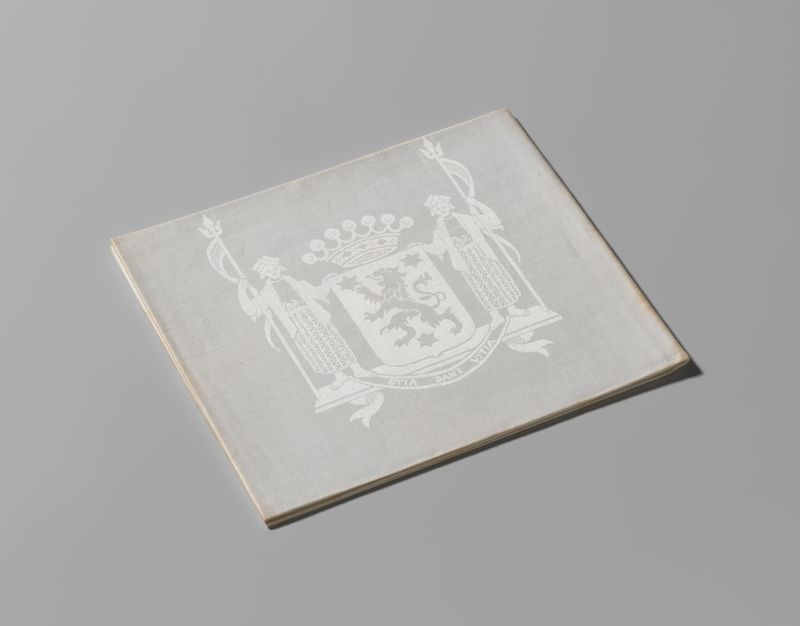
Servet van wit linnendamast
gebroeders Rath (firma)
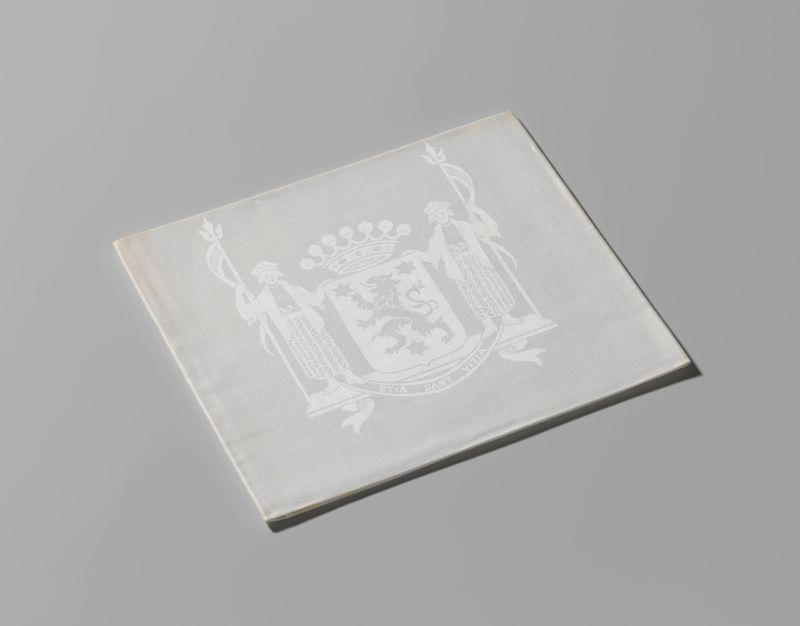
Servet van wit linnendamast
gebroeders Rath (firma)
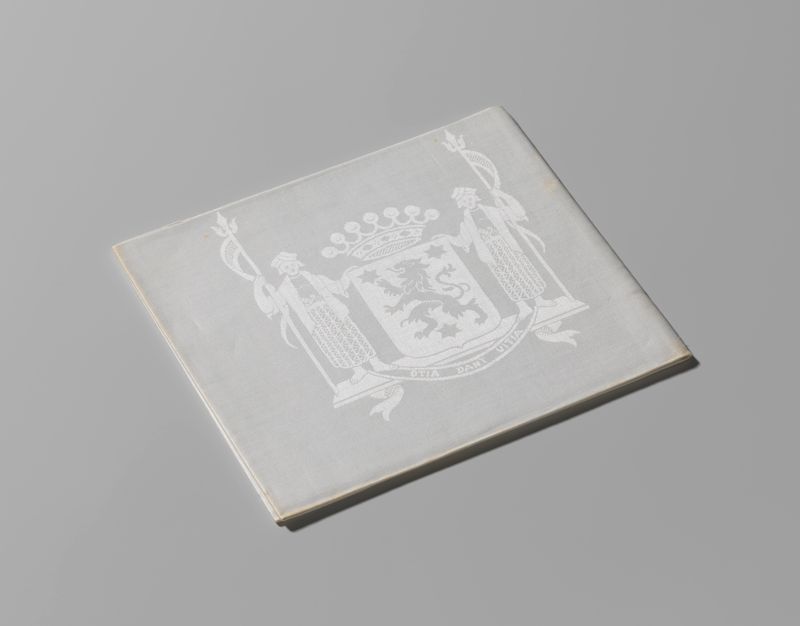
Servet van wit linnendamast
gebroeders Rath (firma)
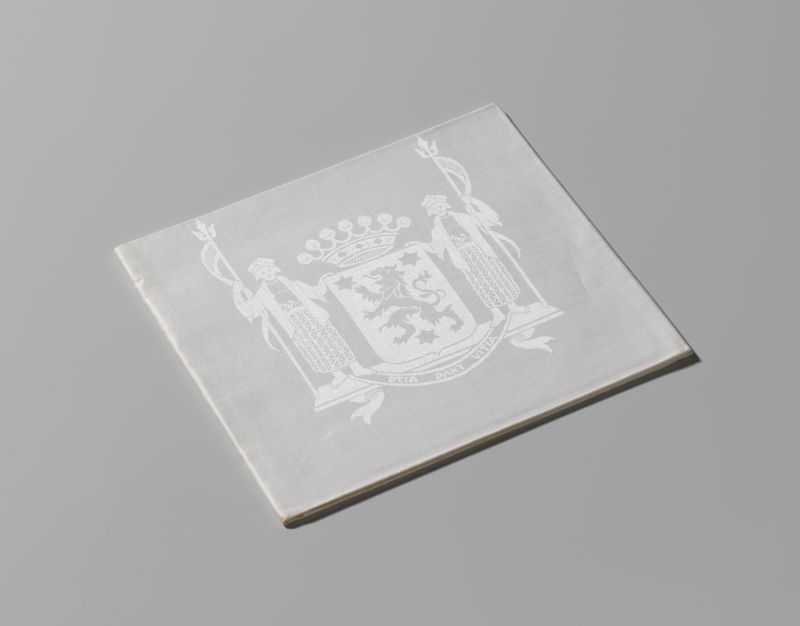
Servet van wit linnendamast
gebroeders Rath (firma)
Servet van wit linnendamast
gebroeders Rath (firma)