Shepherds with Sheep in a Mountainous Landscape — History & Facts
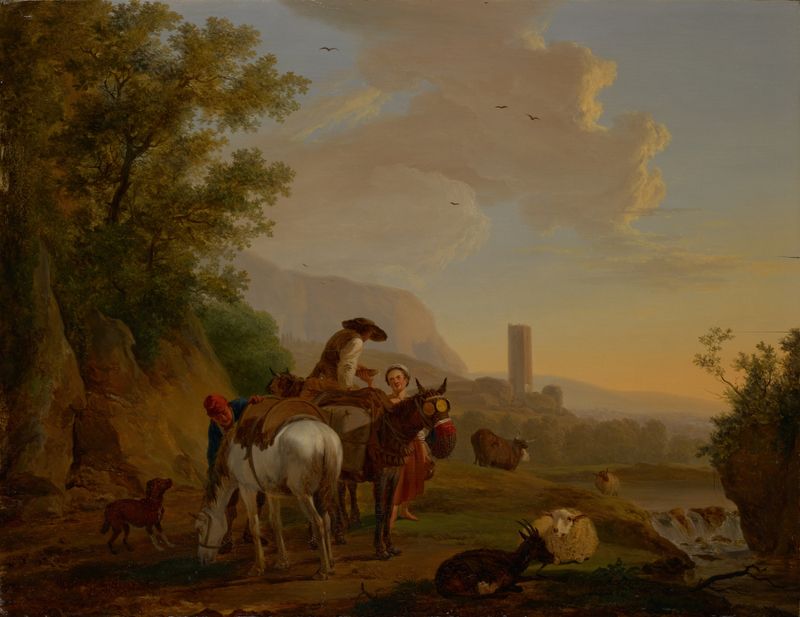
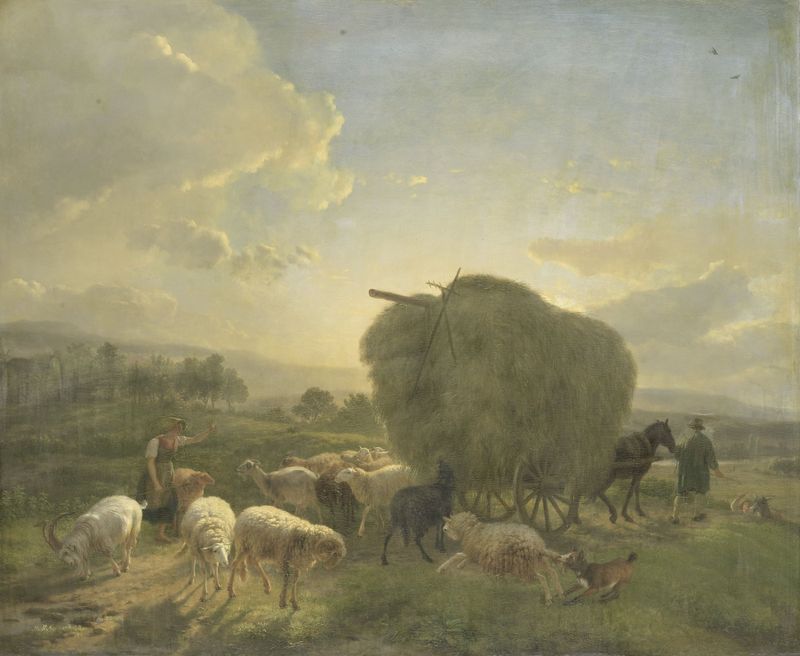
Where does light end, and longing begin? In the intricate dance of nature and humanity, the boundary often blurs, inviting us to transcend the ordinary. Look to the right at the gentle curve of the hillside, where a flock of sheep grazes peacefully under the soft embrace of early dawn. The artist employs a nuanced palette of greens and earth tones that breathe life into the landscape, while the delicate brushstrokes capture the wisps of clouds intermingling with the distant peaks. Notice how the glow of sunlight breaks through, illuminating the figures of the shepherds, their postures suggesting a quiet communion with the land. As you delve deeper into the scene, observe the juxtaposition between the rugged mountains and the serene figures below.
The shepherds, with their weathered faces, embody a deep connection to the earth, while the sheep symbolize the innocence of nature. This contrast evokes a sense of harmony within the chaos of wild landscapes, inviting the viewer to reflect on the simplicity of pastoral life against the grand expanse of the sublime. Balthasar Paul Ommeganck created this piece during a time when romanticism was influencing the art world, likely in the late 18th to early 19th century. Based in Flanders, he was known for his landscapes that often celebrated rural life, a contrast to the urbanization sweeping across Europe.
Amid these changes, he found solace in depicting the timeless relationship between humanity and nature, reinforcing a sense of belonging that resonates with viewers even today.