Shortland, Thames — History & Facts
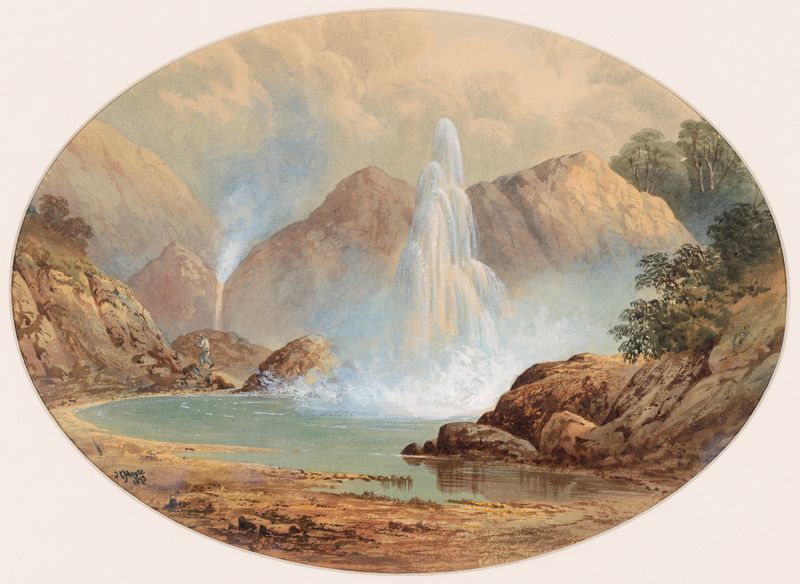
What secret hides in the quiet of the canvas? The stillness of the scene invites contemplation, echoing the delicate balance between nature and humanity. Look to the left at the gentle curve of the Thames, where its waters reflect a soft palette of blues and greys, merging seamlessly with the overcast sky. The distant shoreline rises softly, punctuated by the silhouettes of trees, grounding the composition. Notice how the light subtly illuminates the boats, their sails unfurled yet still, embodying the calmness of the moment.
The artist’s use of muted colors creates a harmonious aura, inviting viewers to linger in the serene atmosphere. Beneath this tranquil exterior lies a tension between nature and the encroachment of civilization. The boats, while symbols of human ingenuity, float among the natural world, suggesting a fragile coexistence. The shadowed areas of the painting hint at the uncertainty of progress, as if the viewer is caught in a moment before change sweeps in.
This interplay of light and dark reveals a deeper narrative, urging reflection on our relationship with the environment. In 1868, the artist was immersed in the picturesque landscapes of England's Thames region, where he sought to capture the essence of its natural beauty. During this period, the world was undergoing rapid industrialization, and Hoyte’s work stands as a serene counterpoint to these societal shifts. He sought to preserve the quiet dignity of the river and its surroundings, offering a moment of respite amid the changing tides of history.