
Shrimp Fishermen — History & Facts
Where does light end, and longing begin? In Shrimp Fishermen, a warm glow envelops the scene, awakening the intimate connection between man and nature, between labor and serenity. Look to the left at the two fishermen, their silhouettes contrasted against the shimmering surface of the water. The soft brushstrokes capture the undulating motion of the waves, while hues of ochre and blue converge, creating a harmonious palette that breathes life into their surroundings. The sunlight dances on the water, illuminating their focused expressions — a testament to their silent dedication. Beneath this tranquil exterior lies a profound tension.
The fishermen’s serene task, intimate and repetitive, echoes the cyclical nature of existence, a quiet reminder of both sustenance and struggle. Notice the empty space surrounding them; it communicates a sense of isolation in their endeavor, yet simultaneously reveals the boundless horizon and the promise it holds. The juxtaposition of vibrant color against the melancholy of solitude stirs a deep emotional resonance, inviting contemplation of what dreams and aspirations linger just beyond the water's edge. In 1913, Moret painted this piece in France, during a period marked by the rise of Impressionism and its transformative influence on the art world.
As he immersed himself in the coastal landscapes, he sought to capture fleeting moments of beauty and the essence of everyday life, reflecting a broader shift towards capturing human emotion in simple scenes. The world was on the brink of change, yet in his work, one finds a quiet refuge, a celebration of the ordinary.
More Artworks by Henry Moret
Browse all →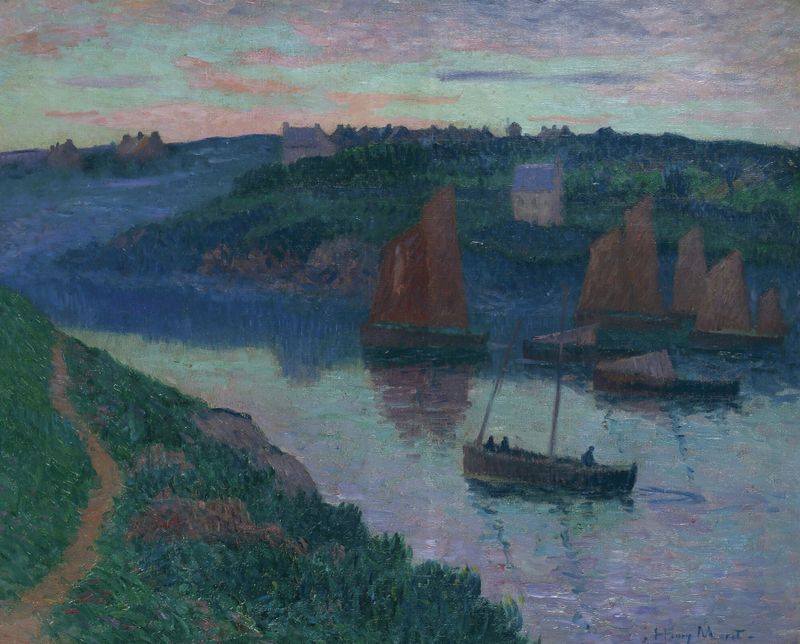
Bateaux De Pêche En Bretagne
Henry Moret
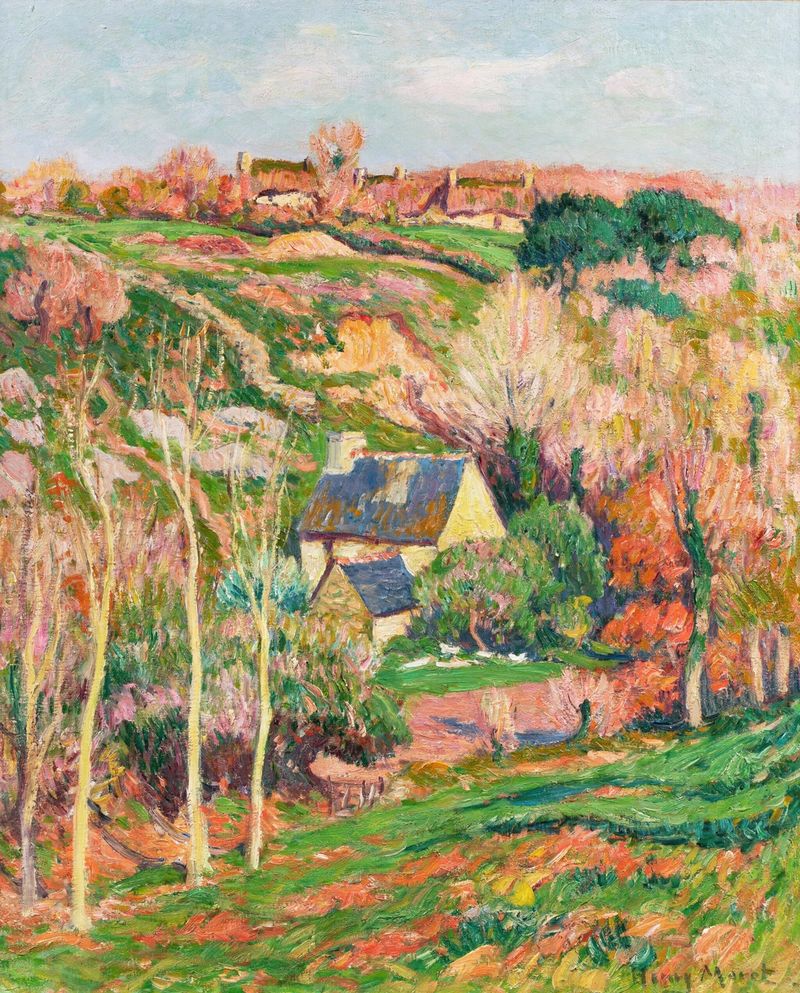
Fermes en Bretagne
Henry Moret
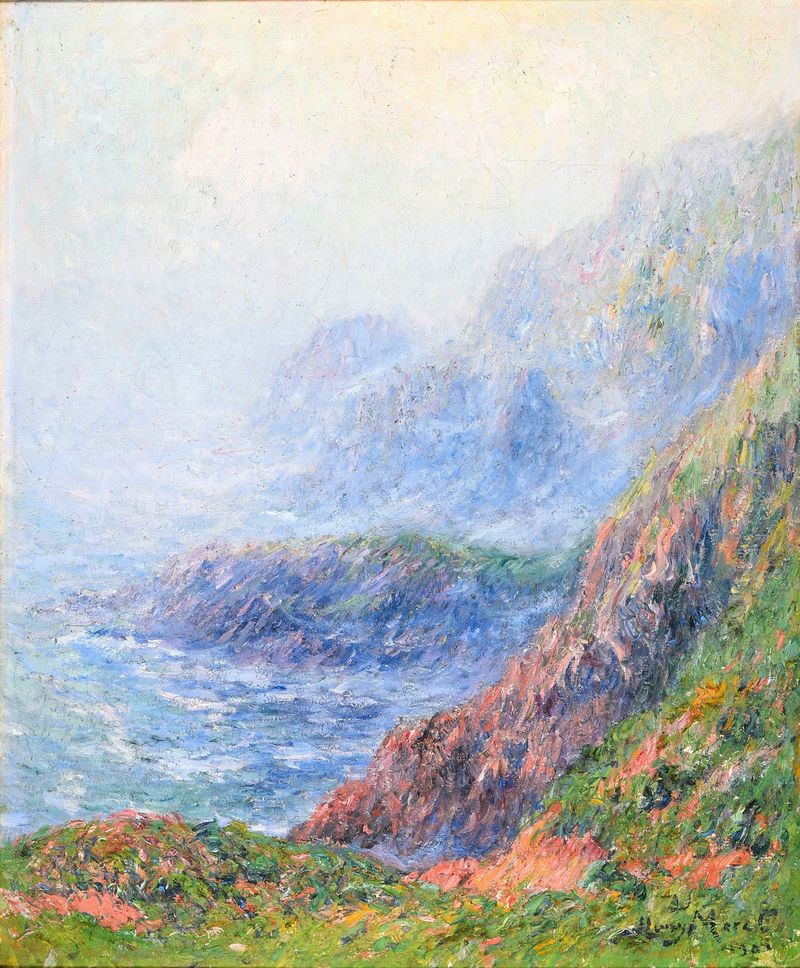
Matinée brumeuse à Ouessant
Henry Moret
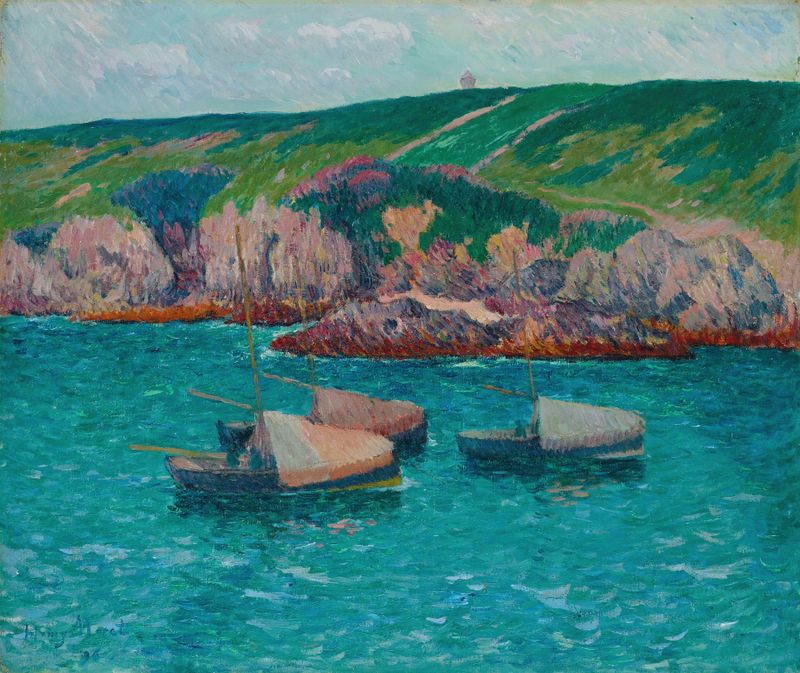
Les Barques à Doëlan
Henry Moret
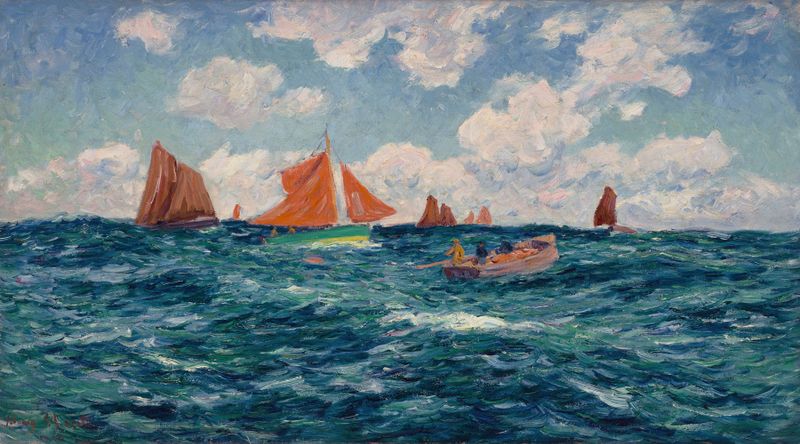
Pêcheurs au large
Henry Moret
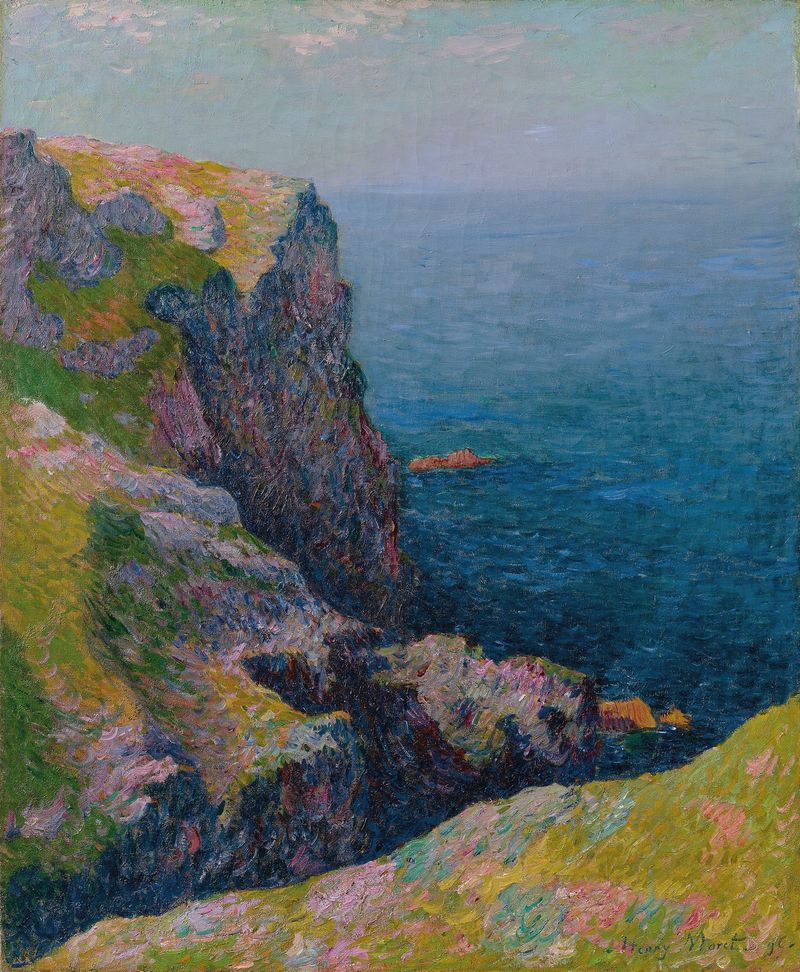
Ile de Groix, Pointe de l’Enfer
Henry Moret
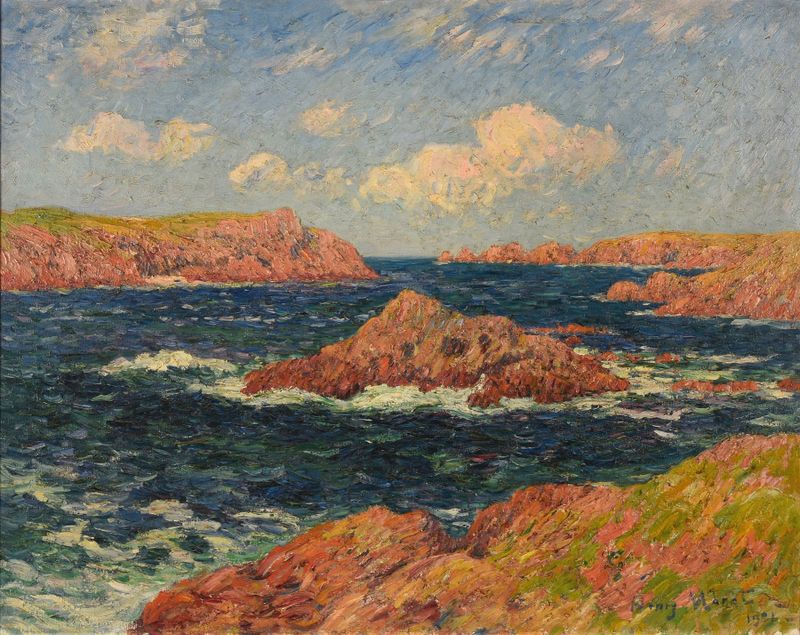
L’Ile de Kerellec (Ouessant)
Henry Moret
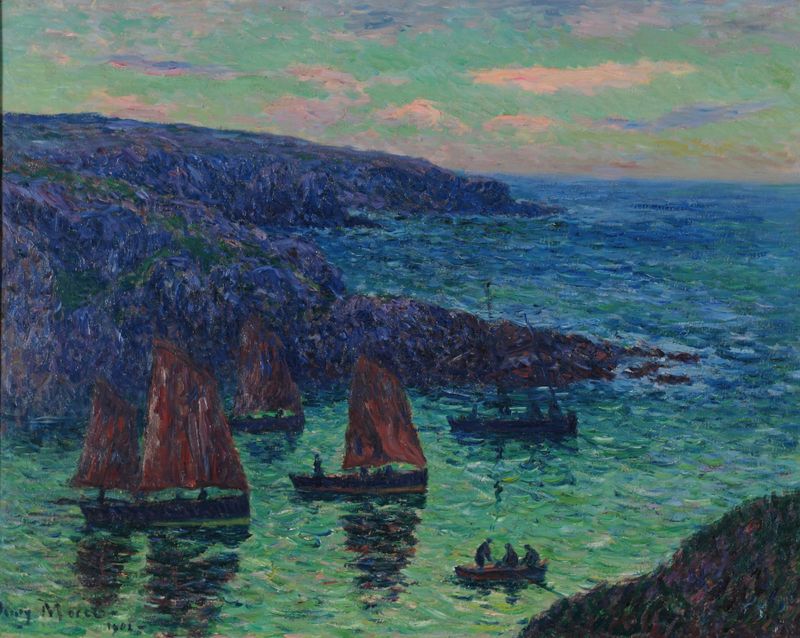
Le soir à Douëlan
Henry Moret
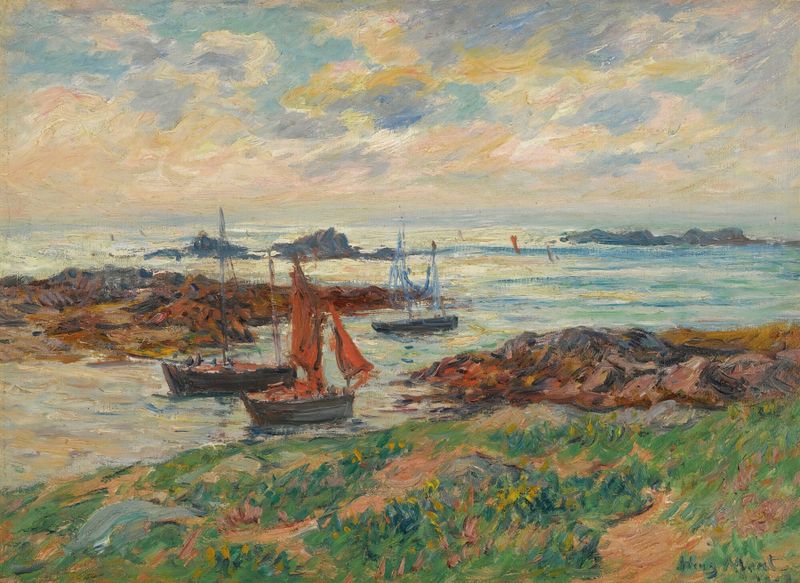
Les Glénans, Finistère
Henry Moret
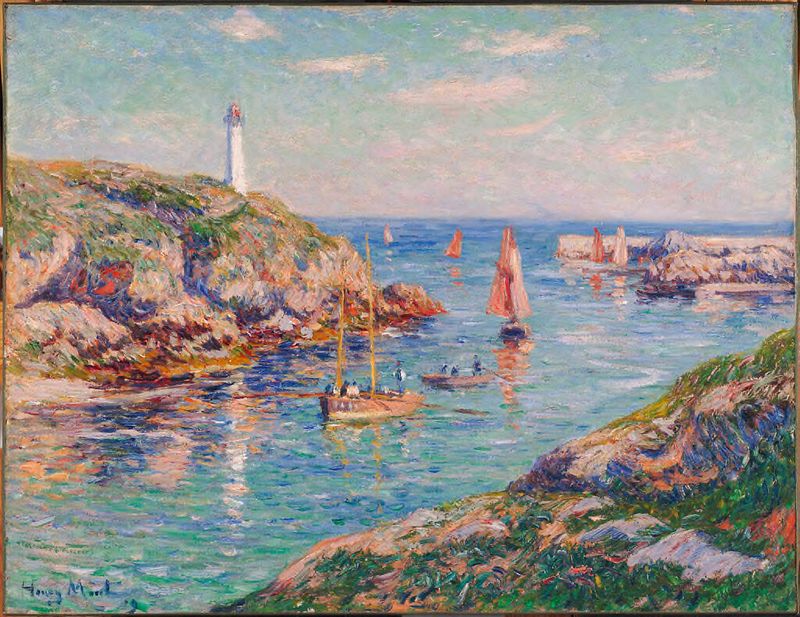
The Port of Douvelan
Henry Moret





