
Silberpappeln am Weiher — History & Facts
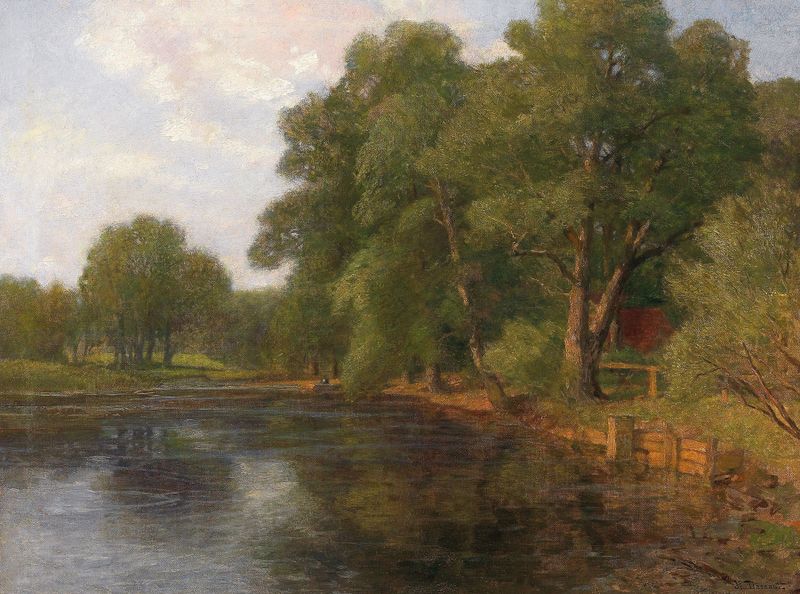
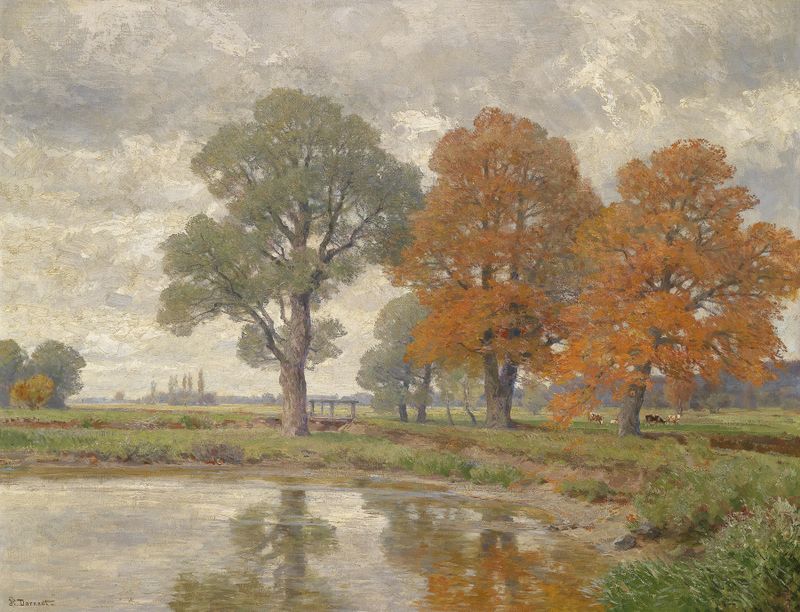
In the fading hues of a world in decline, the quiet whisper of decay threads through every brushstroke, challenging our perception of beauty. Focus on the left side of the canvas where silvery poplars—graceful and melancholic—ascend towards an ominous sky. Their delicate leaves flutter, caught in a moment suspended between life and stillness. Notice how the muted greens and greys blend seamlessly, creating an aura of nostalgia and loss.
The reflective surface of the pond nestled at their feet invites contemplation, mirroring the chaos above while suggesting a deeper stillness beneath. This artwork speaks to the passage of time and the inevitable decay that follows. The juxtaposition of vibrant life against the backdrop of encroaching gloom creates a poignant tension. The trees, standing tall yet weary, symbolize resilience amidst destruction.
These elements coalesce to evoke a haunting beauty, reminding us that even in decay, there exists a profound truth—a fleeting glimpse of what once was. In 1935, the artist found himself in a world teetering on the brink of change, influenced by the haunting aftermath of World War I and the looming specter of further conflict. Working in Europe during a time of political unrest, he sought to capture the essence of a landscape that mirrored the emotional landscape of society, thus creating Silberpappeln am Weiher. His exploration of nature's fragility resonates powerfully with the shifting tide of human existence.
More Artworks by Hugo Darnaut
Browse all →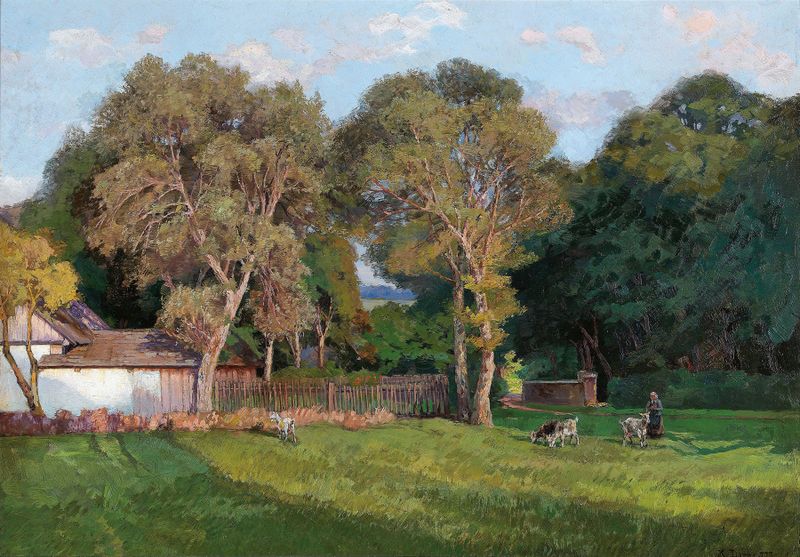
Aus dem Wienerwald
Hugo Darnaut
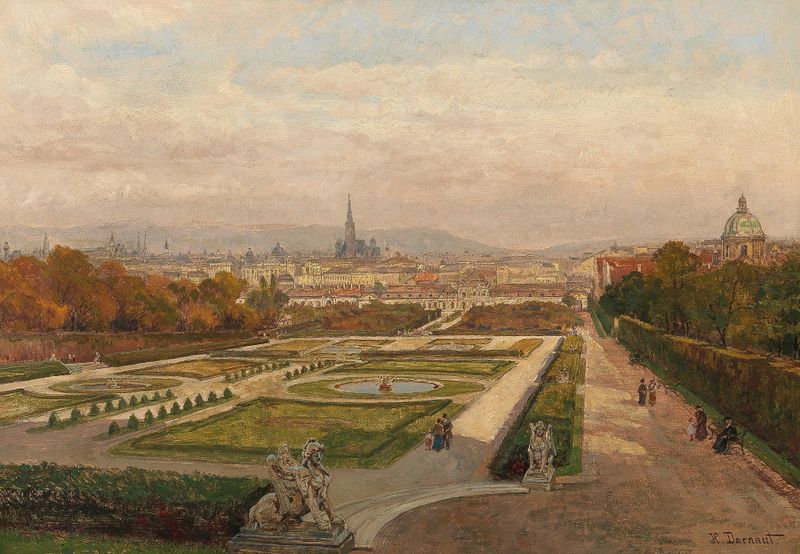
Blick vom Belvedere auf Wien
Hugo Darnaut

Motiv aus Plankenberg
Hugo Darnaut

In einem Wiener Garten (II., Praterstraße 60)
Hugo Darnaut

A Scene at Dusk in Late Autumn
Hugo Darnaut
Motiv bei Plankenberg
Hugo Darnaut

Die Ruine Starhemberg im Piestingtal
Hugo Darnaut
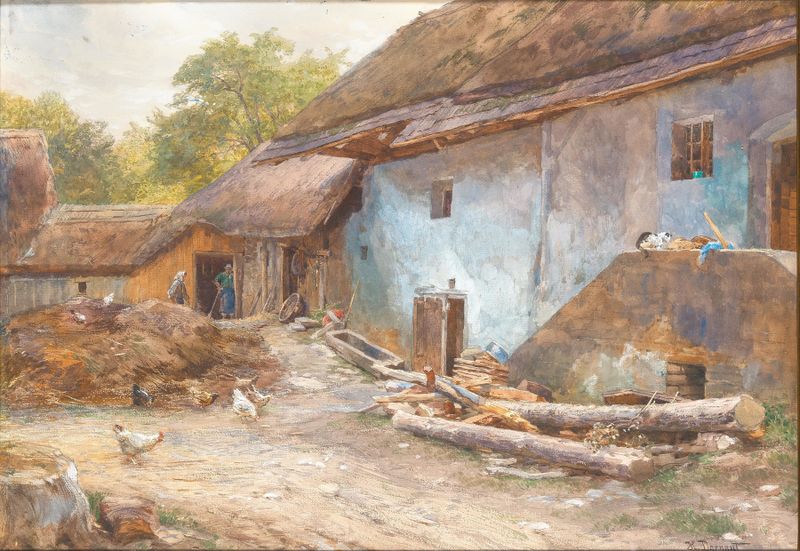
Niederösterreichischer Bauernhof
Hugo Darnaut

River Landscape with Small Herd of Cows and a Village in the background
Hugo Darnaut
Spätherbsttag
Hugo Darnaut





