
Simon Zelotes en Judas Taddeüs — History & Facts
What if beauty was never meant to be finished? In Simon Zelotes en Judas Taddeüs, the essence of legacy unfurls in a masterful interplay of form and intention. Look to the central figures, Simon and Judas, their postures anchored in a moment of deep discourse. The artist employs a muted palette, where earthy tones give weight to their garments, while light dances delicately on their faces, suggesting an unspoken bond. Notice the intricate details in their hands, subtly gesturing, as if the very air around them vibrates with the gravity of their conversation.
The composition draws the eye toward their expressions, which reveal layers of contemplation and conviction, evoking a sense of shared history. The tension lies in the contrast between the serenity of their demeanor and the turmoil implied by their surroundings. The shadowy backdrop hints at a world rife with uncertainty, suggesting that their ideals are both timeless and fraught with conflict. The serene yet intense gazes they exchange encapsulate the weight of their legacies—each figure representing divergent paths yet bound by a singular purpose.
The visual dialogue seems to ask: What sacrifices must be made for greatness, and what memories are left behind? Hans Sebald Beham painted this work in 1520 during a period marked by the tumult of the Reformation. Living in Nuremberg, he was influenced by the shifting tides of religious thought and artistic expression. The painting reflects the era’s complex interplay between faith and legacy, as Beham navigated his own position within a transforming artistic landscape, contributing to the rich tapestry of Northern Renaissance art.
More Artworks by Hans Sebald Beham
Browse all →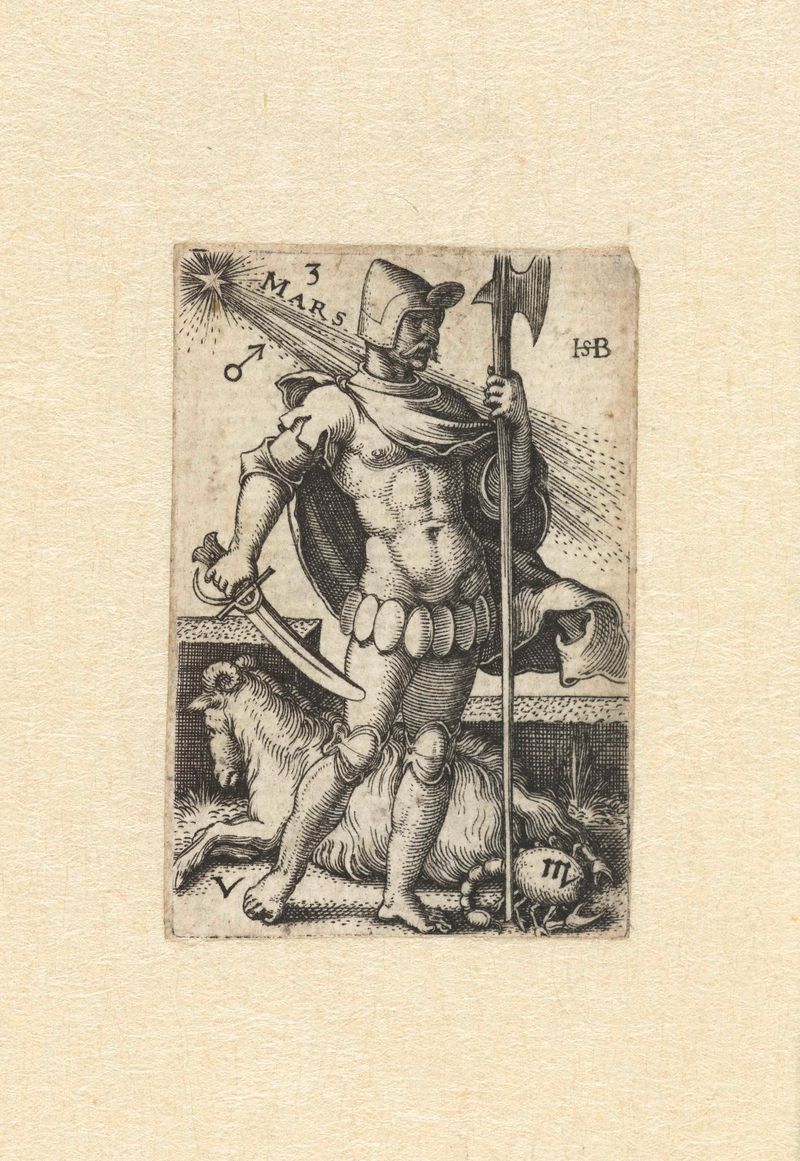
Mars met sterrenbeelden Ram en Schorpioen
Hans Sebald Beham

Achilles in gevecht met Hector
Hans Sebald Beham
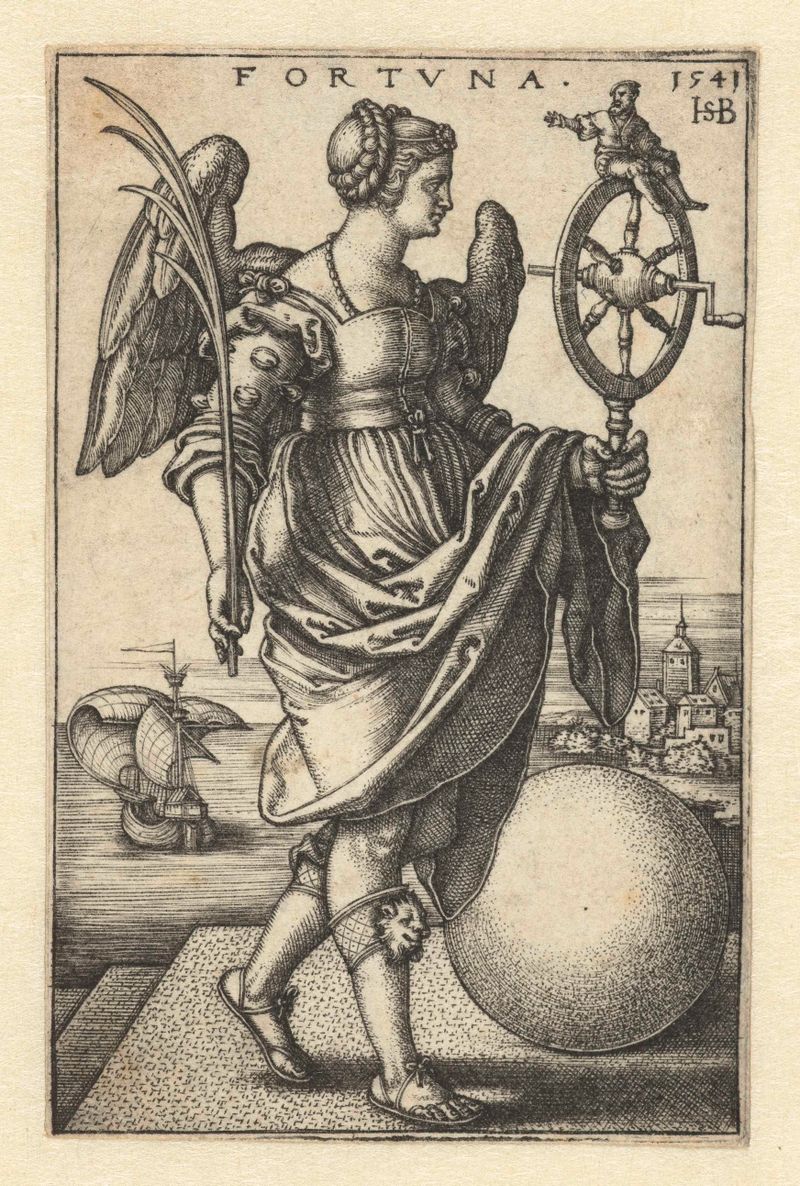
Fortuna
Hans Sebald Beham

Hercules worstelt met Antaeus
Hans Sebald Beham

Twee muzikanten met schalmey en doedelzak
Hans Sebald Beham

Voorzichtigheid (Prudentia)
Hans Sebald Beham

Hercules in gevecht met de Trojanen
Hans Sebald Beham
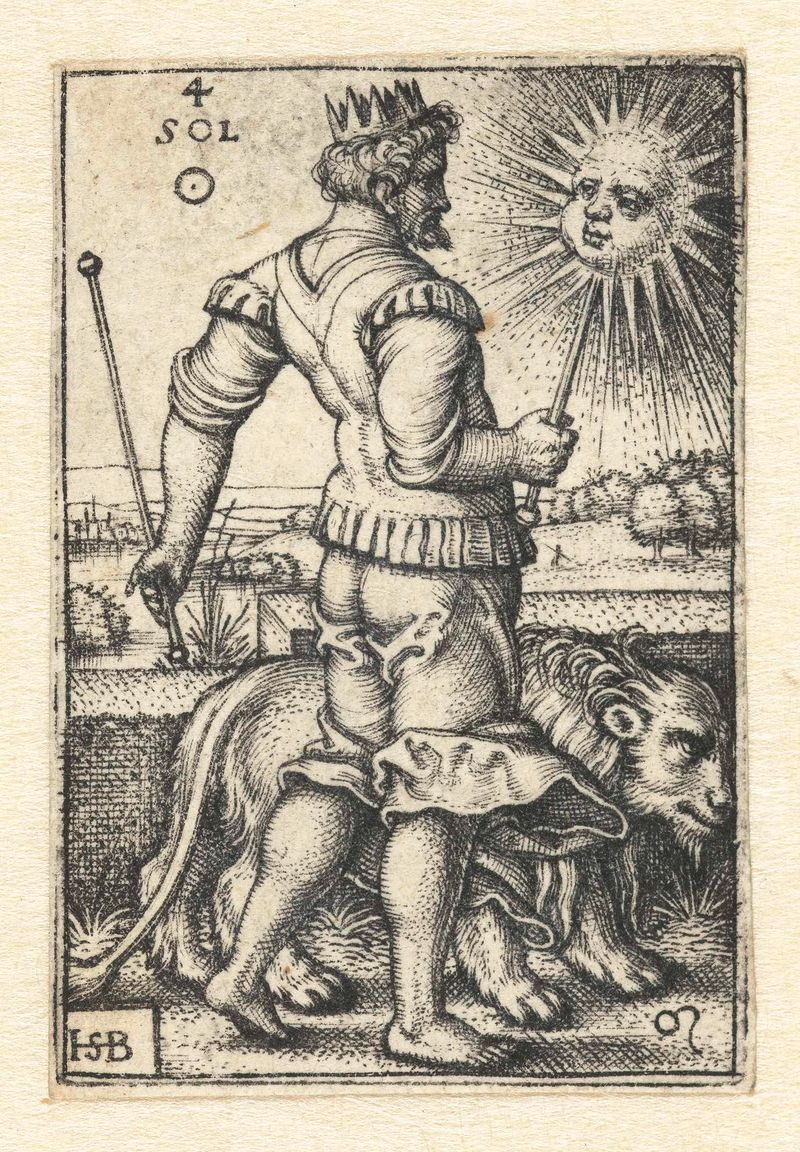
Apollo (Sol) met sterrenbeeld Leeuw
Hans Sebald Beham
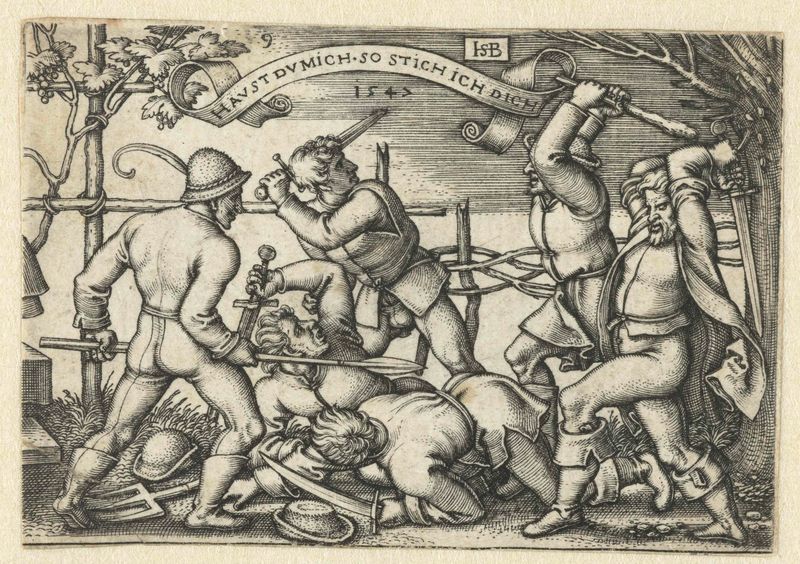
Vechtende boeren met zwaarden
Hans Sebald Beham
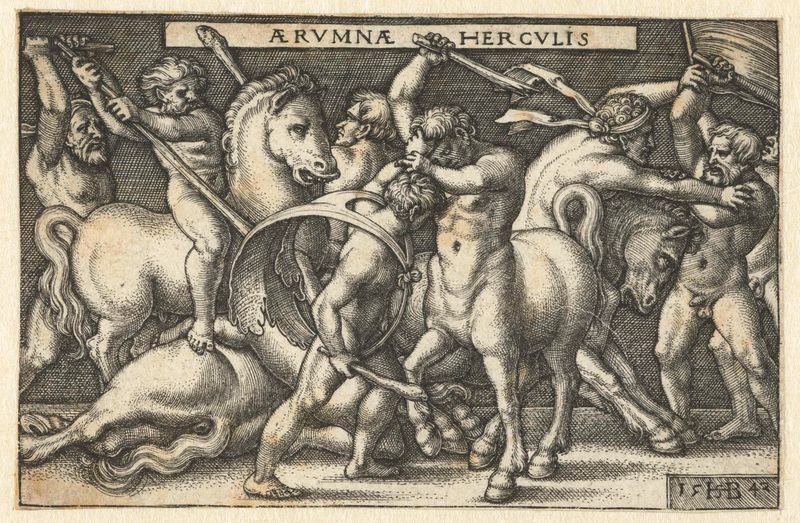
Hercules in gevecht met centaurs
Hans Sebald Beham
More Religious Art
Browse all →
The Return of the Prodigal Son
Rembrandt van Rijn

The Garden of Earthly Delights
El Bosco

Count Orgaz’ funeral
El Greco

The Hundred Guilder Print: the central piece with Christ preaching, the plate arched
Rembrandt van Rijn

The Descent from the Cross
Rogier van der Weyden

The return of the prodigal son
Rembrandt van Rijn