
Sister Anna — History & Facts
In the stillness of a painted moment, emotions linger like whispers on the edge of consciousness, aching with a profound yearning that transcends time. Look to the left at the gentle figure of Sister Anna, her soft gaze inviting yet distant, as if she’s peering not only at us but through us. The interplay of light and shadow captures both her form and the ethereal quality of her presence, while the muted palette of blues and grays evokes a sense of melancholy. Every brushstroke speaks to her solitude, the delicate rendering of fabric clinging to her figure enhances the emotional weight, drawing the viewer deeply into her world. Nestled within the folds of her habit is an intricate tapestry of longing and introspection.
The faint hints of blush on her cheeks suggest a hidden depth of feeling, perhaps an unfulfilled love or a desperate hope. This tension between her serene exterior and the emotions simmering just below the surface captivates us, inviting contemplation about the life she leads, the choices she’s made, and the dreams she sacrifices. In 1877, Hill was living in Sweden, grappling with his own struggles with mental health while trying to establish himself as an artist amid the burgeoning movement of naturalism. This was a time of personal turmoil for him, yet he managed to channel his complex emotions into Sister Anna, creating a poignant exploration of devotion and self-denial.
It reflects not only his own experiences but also the broader societal expectations placed upon women during that era, offering a glimpse into the artist's heart and mind.
More Artworks by Carl Fredrik Hill
Browse all →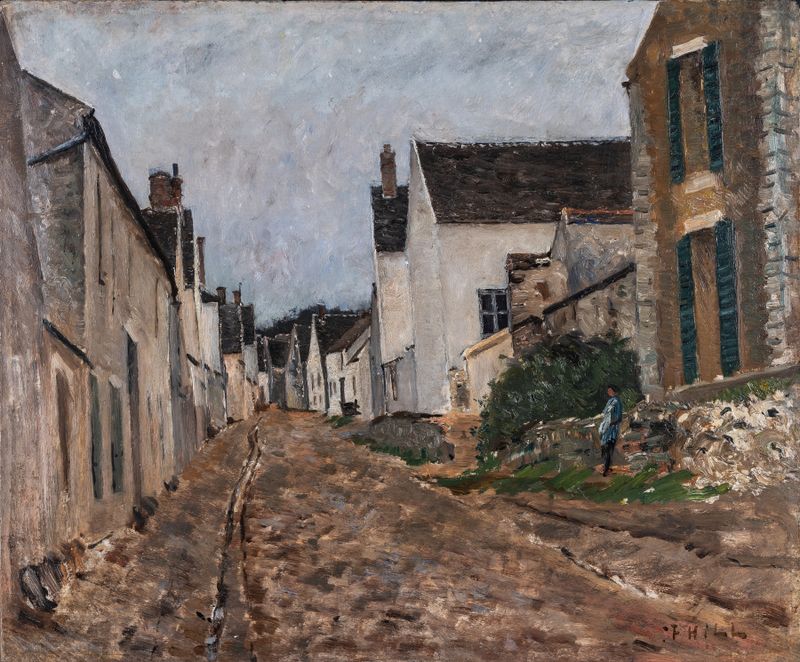
French Village Street, Montigny
Carl Fredrik Hill

The Tree and the River III (The Seine at Bois-le-Roi)
Carl Fredrik Hill
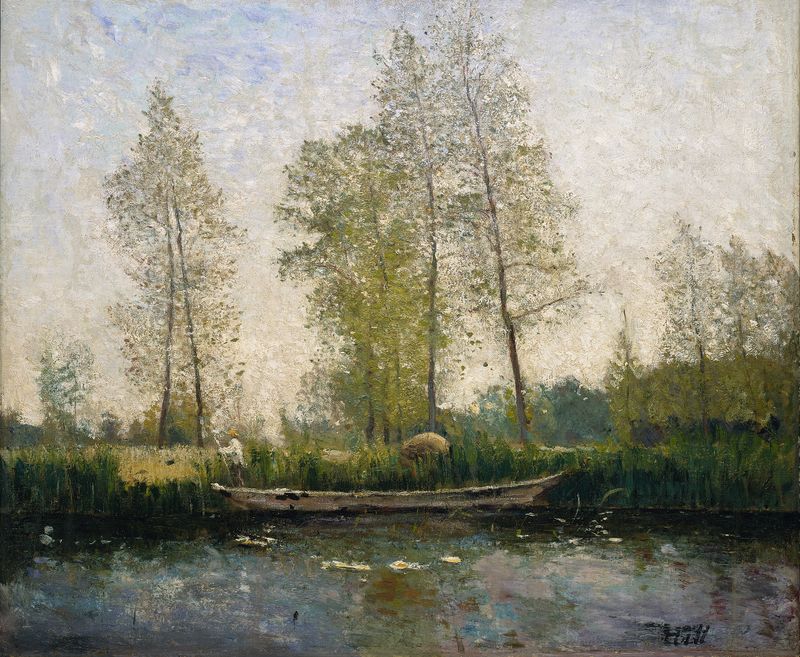
Seine. Motif from St Germain
Carl Fredrik Hill
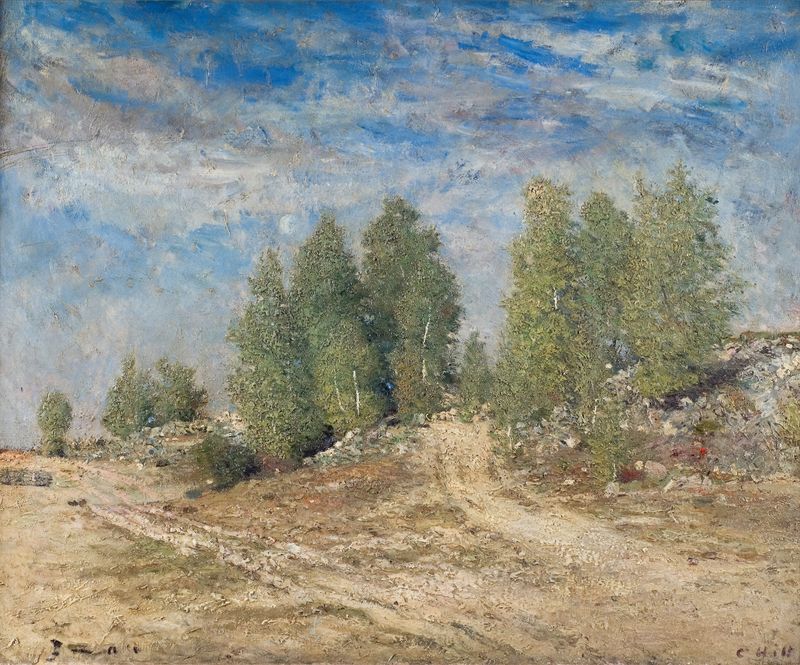
Gravel Slope
Carl Fredrik Hill
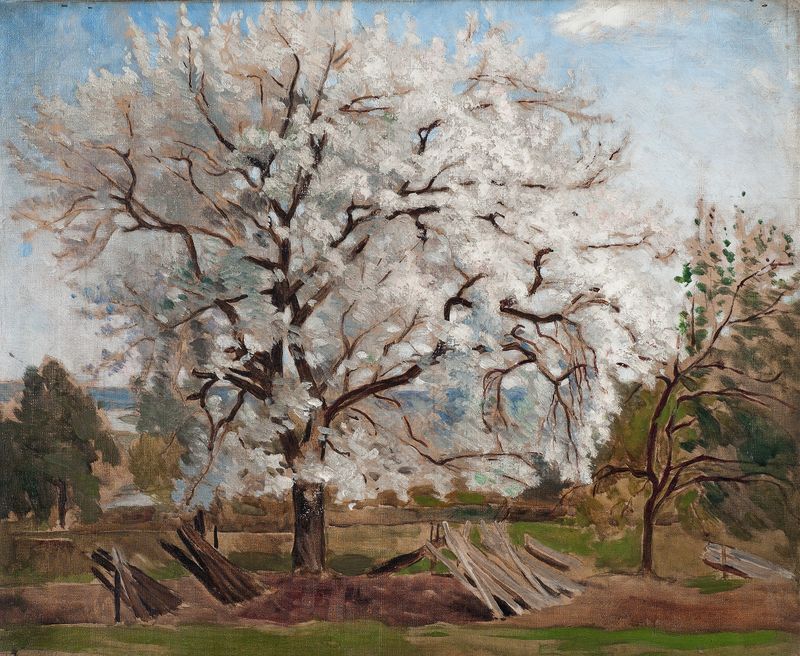
Apple Tree in Blossom
Carl Fredrik Hill
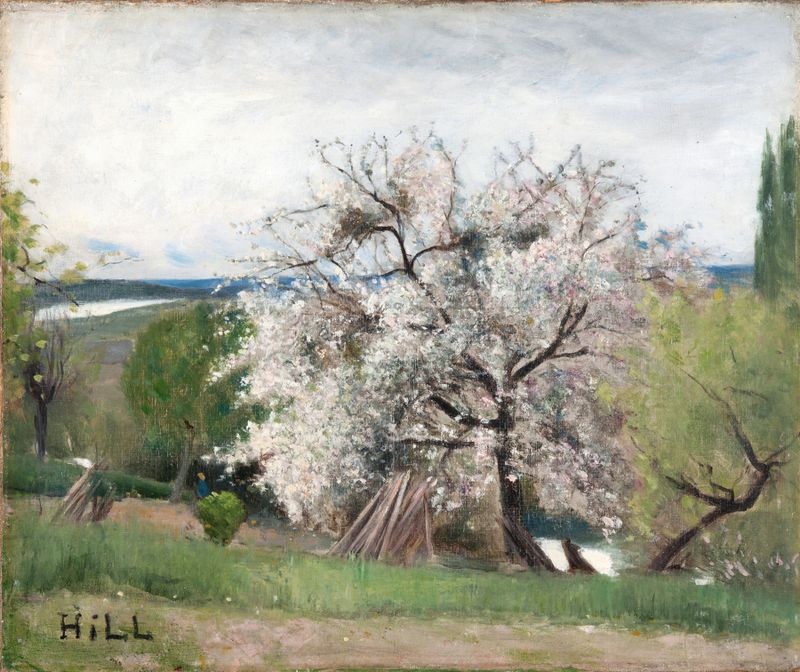
Fruit Tree in Blossom, Bois-le-Roi
Carl Fredrik Hill
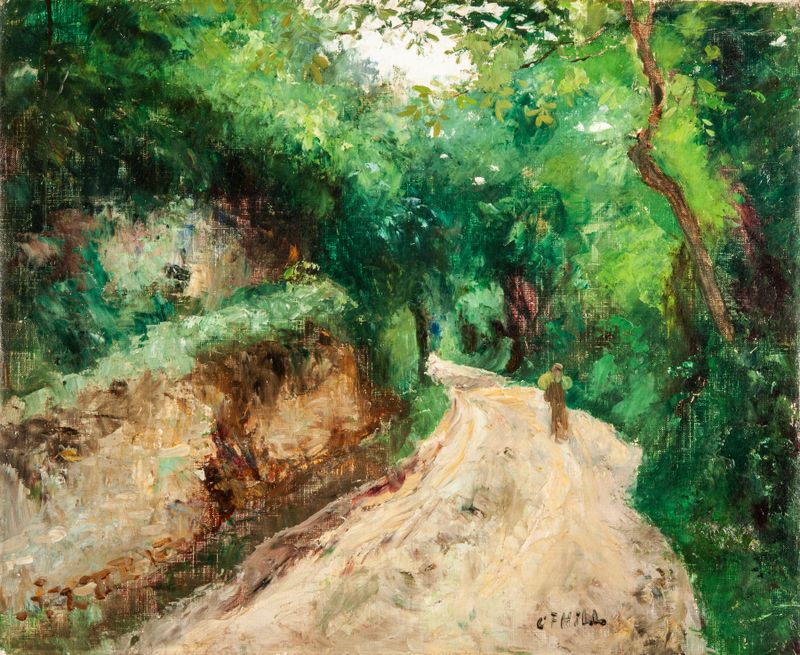
Hollow Road, Fountainebleau
Carl Fredrik Hill
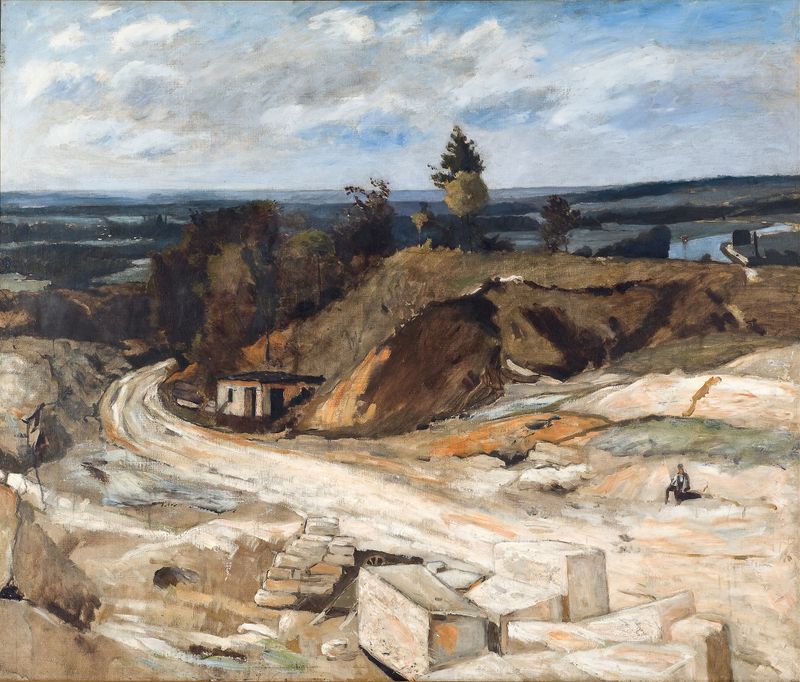
Stonequarry by the River Oise II
Carl Fredrik Hill
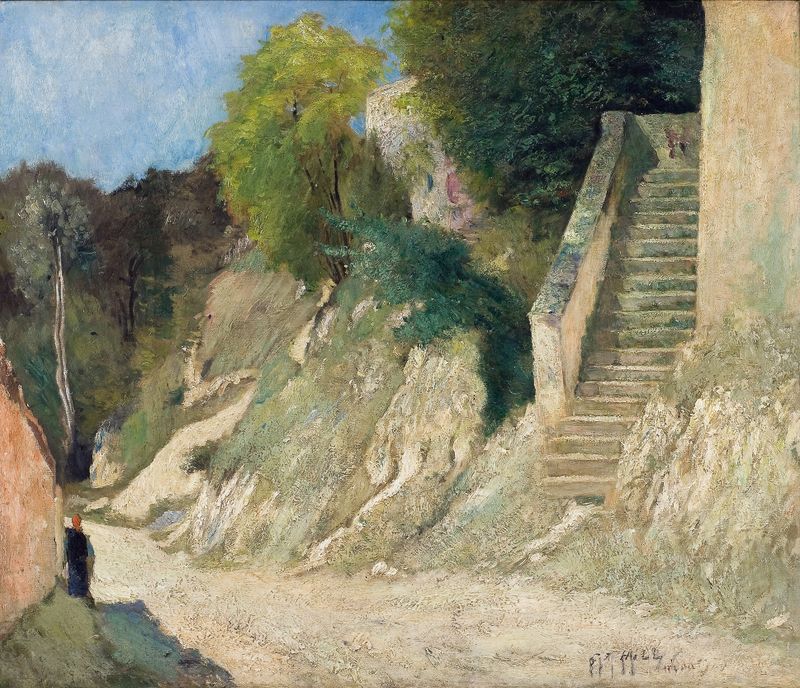
A Steep Ascent in Montigny-sur-Loing
Carl Fredrik Hill
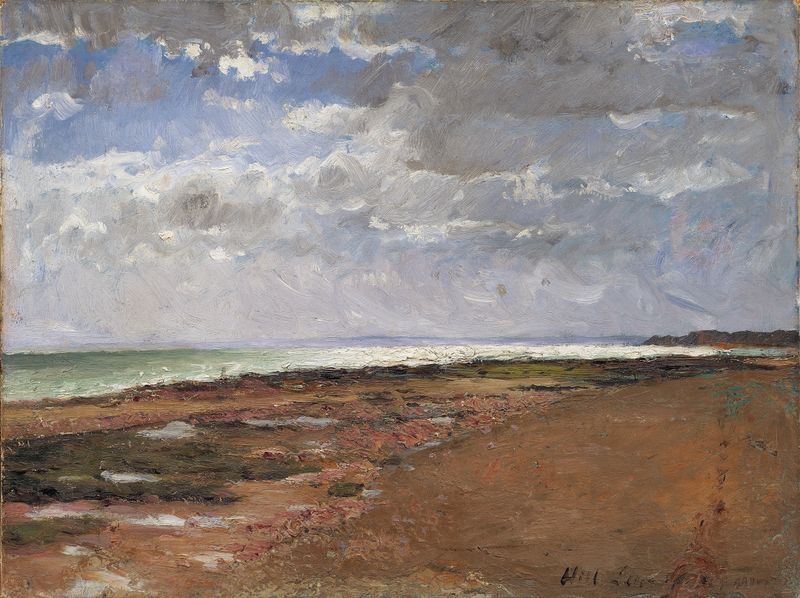
The Beach at Luc
Carl Fredrik Hill
More Portrait Art
Browse all →
Las meninas
Diego Velázquez

Self-portrait with a Bandaged Ear and Pipe
Unidentified artist

Girl with a Pearl Earring
Johannes Vermeer

The Sampling Officials of the Amsterdam Drapers’ Guild, Known as ‘The Syndics’
Rembrandt van Rijn

The Hundred Guilder Print: the man seen on the back in the lower left corner
Rembrandt van Rijn

Portrait of Dr Gachet
Vincent van Gogh