Skitsebog. 1897-98 — History & Facts
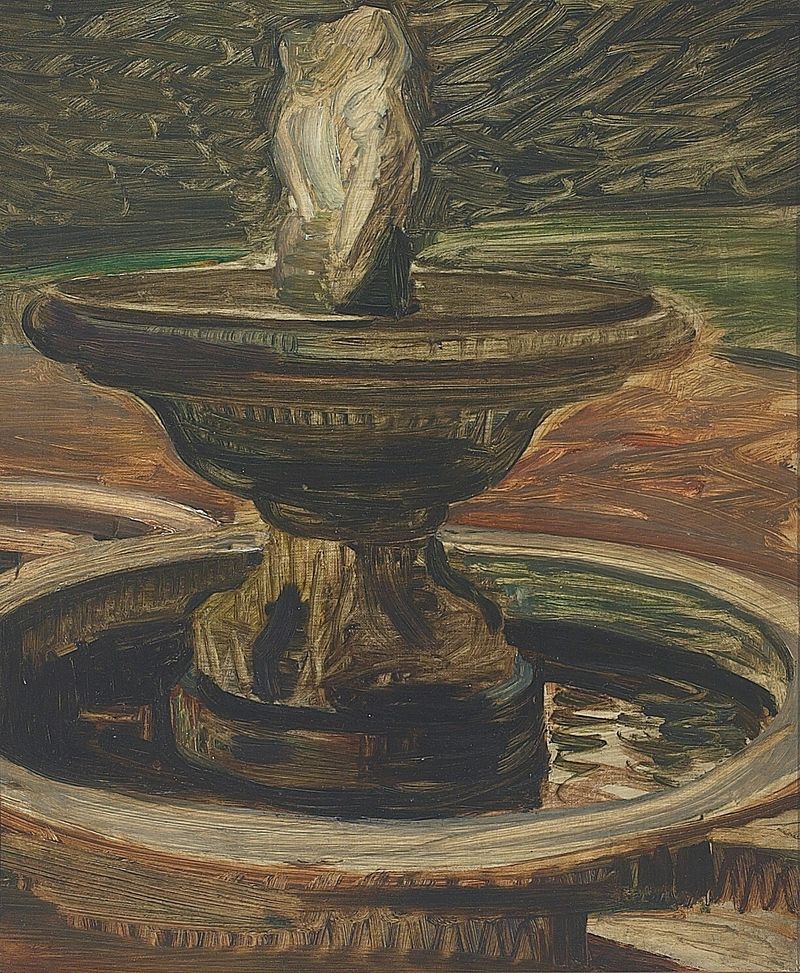
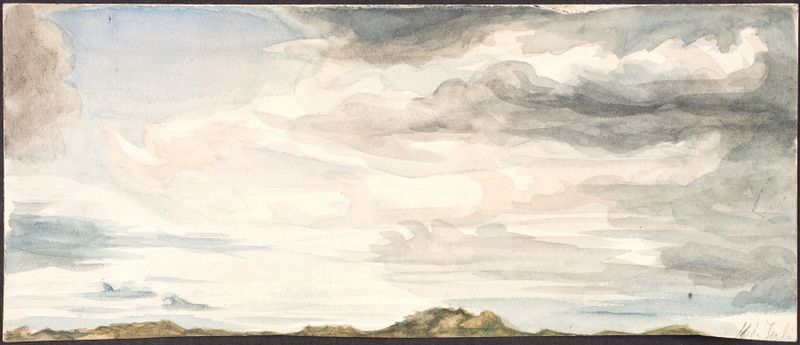
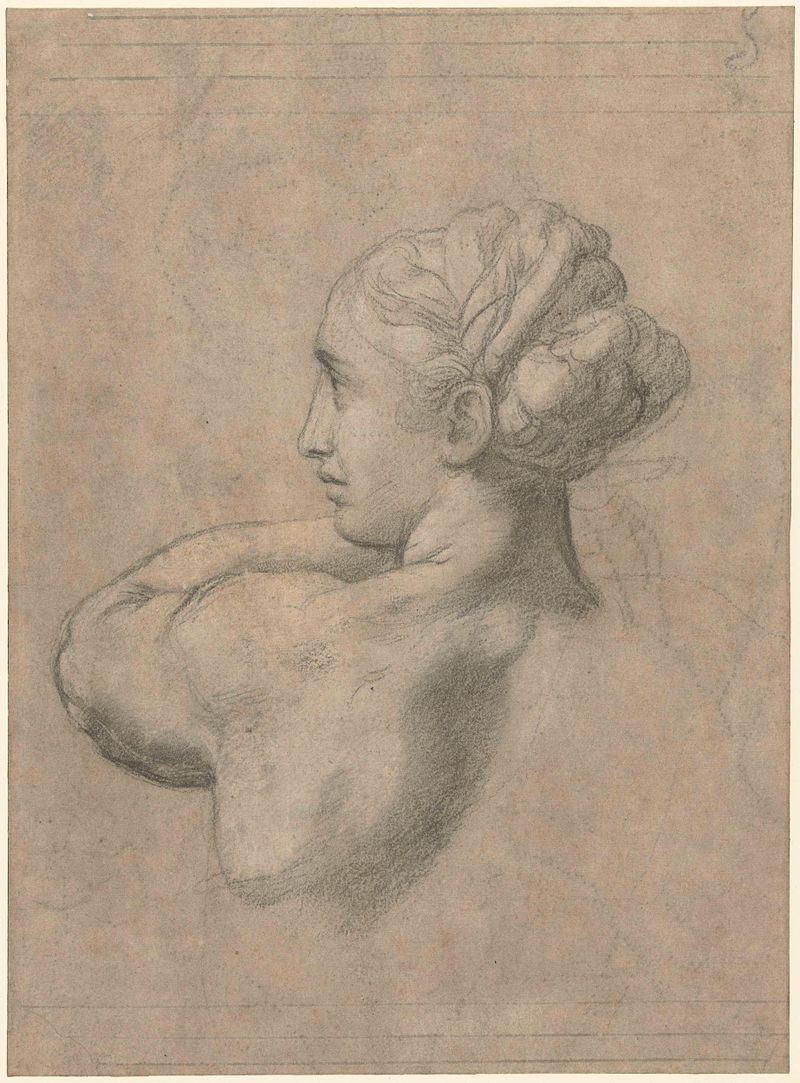
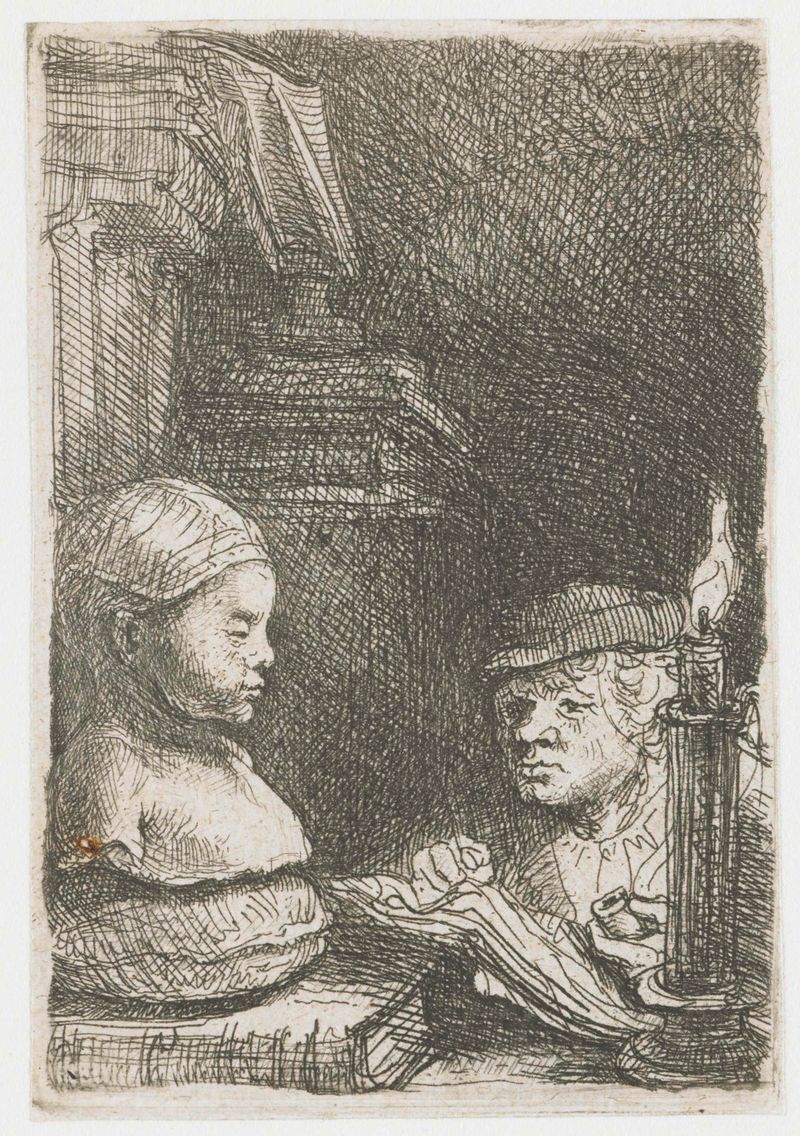
Could beauty survive in a century of chaos? In the hands of Agnes Slott-Møller, the answer unfolds with delicate intensity in Skitsebog, a work infused with both obsession and a yearning for harmony amidst discord. Focus first on the intricate details of the pages, where swirling lines and ornate motifs dance across the surface like whispers of imagination. The soft hues of pastel blues and greens dominate the palette, offering a serene backdrop, while the bold strokes intertwine, revealing a world both tender and tumultuous. Notice how the artist’s deft hand invites the viewer into a realm of fantasy, urging you to explore each vignette as if opening a door to hidden thoughts. Yet, beneath the beauty lies a complex interplay of emotions.
The juxtaposition of chaos in the swirling forms against the tranquility of color suggests an inner struggle—an obsession with capturing fleeting beauty in an era rife with uncertainty. Each illustration pulses with a sense of urgency, a reminder that the pursuit of artistic expression often dances on the edge of despair. The tension between the whimsical and the chaotic mirrors the artist's own grappling with her place in a rapidly changing world. During the years 1896 to 1898, Slott-Møller worked on this piece in Denmark, a country undergoing social and artistic transformations.
The turn of the century was marked by new movements in art, and as a member of the Skagen Painters, she sought to fuse traditional techniques with contemporary themes. Her exploration of beauty in Skitsebog reflects both personal obsession and a broader cultural dialogue, as artists grappled with the complexities of modern life and the role of art within it.