View of a garden — History & Facts
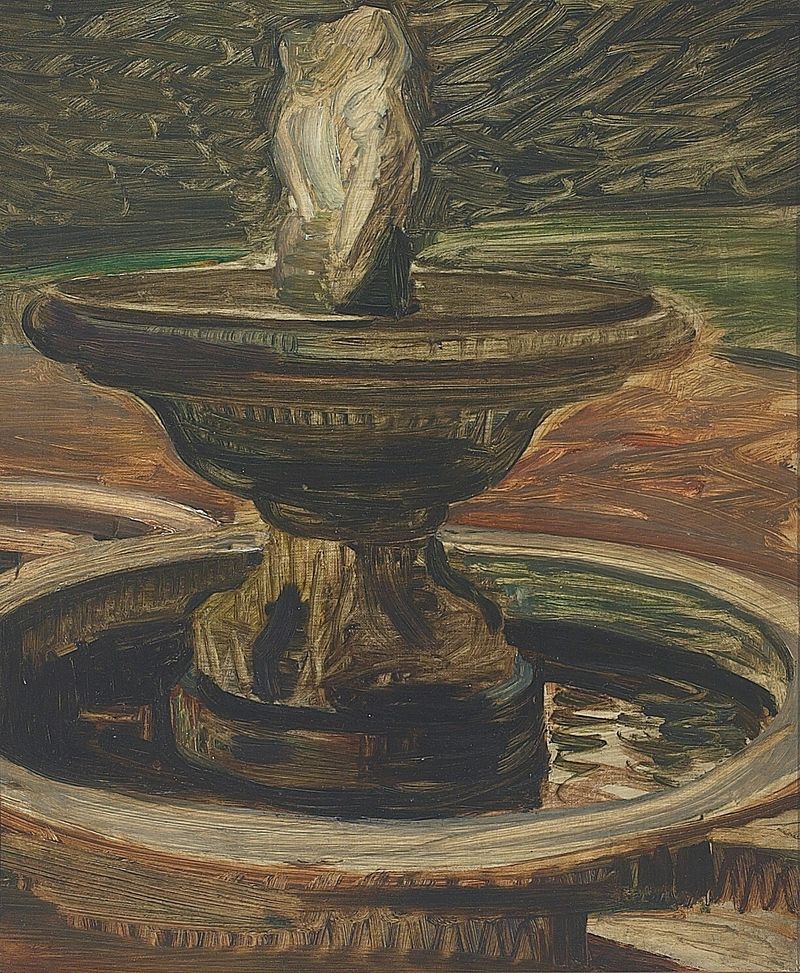
Sunlight filters through the leaves, casting dappled patterns on the soft earth below. A woman, lost in contemplation, stands at the edge of the garden, her gaze fixed on a riot of blossoms bursting into bloom. The air hums with the scent of flowers and a palpable sense of yearning hangs between the petals and the sky. Look to the left at the vibrant interplay of colors, where lush greens collide with fiery oranges and delicate pinks.
The artist's brushstrokes create a tactile surface, inviting you to feel the weight of each flower as if they might sway with the breeze. Notice how the light falls upon the woman's figure, illuminating her with a halo-like glow, suggesting both serenity and a deep, abiding obsession with the natural beauty surrounding her. This scene encapsulates a tension between the ephemeral and the eternal. The blooming flowers symbolize fleeting moments of joy, while the solitary figure hints at introspection and longing.
The contrast between the vibrant garden and the woman's quietude suggests that beauty can evoke both enchantment and solitude, leaving her alone with her thoughts amidst the cacophony of color. Agnes Slott-Møller painted View of a Garden in 1929 during a period when she was deeply influenced by the Danish Symbolist movement. Living in Denmark, her works often explored themes of femininity and nature amidst the changing tides of modernity. As the world was grappling with the aftermath of the First World War, her art provided a sanctuary, reflecting a personal connection to the obsession with nature’s fleeting beauty.