Fields — History & Facts
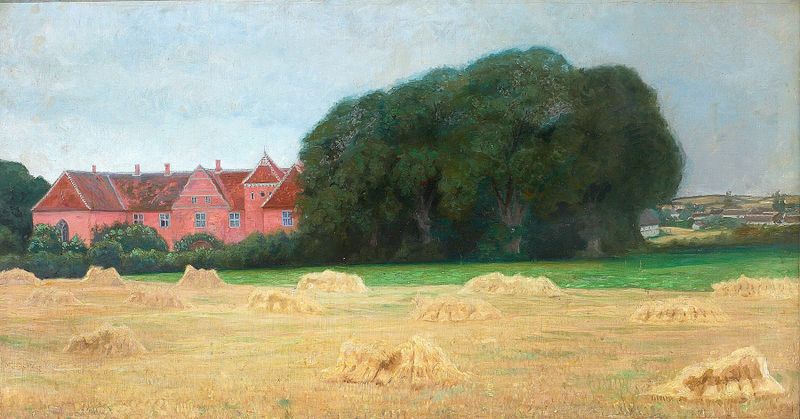
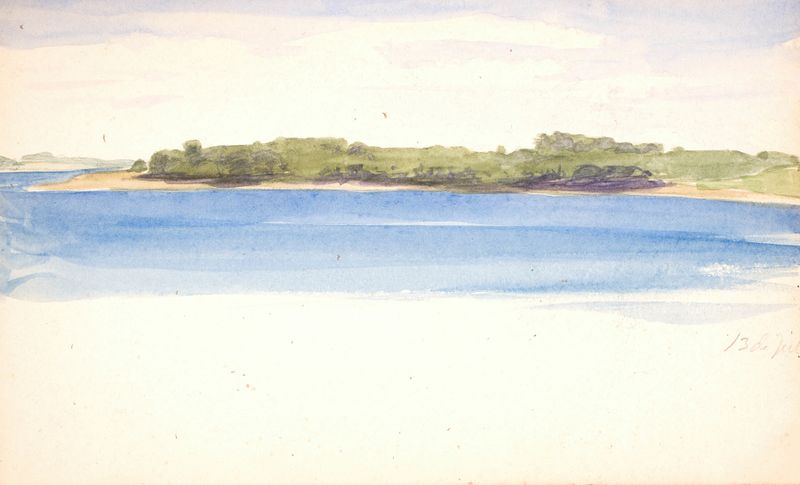
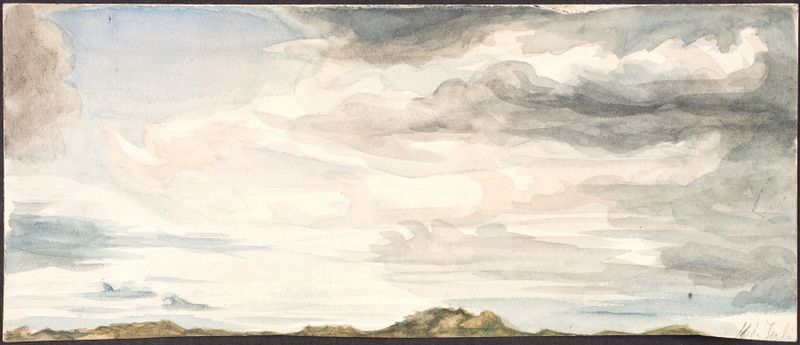
Can beauty exist without sorrow? The delicate intertwining of joy and pain weaves through the fabric of existence, revealing life’s poignant truths. Take a moment to observe the expansive fields unfurling across the canvas. Look to the foreground where vibrant greens and golds embrace one another, a celebration of life in the gentle sway of the wind. Notice how the brushstrokes dance with rhythm, evoking a sense of movement, while the horizon blurs into a tender gradient of blues and soft yellows.
This blend of color invites tranquility, yet the undercurrent of tension suggests an unseen story lurking just beyond the surface. As you explore deeper, consider the contrast between the serenity of the fields and the emotional weight they carry. Each blade of grass and ripple in the landscape may symbolize a moment of fleeting happiness, yet this vibrancy is shadowed by the specter of the aftermath of World War I. The painting encapsulates an era marked by loss, urging the viewer to reflect on the coexistence of beauty and tragedy.
Within this seemingly serene landscape lies a profound commentary on resilience and the fragility of peace. In 1918, during a period of upheaval in Europe, Agnes Slott-Møller created this work, capturing the essence of a world emerging from despair. Living in Denmark, she witnessed the cultural shifts and emotional scars left by the war. As artists sought to redefine beauty in a time of chaos, her exploration of nature embodied both an escape and a call to confront the complexities of human experience.