Sluisje, Edam — History & Facts
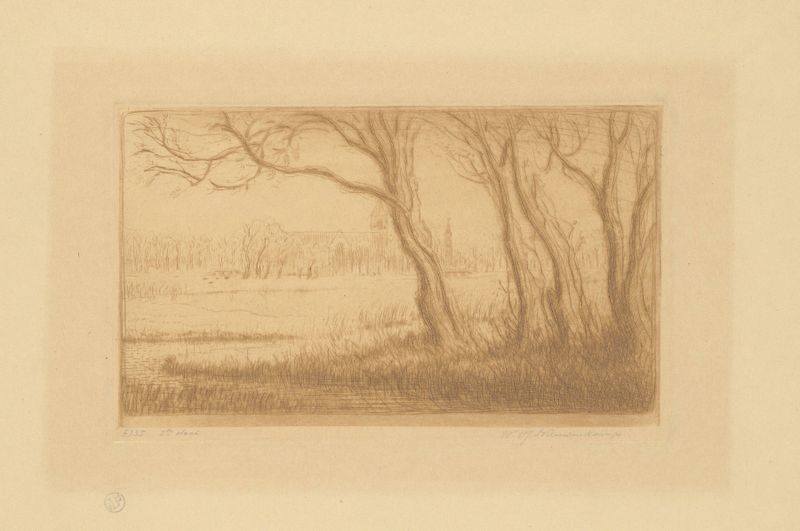
When did color learn to lie? In a world drenched in hues, the artist’s brush invites us to question the very essence of reality and memory. Look to the left at the serene waters, a soft reflection of the sky dancing atop the surface. The delicate strokes hint at movement, capturing a fleeting moment in time, as the muted pastels blend harmoniously with earthy tones. In the foreground, a quaint drawbridge beckons, its arch echoing the gentle curves of the land, while the silhouettes of distant houses form a tranquil background.
The composition balances stillness with an underlying pulse, as if the scene breathes with nostalgia. Yet, lurking beneath the placid façade lies a poignant tension. The contrast between the vibrant colors of the bridge and the subdued palette of the surrounding landscape evokes a sense of yearning. Each brushstroke whispers of stories untold, memories lingering in the air like the gentle mist hovering above the water.
The viewer is drawn into the emotional landscape, where longing is as palpable as the cool breeze that ripples the surface. Created in 1912, the work emerged during a transformative period for Wijnand Otto Jan Nieuwenkamp, who was deeply influenced by the artistic movements of the time, merging impressionism with personal expression. Living in the Netherlands, he found inspiration in the serene beauty of his surroundings, while the broader art world was grappling with modernization and abstraction. The quiet charm of Sluisje, Edam stands as a testament to both the artist’s intimate connection to place and his contemplative exploration of fleeting moments.