Southern Teahouse — History & Facts
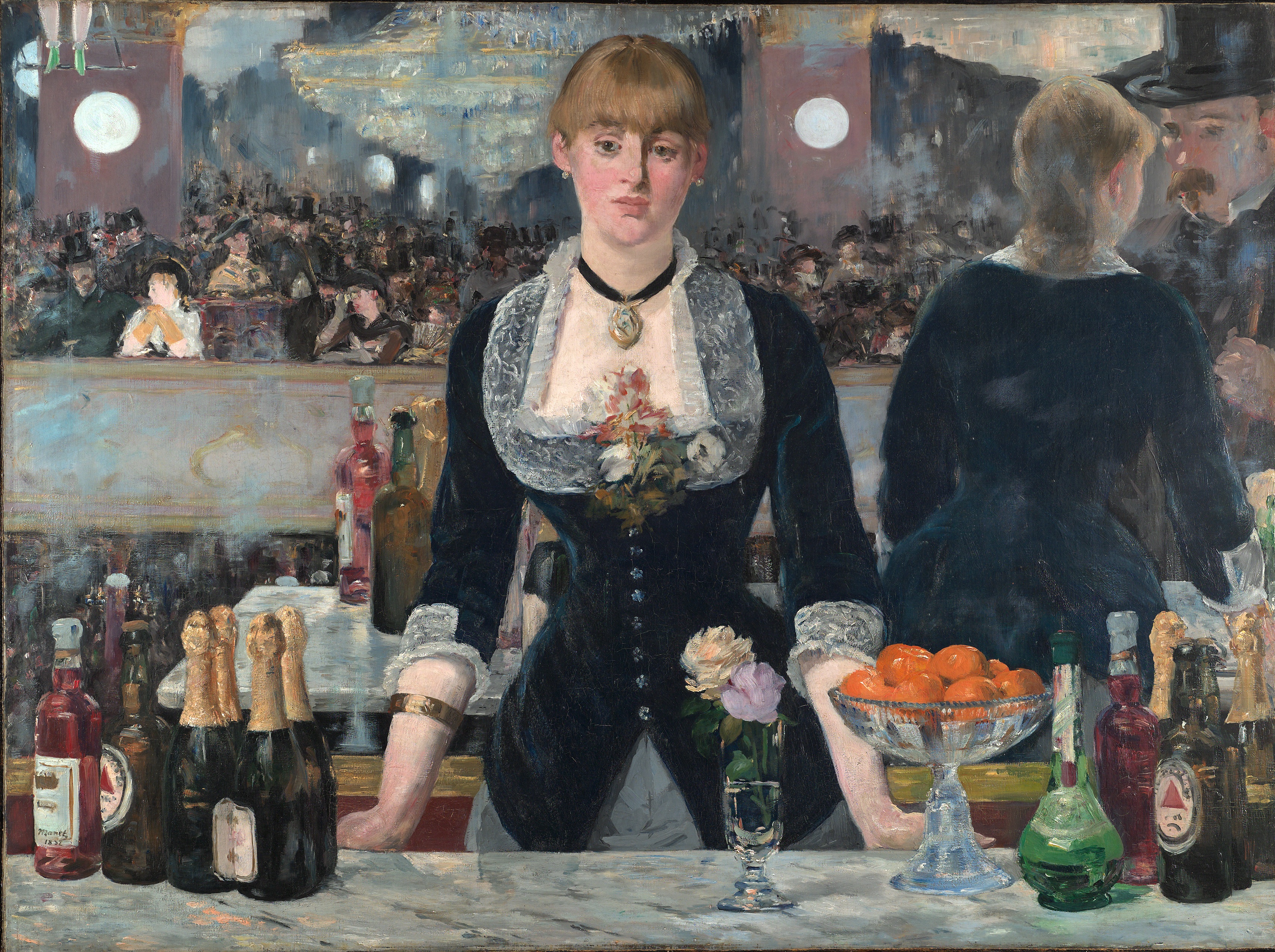
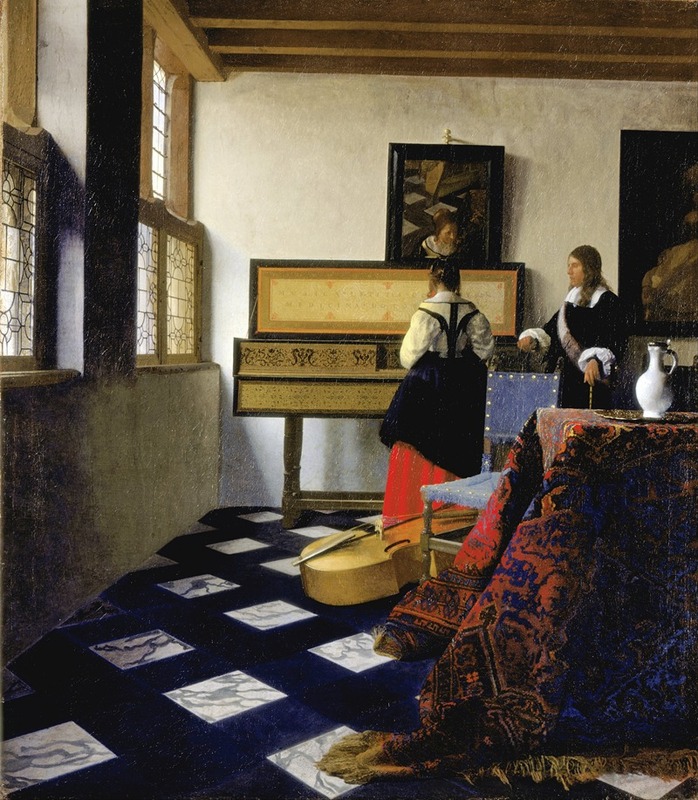
Is this a mirror — or a memory? Within the delicate layers of artistry, a hidden disquiet emerges, revealing the juxtaposition of serenity and underlying violence in daily life. Focus first on the serene figures seated in the teahouse, adorned in vibrant kimonos that flutter gently with the brushstrokes of the artist. The soft, diffused light bathes the scene, casting a warm glow over their expressions, which, at first glance, convey tranquility. Notice how the gentle curves of the women’s postures contrast with the sharp angles of the teahouse's architecture, hinting at a tension that lies just beneath the surface. As you explore further, observe the subtle interactions — a fleeting glance, a slightly clenched hand — that suggest unspoken stories and emotional undercurrents.
The presence of traditional objects, such as the teacups and the delicate floral arrangements, serves as a reminder of cultural beauty, yet these elements carry the weight of societal expectations and personal struggles. Through the softness of color and line, the artist captures the complexity of human experience, where peace and conflict coalesce. The work emerged during a period when Kitagawa Utamaro was solidifying his reputation in Edo, Japan, at the turn of the 19th century. While the aesthetics of ukiyo-e focused on fleeting beauty, the artist's exploration of intimate moments belied the realities of a rapidly changing society, marked by both grace and violence.
In this artwork, he masterfully encapsulates the dual nature of existence — a moment frozen in time, yet alive with the pulse of history.