Southfield Marshes, Staten Island — History & Facts
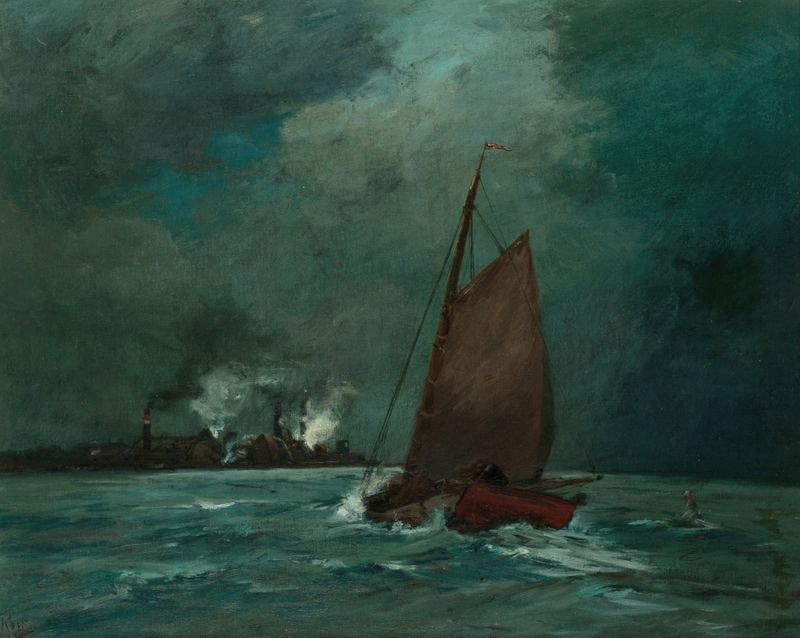
Where does light end, and longing begin? It dances across the water’s surface, teasing the viewer with glimpses of a world that feels both near and impossibly distant. Look to the left at the gentle curve of the marshland, where the soft greens and browns meld into a shimmering reflection. The artist’s deft brushwork captures the subtle play of sunlight filtering through the reeds, creating an ethereal glow. Notice the way the colors transition from the vibrant hues of nature to the muted tones of dusk, a visual metaphor for the cyclical nature of time and memory.
Each stroke invites the eye to wander, to lose itself in the tranquil yet overwhelming beauty of this natural landscape. Delve deeper, and one can sense a silent tension in the work. The stillness of the marsh contrasts sharply with the restless energy implied by the light, hinting at untold stories and unfulfilled desires. The delicate balance between light and shadow evokes a sense of yearning, as if the marsh itself holds secrets waiting to be uncovered.
Look closely, for the interplay of colors reveals not just the beauty of the scene but also the emotional weight it carries—a longing for connection, for understanding. Frederick W. Kost painted this landscape during a time when American art was increasingly turning towards the natural world for inspiration. The precise date remains unknown, but it is likely he captured this scene amidst the growing interest in realism and impressionism in the late 19th to early 20th centuries.
This period was marked by a desire to depict nature authentically, as artists sought to portray the interplay of light and atmosphere in their surroundings, reflecting a broader cultural shift towards exploration and appreciation of the American landscape.