
St Bernard’s Well — History & Facts
What secret hides in the quiet of the canvas? In the stillness of St Bernard’s Well, a captivating tension of obsession lingers, inviting viewers to peer into its depths. Look to the left at the delicate interplay of light and shadow, where a stream cascades over rocks, creating a whisper of movement against the serene backdrop. Notice how the soft greens and browns intertwine with the glimmer of sunlight dancing upon the water’s surface, inviting contemplation. The meticulous brushwork reveals not just a landscape, but a sanctuary for the soul, a place where nature and human emotion converge. As your gaze wanders across the composition, consider the contrasting elements at play: the tranquil beauty of the well juxtaposed with a subtle sense of longing implied by the figures in the foreground.
The hermit, seemingly at peace, embodies a deep connection to his surroundings, yet hints at an unfulfilled desire for spiritual enlightenment. The surrounding flora, lush yet wild, serves as a reminder of nature’s chaotic beauty, further intensifying the emotional undercurrents swirling within the scene. Painted during a period of significant artistic transformation, Alexander Nasmyth created this piece amid the rise of Romanticism in the late 18th century. The era was marked by a renewed interest in nature’s sublime qualities, and Nasmyth, living in Scotland, became a pivotal figure in landscape painting.
His work reflects not only a personal obsession with the natural world but also a broader cultural shift towards exploring the human experience in relation to the environment.
More Artworks by Alexander Nasmyth
Browse all →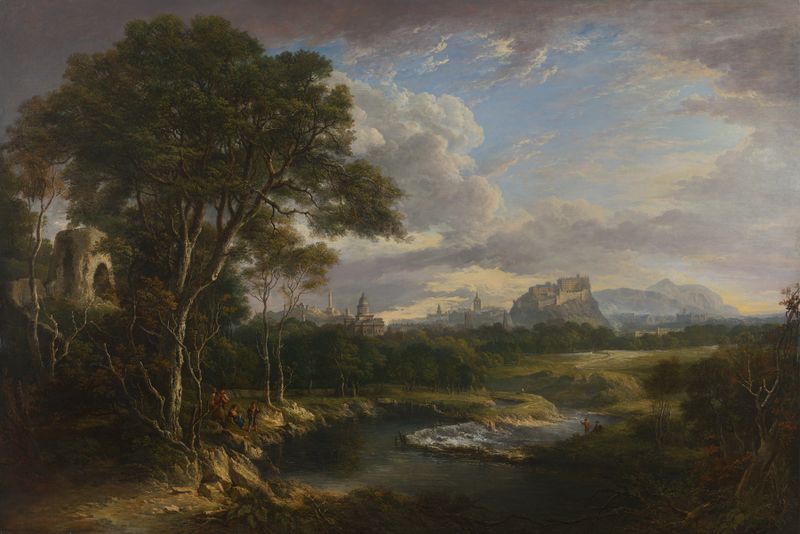
View of the City of Edinburgh
Alexander Nasmyth
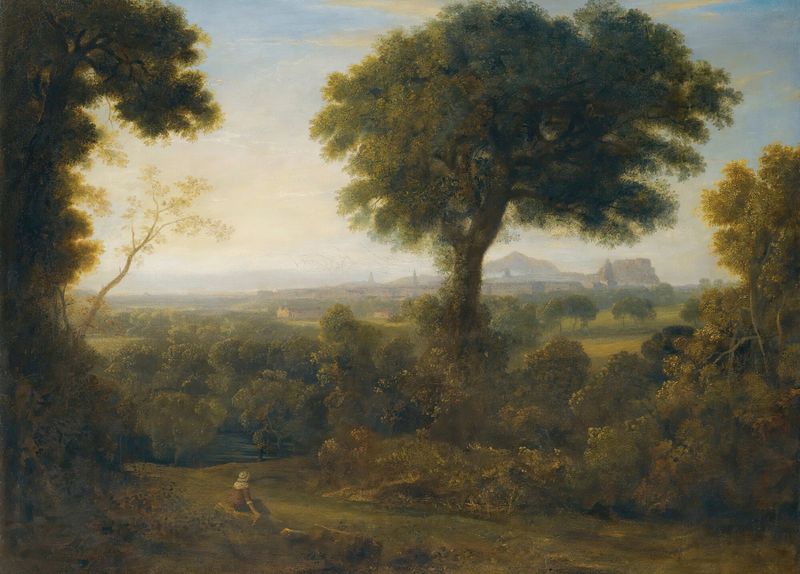
A View Of Edinburgh From Corstophine Hill
Alexander Nasmyth
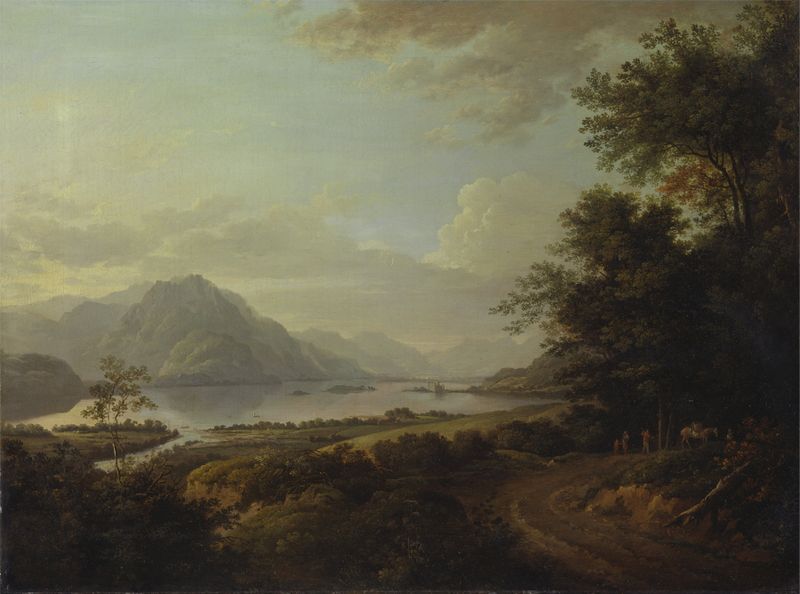
Loch Awe, Argyllshire
Alexander Nasmyth
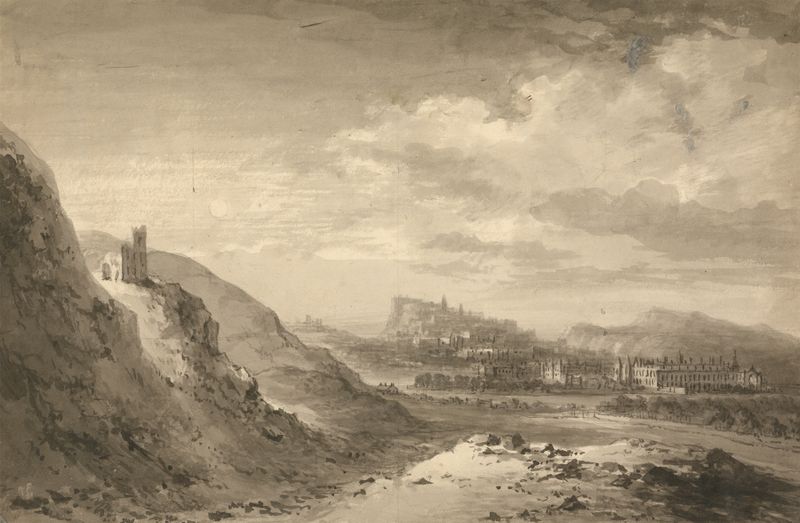
Edinburgh
Alexander Nasmyth
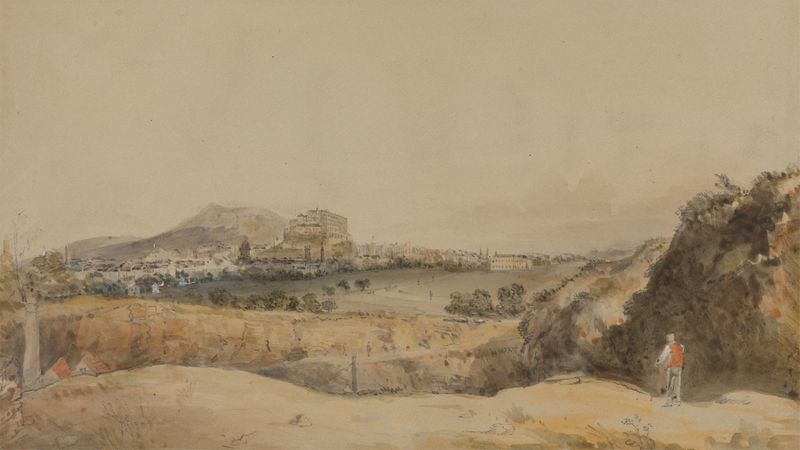
A View of Edinburgh
Alexander Nasmyth
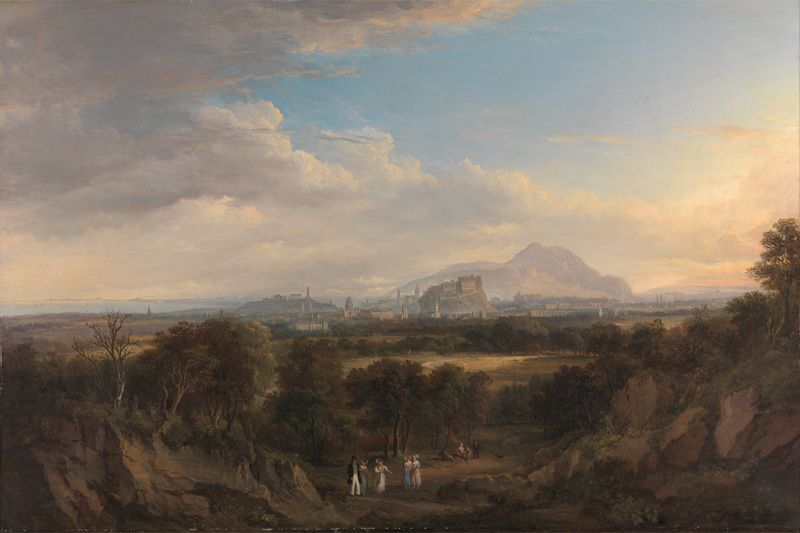
A View of Edinburgh from the West
Alexander Nasmyth

Hawthornden Castle, near Edinburgh
Alexander Nasmyth
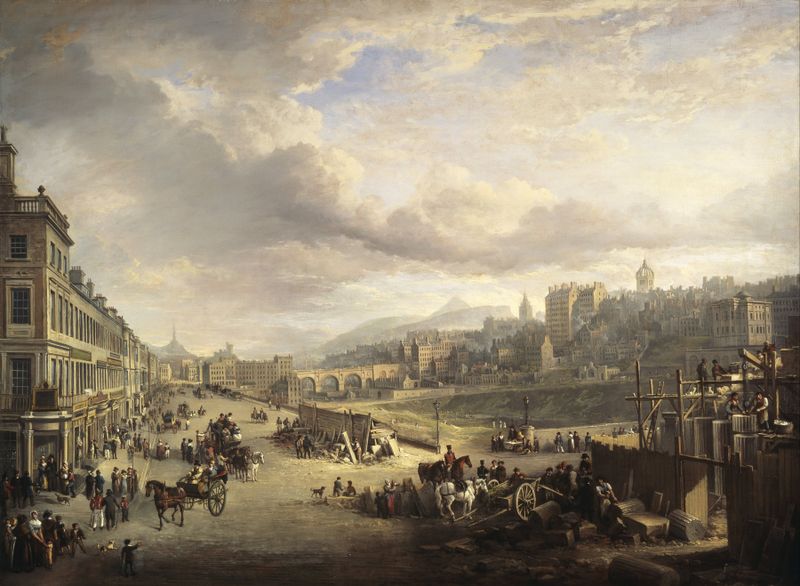
Princes Street with the Commencement of the Building of the Royal Institution
Alexander Nasmyth





