
St. Marks Altar, Venice — History & Facts
Can beauty exist without sorrow? In St. Marks Altar, a complex interplay of light and shadow reveals both the grandeur of faith and the quiet echoes of longing nestled within its sumptuous architecture. As you gaze upon the altar, you cannot help but wonder about the multitudes who have sought solace within these sacred walls. Look to the center of the painting first, where the intricate altar is adorned with golden embellishments and vivid colors that seem to shimmer even in the stillness of the canvas.
Notice how the light cascades from above, illuminating the figures that surround it, their expressions caught between reverence and contemplation. The artist's masterful use of chiaroscuro creates a striking contrast, drawing the eye into the depth of the scene and inviting the viewer to explore the sacred details that define this hallowed space. At its core, the painting captures the duality of religious devotion and the human experience. The vibrant colors symbolize hope and divine presence, while the shadows whisper tales of weariness and reflection.
Each figure’s pose adds a layer of narrative: some are kneeling in prayer, while others stand in quiet observation, embodying a moment where faith and fragility intertwine seamlessly. During the time St. Marks Altar was conceived, the artist was immersed in the rich cultural landscape of America’s burgeoning appreciation for religious art. Kellogg, painting in the midst of the mid-19th century, sought to capture the essence of sacred spaces, reflecting a deep respect for tradition amidst a country grappling with its identity and beliefs.
His work resonates with the collective search for meaning during a transformative period in art history.
More Artworks by Miner Kilbourne Kellogg
Browse all →
General Andrew Jackson
Miner Kilbourne Kellogg
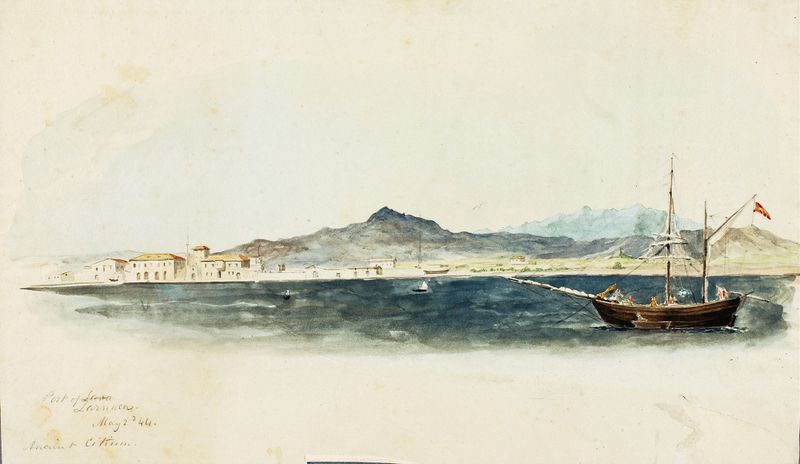
Port of Larnaca
Miner Kilbourne Kellogg
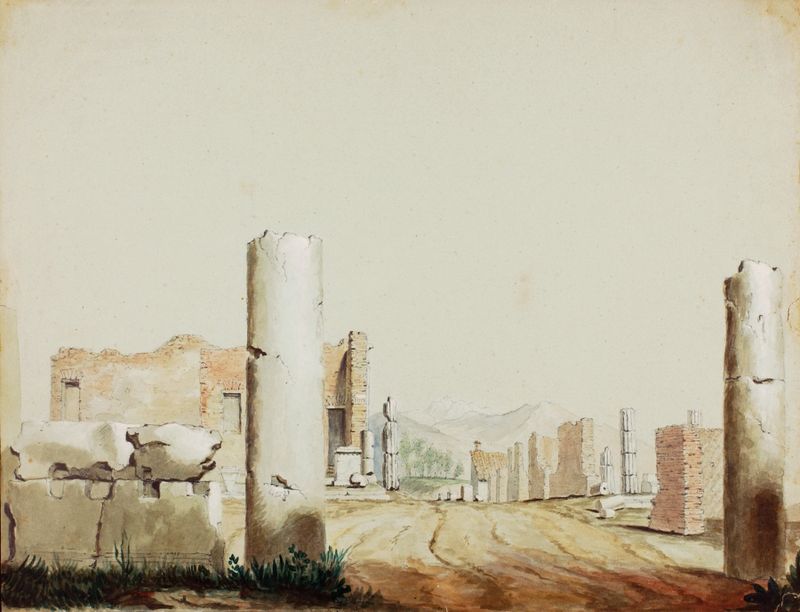
Pompeii, Italy
Miner Kilbourne Kellogg
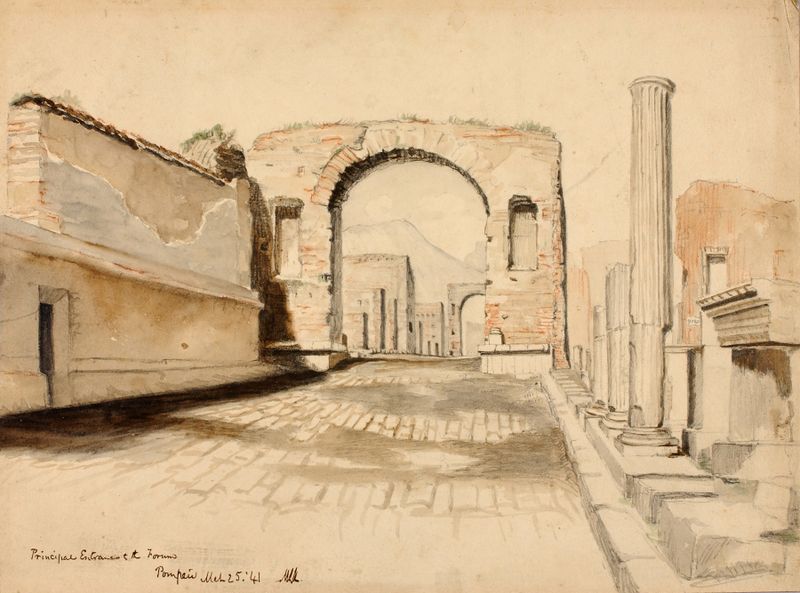
Principal Entrance To The Forum, Pompeii
Miner Kilbourne Kellogg

Tomb of Virgil, Naples
Miner Kilbourne Kellogg

Ancient And Modern Egypt
Miner Kilbourne Kellogg

Adalia, Asia Minor
Miner Kilbourne Kellogg

Fire Island Lighthouse
Miner Kilbourne Kellogg

Saltwood Castle
Miner Kilbourne Kellogg

Glacier And Falls
Miner Kilbourne Kellogg
More Religious Art
Browse all →
The Return of the Prodigal Son
Rembrandt van Rijn

The Garden of Earthly Delights
El Bosco

Count Orgaz’ funeral
El Greco

The Hundred Guilder Print: the central piece with Christ preaching, the plate arched
Rembrandt van Rijn

The Descent from the Cross
Rogier van der Weyden

The return of the prodigal son
Rembrandt van Rijn