St. Pauls From The River — History & Facts
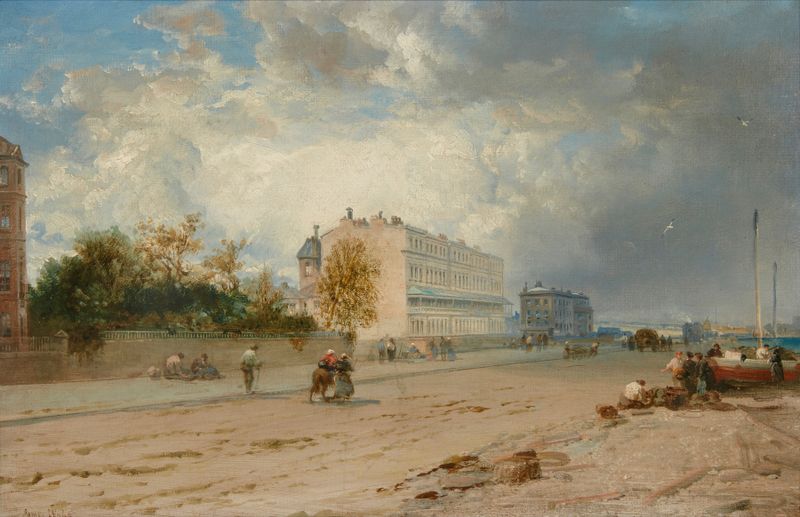
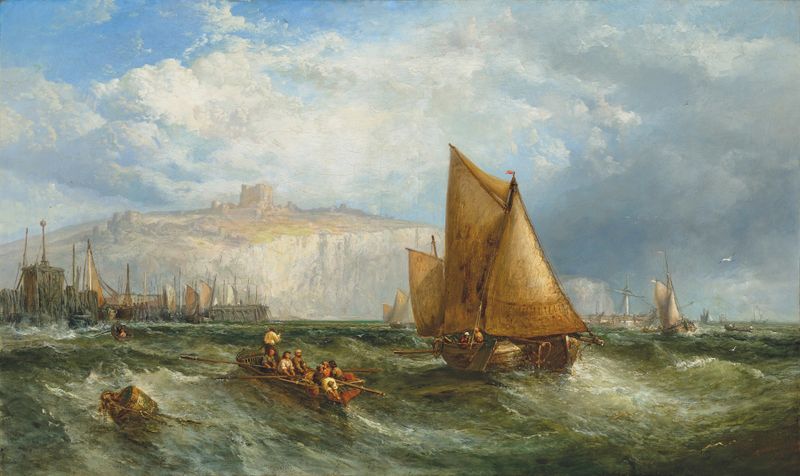
In St. Pauls From The River, the weight of time hangs palpably in the air, echoing the melancholy of moments passed. The river flows silently, carrying with it the stories of lives intertwined with the great dome that rises majestically in the background. Look to the center, where the luminous dome of St.
Paul’s Cathedral captures your gaze, rising like a sentinel against the dusky sky. Notice how the artist employs a muted palette, blending soft blues and grays that evoke a sense of nostalgia. The gentle ripples of the river mirror the structure, creating a delicate harmony between nature and man-made splendor.
Each stroke reveals the artist's meticulous attention to the interplay between light and shadow, inviting viewers into a contemplative dialogue with the scene. The painting speaks to contrasts—the stillness of the water against the city’s enduring presence, the warmth of the fading sunlight juxtaposed with the encroaching dusk. Webb captures the essence of a fleeting moment, suggesting a deeper reflection on the passage of time and the impermanence of life. The small boats dotting the river hint at human activity, yet they are dwarfed by the towering cathedral, emphasizing both the grandeur of architecture and the humility of existence. In 1885, during a period of profound change and industrial advancement in England, Webb painted this piece amidst a growing fascination with urban landscapes.
His work emerged as part of a broader movement that celebrated the beauty of cityscapes while also grappling with the emotional complexities of modern life. The canvas stands as a testament to his skill and sensitivity during a transformative era in art and society.