St Petersburg — History & Facts
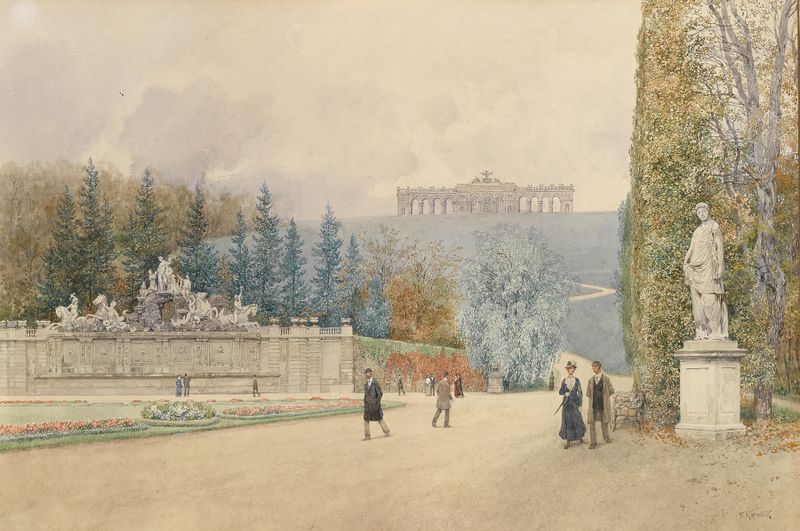
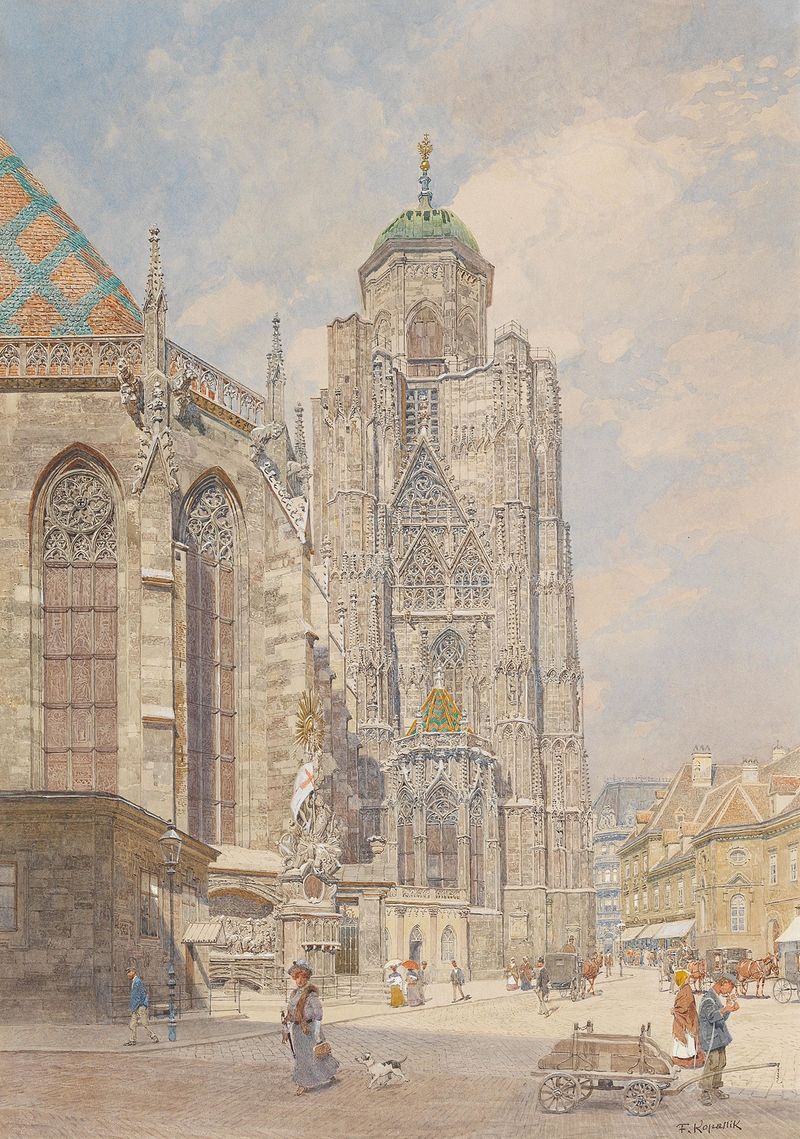
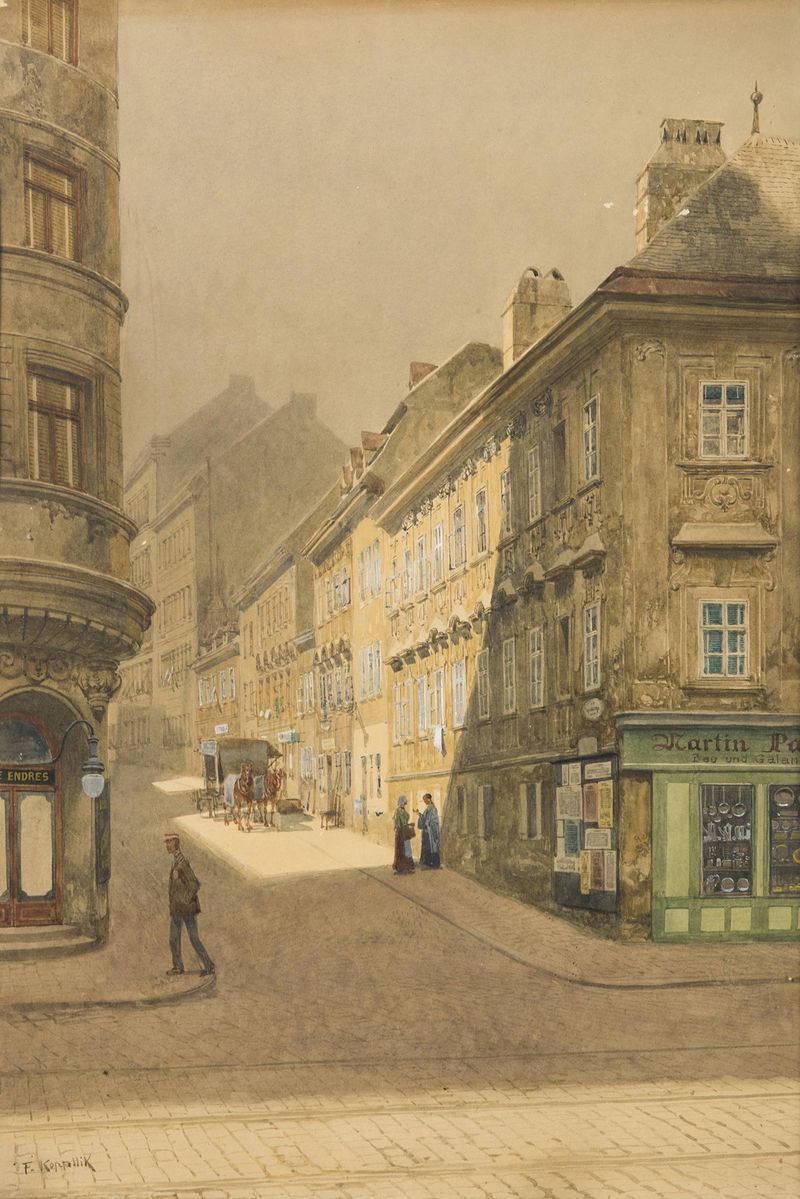
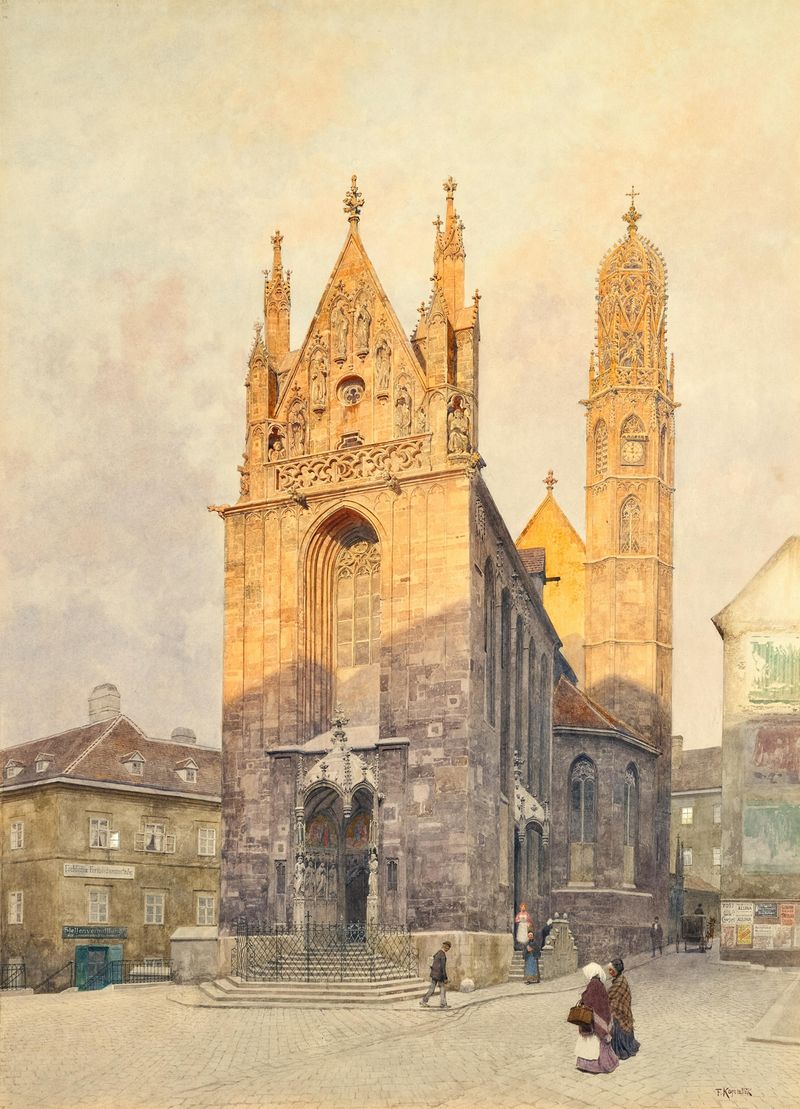
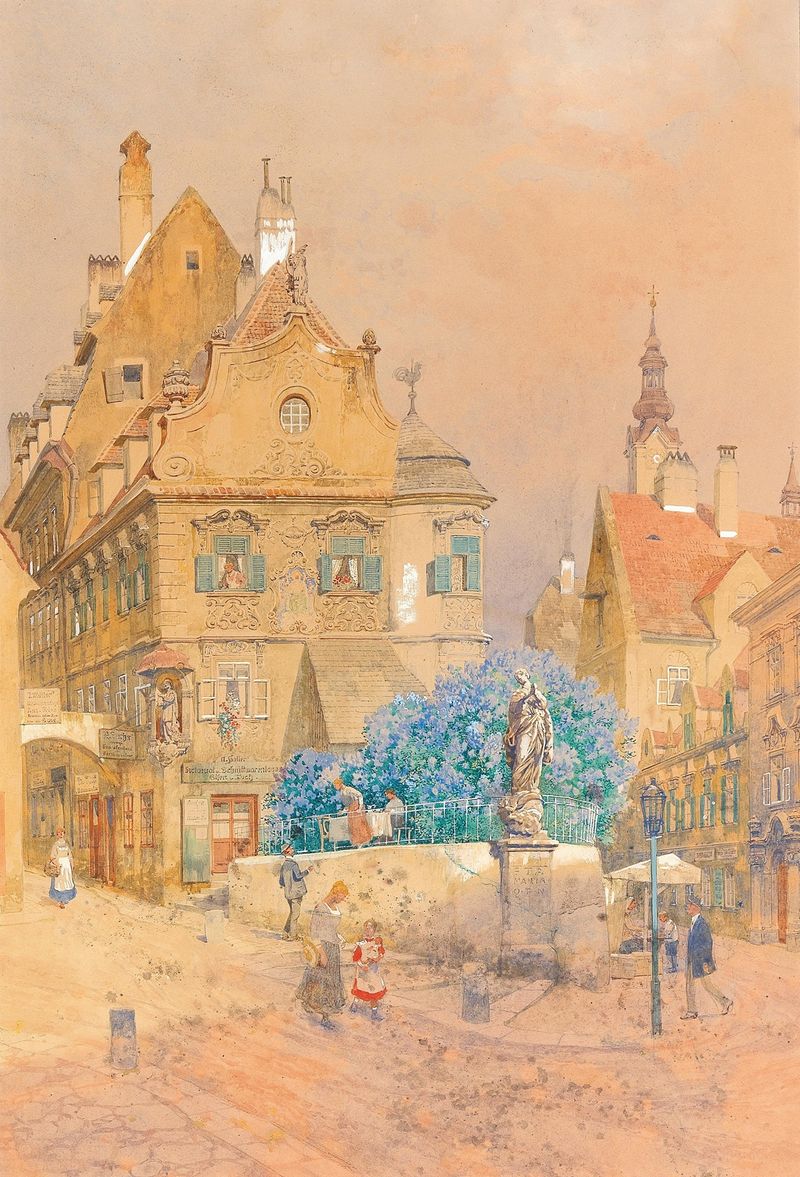
This duality is what makes art a mirror to our souls, whispering secrets beneath its surface. In St Petersburg, the vibrant hues conceal a deeper narrative, waiting to be unraveled by those willing to look closer. Focus first on the dynamic interplay of colors in the foreground, where luminous yellows and deep, emotive blues merge seamlessly. Notice how the composition draws the eye toward the horizon, where the sky blushes with gentle pastels, hinting at a dramatic sunset.
The meticulous brushwork creates a sense of movement, evoking the bustling life of the city captured in a fleeting moment. Each stroke feels deliberate, inviting the viewer to contemplate the juxtaposition between the tranquility of the scene and the underlying currents of life. Delve deeper, and you will find the contrasts that lend complexity to the piece. The serene reflections on the water suggest stillness, yet the undercurrents speak of turmoil and change.
Architectural elements rise proudly, yet they are shrouded in shadows, revealing the tension between glory and decay. The golden light emulates a sense of revelation, illuminating both the beauty and the fragility of existence in this storied city. Franz Kopallik painted this work during a period of significant change in the art world, likely at the turn of the 20th century when he was influenced by the emerging movements of Impressionism. Living in a city rich in history and culture, he sought to capture the essence of St.
Petersburg, blending vibrant colors and evocative forms to convey not just a place, but the very spirit of its people and their stories.