
Staande man met tas van opzij — History & Facts
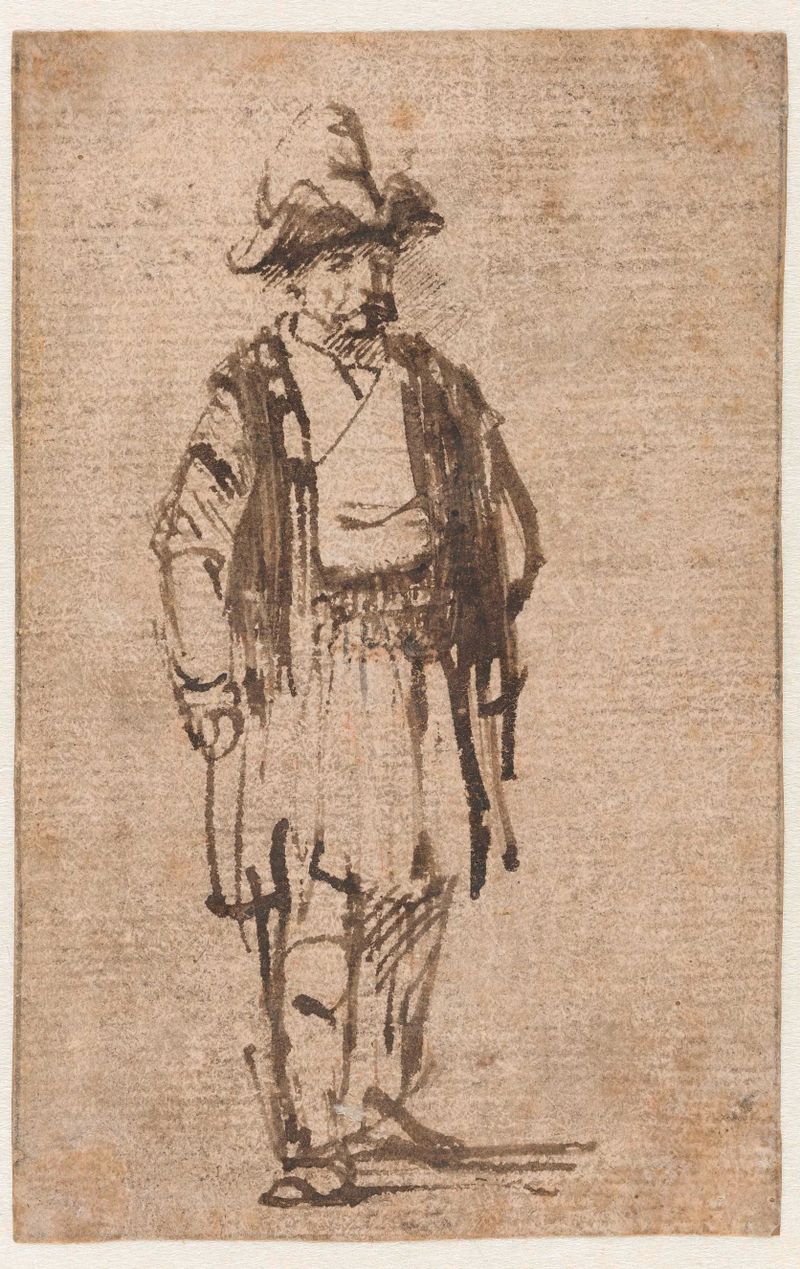
In Staande man met tas van opzij, a quiet moment of poised balance invites the viewer to ponder the nature of presence and absence, of what is seen and what remains unsaid. Look to the left at the elegantly draped cloak of the figure, where the folds cascade gracefully down, illuminating the meticulous brushwork that captures the weight of fabric. Notice how the muted palette of browns and golds coalesces in the background, providing a gentle contrast to the subject’s rich attire. This careful composition draws the eye toward the figure's face, marked by an expression of serene contemplation, framed by the subtle play of light across his features. The tension lies in the man's stance — solid yet relaxed, as if caught between action and repose.
The bag by his side, a mere accessory, symbolizes both a burden and a tool of transition, hinting at stories untold. Perhaps it captures a fleeting moment of reflection, where the viewer can sense the duality of readiness and hesitation, mirroring our own struggles for balance in the chaotic rhythm of life. In the mid-17th century, during the height of Dutch Golden Age painting, Drost worked in an era that celebrated realism and intimate portraits. Believed to be painted between 1640 and 1660, this piece reflects the artist's exploration of character and emotion, amid the backdrop of a society increasingly valuing personal identity and expression in art.
Drost’s work stands as a testament to the human experience, captured in a singular moment of poised equilibrium.
More Artworks by Willem Drost
Browse all →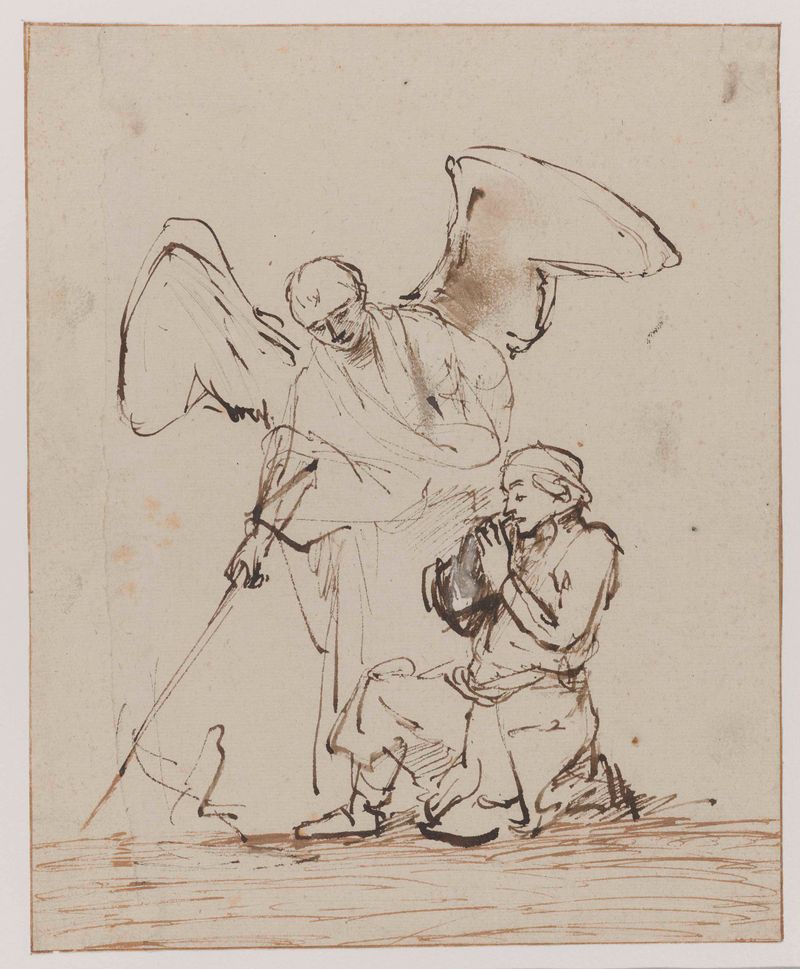

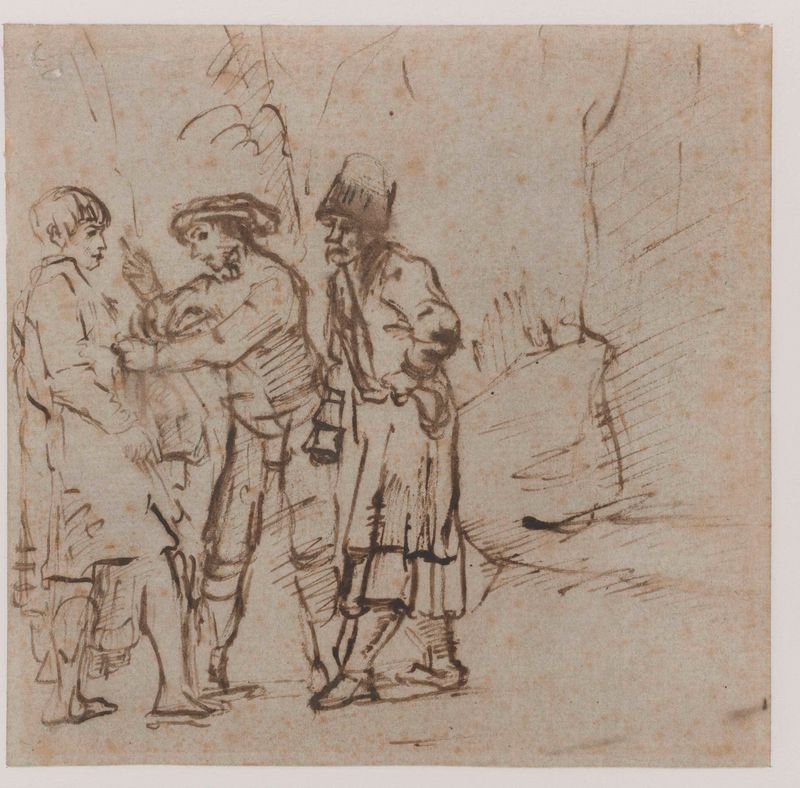
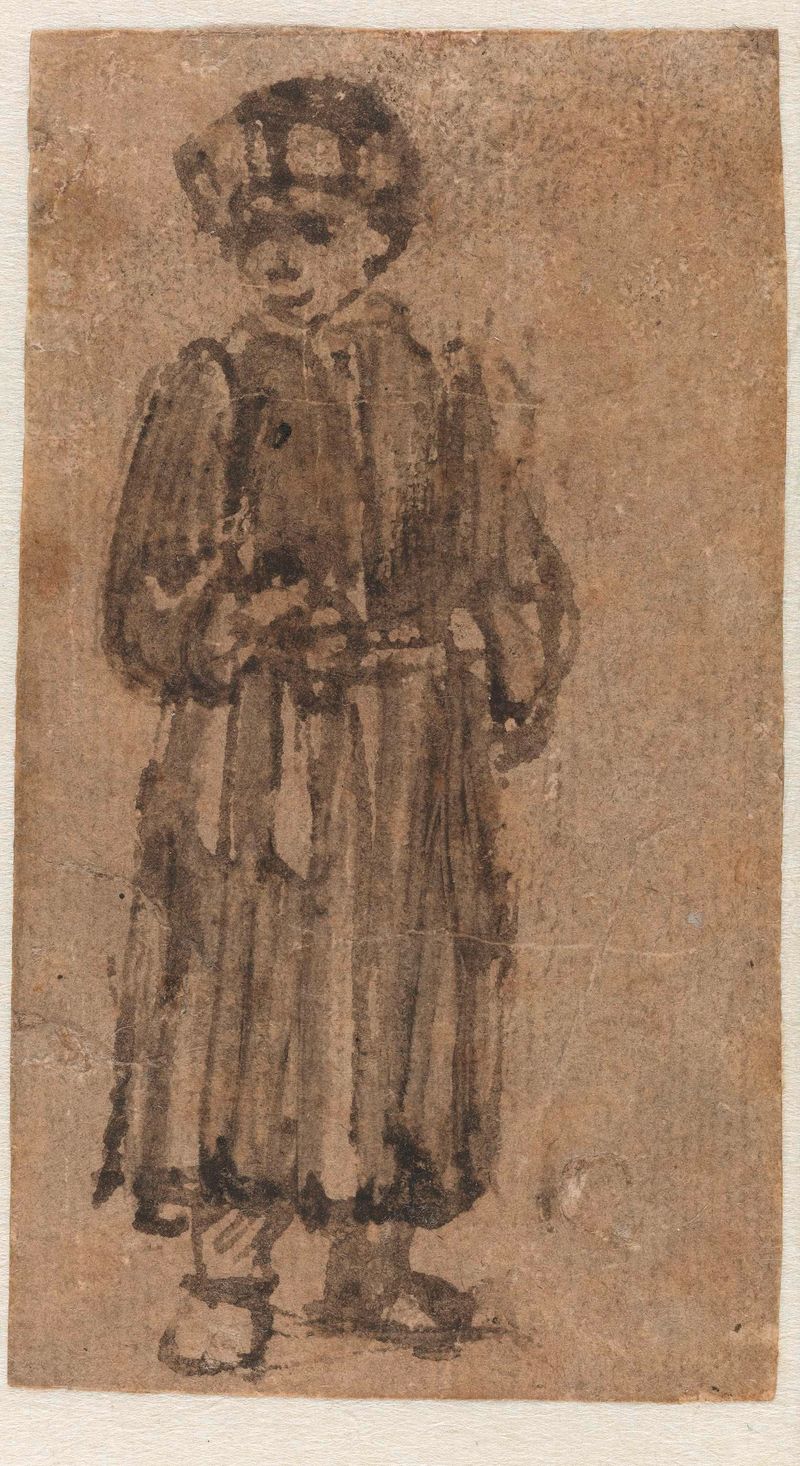

More Portrait Art
Browse all →
Las meninas
Diego Velázquez

Self-portrait with a Bandaged Ear and Pipe
Unidentified artist

Girl with a Pearl Earring
Johannes Vermeer

The Sampling Officials of the Amsterdam Drapers’ Guild, Known as ‘The Syndics’
Rembrandt van Rijn

The Hundred Guilder Print: the man seen on the back in the lower left corner
Rembrandt van Rijn

Portrait of Dr Gachet
Vincent van Gogh